







Geopolitical Strategy
During his presidency, Donald Trump reportedly revisited a long-held ambition of the United States: acquiring Greenland. The former president believed
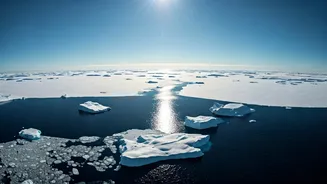
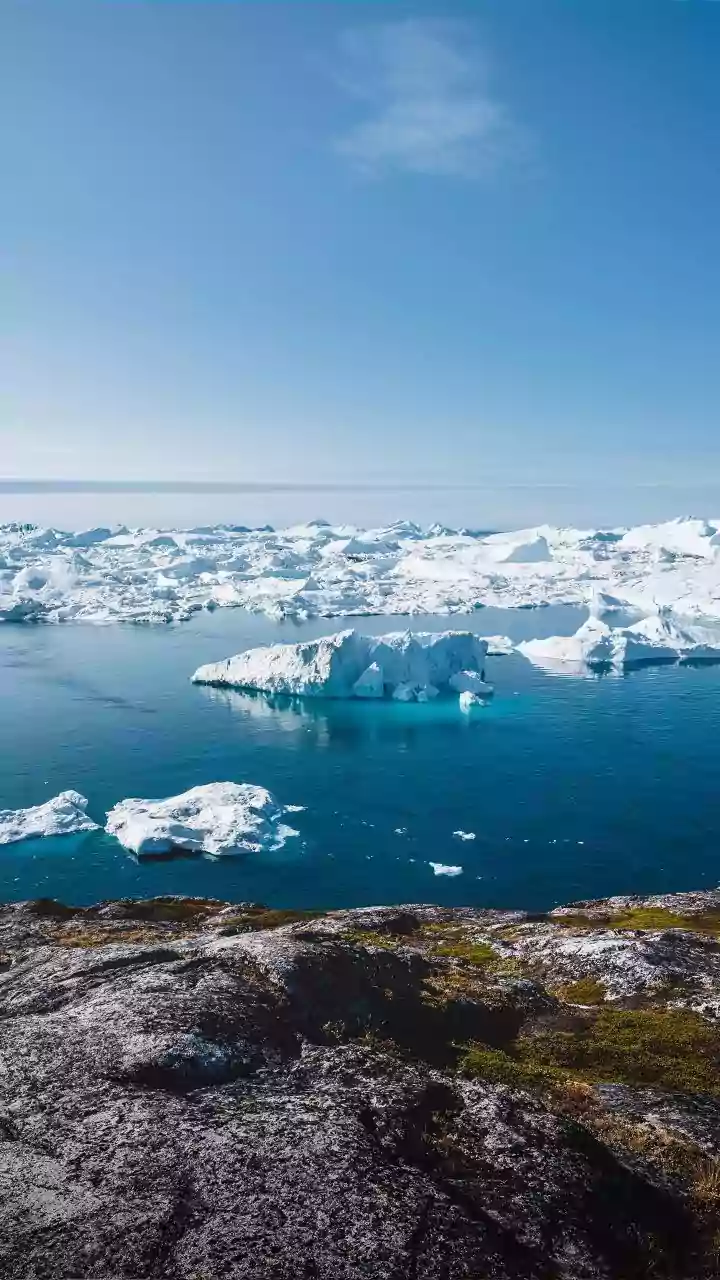
that buying the large island would be a good strategy. Trump emphasized that Greenland’s strategic location and significance were critical to national security. The rationale behind his desire to buy Greenland stemmed from a broader geopolitical view, particularly the increasing importance of the Arctic region due to climate change and the opening up of new shipping routes. The United States saw Greenland as crucial to maintaining its strategic position in the North Atlantic. Greenland, a self-governing territory within the Kingdom of Denmark, has a rich history tied to its strategic location. The potential purchase of the island would have provided the United States with substantial strategic leverage in a region becoming increasingly important for international relations.
National Security Concerns
Trump’s proposal to acquire Greenland was justified by the need for enhanced national security. He considered the island critical for defending the United States, given its geographical position. Greenland's location offered an advantage for monitoring activities in the Arctic and North Atlantic, areas that are seeing a rise in strategic competition. The former president emphasized the potential for the presence of military bases and enhanced surveillance capabilities. The Arctic's melting ice has also made the area more accessible, boosting its strategic significance. The acquisition of Greenland would, according to Trump, allow for the US to have a stronger presence in an area that is becoming increasingly relevant for global security concerns. It would give the United States a vital position in protecting its interests and monitoring potential threats. The initiative was a reflection of the view that a stronger presence in Greenland was essential for national defense.
Danish Rejection
The Danish government quickly rejected Trump’s initial proposal. They found the idea absurd and a sign of disrespect. The Prime Minister of Denmark, Mette Frederiksen, stated that Greenland was not for sale and that the matter was not up for discussion. The reaction from Denmark underscored the strong sentiment against any suggestion of selling the territory. The country's strong commitment to Greenland's self-governance and its relationship with the United States were also important factors. The Danish response made it clear that they would firmly defend the island's sovereignty. The rejection served as a reminder of the sensitive nature of the geopolitical situation and the importance of respecting national sovereignty and international law. Despite the rejection, the United States' interest in Greenland illustrated the island's strategic importance.
Strategic Implications
The US's renewed interest in Greenland has various strategic implications, going beyond the mere prospect of acquisition. The interest highlighted the importance of the Arctic in future strategic planning. Greenland’s vast mineral resources and the potential for new shipping routes because of melting ice are attractive prospects for global powers. The increased focus on the Arctic has led to a shift in how countries like the United States view Greenland. This has also intensified the strategic competition in the region, with countries like Russia and China also showing growing interest. The US's desire to purchase Greenland underlined its commitment to maintaining its geopolitical influence and protecting its national security interests in a changing global landscape. The renewed focus signals a long-term plan to ensure control and influence in a pivotal region.