







Biryani's Bare Hands Delight
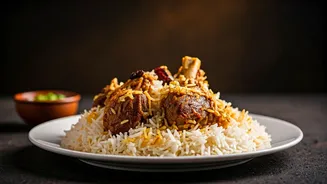
The recent instance of the Japanese Ambassador relishing biryani with his bare hands serves as a fresh example of international leaders embracing Indian
culinary practices. This gesture not only highlights the ambassador's appreciation for Indian food but also underlines the communal and informal nature of enjoying a meal. It speaks volumes about the dish's appeal and the comfort it provides, transcending cultural boundaries and diplomatic protocols. The ambassador's enjoyment of biryani in this manner becomes a symbolic act of cultural exchange, promoting a sense of camaraderie and warmth between the two nations and showcasing the power of food to foster human connection.
Global Leaders' Indian Feast
Beyond the recent ambassadorial delight, several global leaders have openly expressed their admiration for Indian food. This widespread appreciation reflects the increasing global popularity and acceptance of Indian cuisine. One such example might include visits to Indian restaurants during official trips, which often become public affairs, showcasing the leader's interest in the local culture. Others include leaders requesting certain Indian dishes during their visits or highlighting their enjoyment of Indian food during public speeches or social media posts. The popularity of these leaders' endorsements underscores Indian food's ability to transcend cultural divides and become a favorite of people globally, reflecting the dish's popularity and cultural impact.
Cultural Diplomacy on Plate
These instances are more than just about a meal. They represent cultural diplomacy, demonstrating a respect for and an embrace of Indian customs. When global leaders choose to partake in Indian food, they demonstrate an openness to Indian culture, establishing a friendly atmosphere. This can lead to deeper understanding and cooperation. Such actions can inspire tourism and business opportunities. International leaders choosing Indian cuisine can strengthen relationships between India and their respective nations, showing a willingness to engage on a cultural level and building a foundation for greater collaboration in other areas, such as trade and diplomacy. This cultural exchange ultimately works to foster a more globally connected and understanding world.
Indian Dishes Globally Coveted
The recognition of Indian dishes goes beyond simple enjoyment; it is a testament to their culinary excellence. Various Indian dishes frequently make appearances on 'best food' lists around the world. These accolades enhance the global standing of Indian food. Indian cuisine's diversity plays a significant role in its widespread attraction. From the spicy curries of the south to the tandoori delights of the north, Indian food is able to appeal to diverse tastes. These dishes' versatility, adapting well to different ingredients and culinary styles, ensures their enduring appeal. The inclusion of Indian food in these rankings highlights the nation's culinary achievements, fostering pride among Indian chefs and food lovers worldwide while boosting tourism and cultural recognition.
Impact of Food Tourism
The enthusiasm for Indian food has a significant impact on food tourism. With its growing popularity, many travelers are drawn to India to explore the origin of these flavors. Food tourism is increasingly vital to India's tourism sector. People are now eager to immerse themselves in unique culinary experiences. Tourists from all over the world travel to India, seeking authentic dining experiences and hands-on cooking classes. This surge in food tourism provides benefits for local economies. It creates job possibilities for chefs, food vendors, and hospitality workers. Furthermore, food tourism promotes cultural understanding and a greater appreciation for India's diverse traditions. This economic and cultural exchange creates a positive impact.