





Artemis II Mission Overview
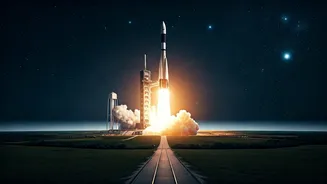
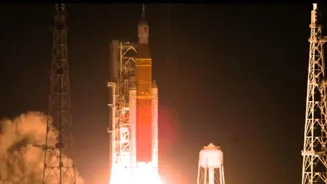
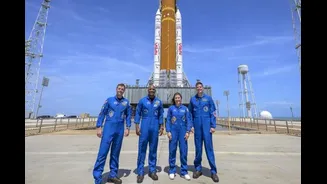
Artemis II marks a significant milestone as NASA's inaugural crewed mission aiming for lunar proximity since 1972. Scheduled for launch no earlier than
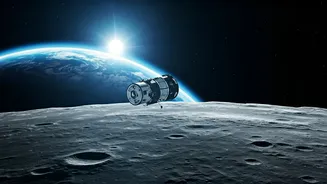
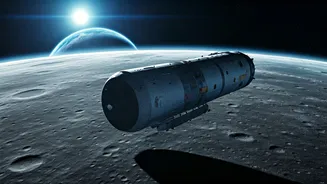
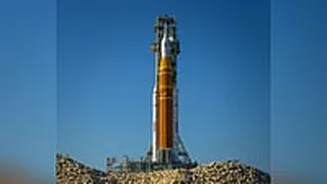
April 1, 2026, this 10-day expedition is a vital flight validation for the Space Launch System (SLS) rocket and the Orion spacecraft. Its primary objective is to rigorously test the Orion's life-support and communication systems, ensuring their readiness for future lunar landing endeavors. The mission will carry four astronauts into deep space, gathering crucial data on spacecraft performance and human endurance beyond Earth's orbit. This preparatory phase is fundamental to NASA's broader Artemis program, which seeks to re-establish a human presence on the Moon and extend our reach further into the solar system.
The Artemis II Menu
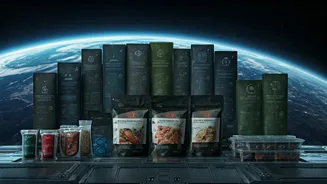
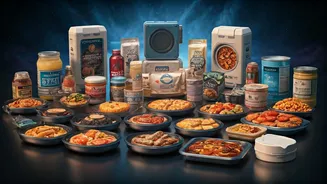
The four astronauts embarking on the 10-day Artemis II mission will have a diverse array of 189 shelf-stable food and beverage items to choose from, a significant upgrade from traditional space food. This extensive menu, carefully selected with astronaut input during preflight testing, aims to cater to both nutritional requirements and psychological well-being. Featured main entrees include dishes like barbecued beef brisket, macaroni and cheese, and cashew chicken curry. Accompanying these are sides and snacks such as spicy green beans, broccoli au gratin, and mango salad, alongside various nuts and granola. For dessert lovers, the options range from chocolate pudding cake to maple cream cookies and candy-coated almonds. Recognizing the mission's international aspect, particularly with Canadian astronaut Jeremy Hansen aboard, the menu also incorporates cultural treats like maple syrup and biscuits, adding a familiar comfort to their long journey.
Space Flavor Science
In the unique environment of space, microgravity significantly alters an astronaut's sense of taste. Body fluids shift towards the head, causing nasal congestion and a dulling of flavor perception, often likened to experiencing a constant head cold. To combat this, NASA intentionally incorporates bold and spicy flavors into the Artemis II menu. The inclusion of five different hot sauces, alongside condiments like spicy mustard and chocolate spread, helps to stimulate the astronauts' muted taste buds. This scientific approach ensures that meals remain enjoyable and appetizing throughout the 10-day mission, addressing both nutritional needs and the crucial psychological aspect of experiencing familiar and pleasant tastes, even when they are perceived differently.
Hazardous Foods in Space
Certain everyday food items pose significant risks in the microgravity environment of space, necessitating strict NASA regulations. The most prominent hazard is crumbs and dust from items like bread and crackers, which do not fall but float freely, posing a threat to sensitive electronics and astronaut airways. This is why tortillas are used instead of bread, being engineered to minimize crumb production. Free-flowing seasonings like salt and pepper are also problematic; astronauts use liquid versions instead to prevent irritation. Carbonated beverages are avoided due to the discomfort of 'wet burping.' Fine powders like flour or sugar can be explosive or clog life-support systems, and alcohol is prohibited due to safety concerns and its potential to disrupt water recycling systems. Even strong odors, like those from fish or onions, are limited to maintain a pleasant cabin atmosphere and prevent microbial spread.
Food Preparation & Hydration
Space missions like Artemis II involve carefully controlled food preparation methods. Food items are primarily freeze-dried, thermostabilised, or irradiated to ensure they are shelf-stable for the duration of the 10-day mission, as the Orion spacecraft lacks refrigeration. Astronauts will rehydrate most of their meals using the spacecraft's potable water dispenser, transforming freeze-dried components into ready-to-eat dishes. For thermostabilised meals, a compact, briefcase-style food warmer is utilized to heat them. Beverages are also managed carefully, with each astronaut allocated two flavored drinks per day from a selection of over 10 options, including coffee, tea, and smoothies. This systematic approach to food preparation and consumption is critical for astronaut health, morale, and mission success, minimizing waste and potential hazards.