
Water: The Essential
Finding and securing a water source is paramount for survival. Dehydration can quickly debilitate and lead to fatal consequences, so identifying and accessing
drinkable water should be a top priority. Grylls advocates for learning diverse techniques such as collecting rainwater, which is pure and readily available. Another important technique involves finding water sources underground, as the soil can act as a natural filter, but one must be certain it is not contaminated. Furthermore, water purification methods are crucial. Boiling water for a few minutes is the most common and effective method to eliminate harmful pathogens and ensure safe consumption. It's imperative to always carry some means of water purification or collection, as water is life and should be treated with the utmost respect and care in any survival situation. Every survival guide places water acquisition and purification at the top because it's the foundation of well-being.
Shelter: Your Sanctuary
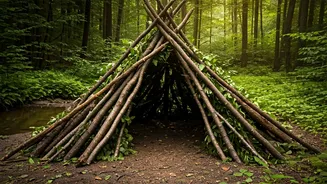
Constructing a secure shelter is another critical factor in enduring a survival situation. A shelter offers protection from the elements, including extreme temperatures, wind, and precipitation. Grylls emphasizes that a shelter doesn't need to be elaborate; even a basic structure can make a significant difference in survival. The key is to protect oneself from the environment by constructing a simple lean-to against a natural barrier like a fallen tree or a rock face. A shelter can be created from natural resources, like branches, leaves, and mud. Another essential is insulation; adding layers of foliage and debris can trap body heat and provide added warmth during cold nights. The location is important as well, selecting a spot protected from the wind and away from potential hazards, like unstable trees or flood zones. With a shelter, it will allow an individual to focus on other needs like food and signaling.
Fire: The Life-Giver
Fire serves multiple crucial functions in survival scenarios: warmth, light, cooking, and signaling. Grylls stresses the importance of mastering fire-starting techniques, even in the most challenging conditions. The ability to create a fire can significantly increase the chances of survival and boost morale. Starting a fire involves gathering the right materials: tinder (dry, easily combustible material), kindling (small twigs and branches to ignite the tinder), and fuel (larger pieces of wood to sustain the flame). Traditional methods, such as friction-based techniques, can be used. Furthermore, having a lighter or waterproof matches is highly recommended as a reliable fire-starting tool. Safety is paramount, ensuring the fire is contained and away from flammable materials. Fire's benefits extend beyond physical comfort; it also acts as a psychological lifeline, offering a sense of hope and control in a crisis.
Food: Sustaining Life
Sourcing food is crucial for long-term survival. The primary goal is to avoid starvation and maintain energy levels. Grylls advises on several methods of finding food, including identifying edible plants, trapping small animals, and fishing. Recognizing edible plants can be challenging, so caution is essential. It's better to avoid eating any unknown plant without expert knowledge. Trapping small animals or setting up snares can provide a source of protein. Fishing, if possible, is another effective option, utilizing simple tools such as sharpened sticks or improvised fishing lines. Conservation is critical; one should consume the food wisely to extend its availability. A balanced diet and sufficient calories are crucial to maintain physical and mental strength during a survival situation. Focusing on efficient food collection and preparation is vital for maximizing caloric intake while minimizing energy expenditure.
Signaling: Calling for Help
Effective signaling is key for rescue in a survival scenario. If an individual becomes stranded, alerting rescuers is critical. Grylls highlights that the primary techniques include visual and auditory signals. Visual signals can be created using a signal mirror, which reflects sunlight to attract attention. Additionally, creating large ground signals, such as the universal distress signal SOS (three dots, three dashes, three dots), can be effective from the air. Auditory signals, such as a whistle or a signal fire, are also important. Whistles are particularly useful because they can carry a long distance. Signal fires generate smoke during the day and flames at night, making them visible to search teams. One should focus on being consistent with signaling, repeating the effort at regular intervals to maximize the chances of detection. Moreover, being prepared for rescue involves staying put in an area of high visibility and keeping a positive mindset, as hope and vigilance significantly increase the possibility of a successful rescue.