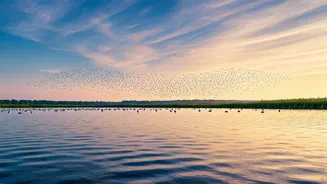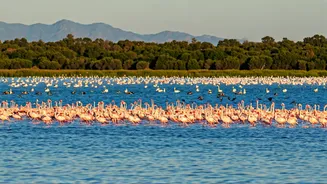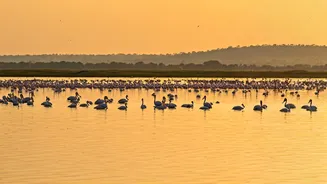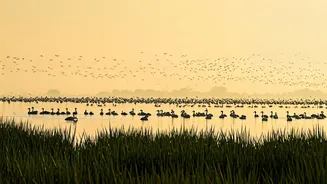







Introduction to Wetlands
Wetlands are extraordinary ecosystems that seamlessly bridge the gap between land and water environments. They encompass a vast array of habitats, including
swamps, marshes, bogs, and mangroves. These areas are characterized by their unique hydrology, featuring shallow water levels that persist for significant periods, either seasonally or throughout the year. The presence of water fosters specialized vegetation and supports a remarkable diversity of wildlife. Wetlands function as nature's filters, purifying water, controlling floods, and offering essential habitats for countless species, which also have cultural and economic importance.
The Pantanal, Brazil
The Pantanal in Brazil stands as the world's largest tropical wetland, a sprawling mosaic of interconnected rivers, lagoons, and flooded grasslands. It's a biodiversity hotspot, home to an extraordinary array of wildlife, including jaguars, caimans, capybaras, and a dazzling assortment of bird species. The Pantanal’s seasonal flooding and draining create a dynamic environment. These cycles regulate the ecosystem and sustain the area's rich biodiversity. This natural marvel is not only a haven for wildlife but also a vital part of the ecological balance, offering significant environmental benefits, including carbon sequestration.
Sundarbans, India/Bangladesh
The Sundarbans, a UNESCO World Heritage site, is a vast mangrove forest shared by India and Bangladesh. Known for its unique ecosystem, this area is a network of waterways and islands formed by the Ganges, Brahmaputra, and Meghna rivers. The Sundarbans is the world's largest mangrove forest and is home to the majestic Bengal tiger, along with a variety of other species adapted to its harsh, saltwater environment. The Sundarbans acts as a natural barrier against storms and cyclones, protecting coastal communities. It offers a crucial breeding ground for fish and other aquatic life, underscoring its importance to both the environment and the local economy.
Okavango Delta, Botswana
The Okavango Delta in Botswana is an inland river delta that transforms a desert landscape into a lush paradise. The Okavango River, instead of reaching the sea, spreads out to create a maze of lagoons, channels, and islands, supporting a great diversity of wildlife, including elephants, lions, and countless bird species. The annual flooding of the delta drives a migration of animals, offering a spectacular wildlife viewing experience. This unique ecosystem, is a testament to nature's adaptability and an essential sanctuary for biodiversity. Its distinct features make it a significant natural wonder.
Everglades, USA
The Everglades in Florida, USA, is a unique subtropical wetland, often called the 'River of Grass.' This expansive ecosystem is characterized by slow-moving, shallow water that supports a diversity of life. It’s home to alligators, crocodiles, wading birds, and a variety of other species. The Everglades provides essential habitats and water filtration, playing a critical role in the regional ecosystem. Efforts to restore the Everglades are ongoing, highlighting the importance of conserving this unique wetland, which faces environmental challenges while serving as a vital natural resource for both wildlife and people.
Amazon Basin, South America
The Amazon Basin, encompassing the Amazon River and its tributaries, is home to the world's largest rainforest and one of the most biodiverse wetland ecosystems on Earth. The vast network of rivers and wetlands supports an exceptional diversity of plant and animal life, including a variety of fish, reptiles, mammals, and birds. The Amazon wetlands are vital for climate regulation, storing massive amounts of carbon. They also support local communities and indigenous cultures. The ecosystem faces ongoing threats from deforestation and other forms of human activity. This emphasizes the need for conservation to protect its significant biodiversity and climate benefits.
Tonle Sap Lake, Cambodia
Tonle Sap Lake in Cambodia is Southeast Asia's largest freshwater lake and an ecological marvel. The lake's size changes dramatically with the seasons, swelling during the monsoon season and shrinking in the dry months. This natural phenomenon supports a rich biodiversity, including various fish, birds, and other wildlife, and provides essential resources to local communities. The seasonal flooding creates a dynamic ecosystem, providing critical habitat for migrating birds and supporting the region’s fisheries. Tonle Sap is a unique wetland that embodies the interplay of water and life, making it a critical component of its ecosystem.
Caspian Sea Wetlands
The wetlands around the Caspian Sea, the world's largest inland body of water, encompass a diversity of habitats, including deltas, lagoons, and coastal marshes. These areas serve as a crucial stopover for migrating birds and offer habitat for diverse wildlife, including the Caspian seal. The wetlands are vital for fisheries, and support local economies, playing a significant role in biodiversity conservation. The region faces challenges from pollution, climate change, and habitat loss, which underscores the need for conservation efforts to protect this important ecosystem and the species that depend on it.
Kakadu National Park, Australia
Kakadu National Park in Australia is a World Heritage site, showcasing a variety of wetland environments, including billabongs, floodplains, and coastal areas. This is a region of extraordinary beauty, housing a diversity of plant and animal life, including unique bird species. The wetlands play a role in traditional Aboriginal culture. They offer cultural heritage and environmental conservation. Kakadu illustrates how natural and human elements are connected, highlighting the need for ongoing conservation and management to preserve its unique environmental and cultural values.
Danube Delta, Romania/Ukraine
The Danube Delta, situated at the point where the Danube River flows into the Black Sea, is one of Europe's largest and best-preserved wetland ecosystems. It's a maze of channels, reed beds, and lagoons, providing habitats for a great variety of birds, fish, and other wildlife. The Danube Delta is a crucial stopover for migratory birds and supports a rich biodiversity. It’s also recognized for its ecological importance and is a UNESCO World Heritage site. Protecting the Danube Delta is key for biodiversity, including maintaining natural habitats and sustainable practices, thereby preserving its ecological and economic importance.