






A New Chapter
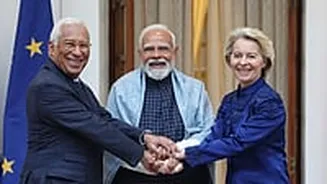
The culmination of negotiations between India and the European Union led to the signing of a Free Trade Agreement in New Delhi. This pivotal moment signifies
a strengthening of economic ties. It signals a collaborative effort to merge commercial interests with climate policy objectives. This is a monumental step towards fostering an environment of mutual benefit for both India and the EU member states. The agreement, finalized on January 27, underscores a commitment to fostering closer economic relationships. This event marks a significant evolution in international trade partnerships, particularly with its integration of climate considerations into its framework.
Boosting Key Industries
A notable benefit of the India-EU Trade Pact is the substantial impact it is projected to have on vital sectors of the Indian economy. Projections indicate a remarkable boost for India's pharmaceutical and MedTech industries. These two industries could experience a combined growth of $572 billion. This figure highlights the agreement's potential to drive substantial economic gains. This anticipated surge reflects a strategic alignment. This partnership promotes the expansion of trade opportunities within key areas. It also accelerates innovation and development within these crucial sectors. Such advancements promise to improve overall economic prosperity.
Climate Policy Integration
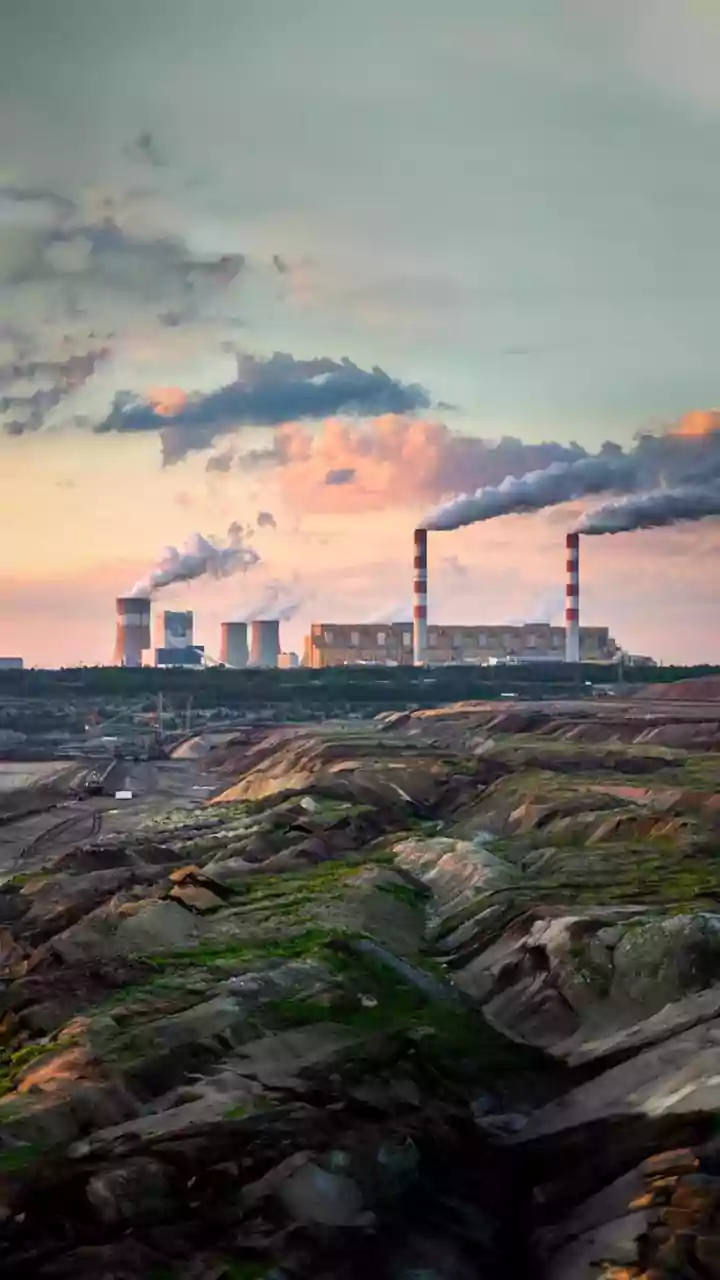
The India-EU Trade Pact distinguishes itself through its comprehensive approach. It successfully merges trade objectives with the imperative of climate policy. This commitment signals a progressive vision. It advocates for sustainable economic practices. This integration shows the alignment of commercial interests with environmental sustainability. It encourages eco-friendly methods and supports a collective shift towards a greener future. This fusion sets a precedent for future trade agreements. It underscores a determination to tackle the dual challenges of economic growth and ecological preservation simultaneously. This reflects a commitment to global sustainability.
Economic Impact Examined
The Free Trade Agreement holds great promise. It aims to generate a significant surge in economic growth. The pact is not only about numbers; it's about reshaping the fundamental strategies of economic development and creating stronger, more resilient trade frameworks. The pact seeks to cultivate closer economic ties. This approach is expected to lead to enhanced collaboration and opportunities. The collaborative framework established by this agreement will likely stimulate the exchange of goods and services. This in turn will foster an environment of growth. It is built to create a foundation for long-term economic stability and shared prosperity.
Future Implications
The trade agreement signed between India and the EU is poised to influence the global economic landscape. The successful collaboration signifies the start of a period marked by elevated levels of trade and strategic partnerships. This arrangement will potentially open additional pathways for growth and collaboration. It presents a model for future agreements, emphasizing the integration of economic and environmental aims. The agreement is a move towards a more interconnected and cooperative global economic framework. As the agreement unfolds, it will continue to reshape international trade relationships.