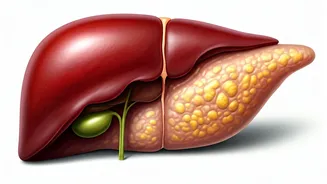

The Silent Threat
Fatty liver disease, a condition often overlooked, is quietly becoming a significant health concern. Its stealthy nature stems from the fact that many
individuals experience no noticeable symptoms. This lack of obvious indicators means that many people may be living with the condition without realizing it. Because of the absence of overt signs, fatty liver disease often goes undiagnosed until it progresses, potentially leading to more severe complications. The difficulty in detecting this condition early underscores the need for increased awareness and proactive health measures.
Who's Most Vulnerable?
Even if alcohol consumption isn't a factor, certain groups are at a higher risk of developing fatty liver disease. People with obesity, those with type 2 diabetes, and individuals with high cholesterol or high triglycerides are more susceptible. The presence of metabolic syndrome, a cluster of conditions including high blood pressure, high blood sugar, unhealthy cholesterol levels, and excess abdominal fat, also elevates the risk. Lifestyle and genetic factors can further influence susceptibility, making it important for those with these risk factors to be vigilant about their liver health.
Dietary Culprits Revealed
Specific dietary habits can silently exacerbate fatty liver disease. Consuming excessive amounts of processed foods, sugary drinks, and saturated fats is a major contributor. A diet high in refined carbohydrates, like white bread and pastries, can also worsen the condition. Consuming large portions, even of healthy foods, can put a strain on the liver. The impact of these dietary choices is gradual and often unnoticed, emphasizing the importance of making conscious food choices to support liver health and reduce the risk of fatty liver disease. Therefore, one must take a conscious effort and be mindful of what they consume.
Why It's Undetected
One of the key reasons why fatty liver disease often goes unnoticed is because many people experience no symptoms. When symptoms do appear, they can be vague and easily mistaken for other conditions, such as fatigue or mild abdominal discomfort. The lack of specific, easily identifiable symptoms means that individuals may not seek medical attention, and the disease can progress without intervention. Regular health check-ups and specific tests, such as liver function tests, are essential for early detection. However, these tests are not always routinely performed, further contributing to the likelihood of the disease remaining undiagnosed.
Detox Drinks: Helpful or Harmful?
The popularity of liver detox drinks and supplements has grown, but it's important to approach these with caution. While some products claim to cleanse the liver and improve its function, there's limited scientific evidence to support these claims. Some detox products may even contain ingredients that can be harmful to the liver, especially when taken in excessive amounts or without medical supervision. Before trying any liver detox product, it's wise to consult a healthcare professional. A balanced diet, regular exercise, and avoiding excessive alcohol are generally more effective in supporting liver health than unproven detox remedies.