






Davos Arrival & Stakes
Upon arriving in Davos, Switzerland, President Trump found himself amidst a palpable tension, largely stemming from his interest in acquiring Greenland.
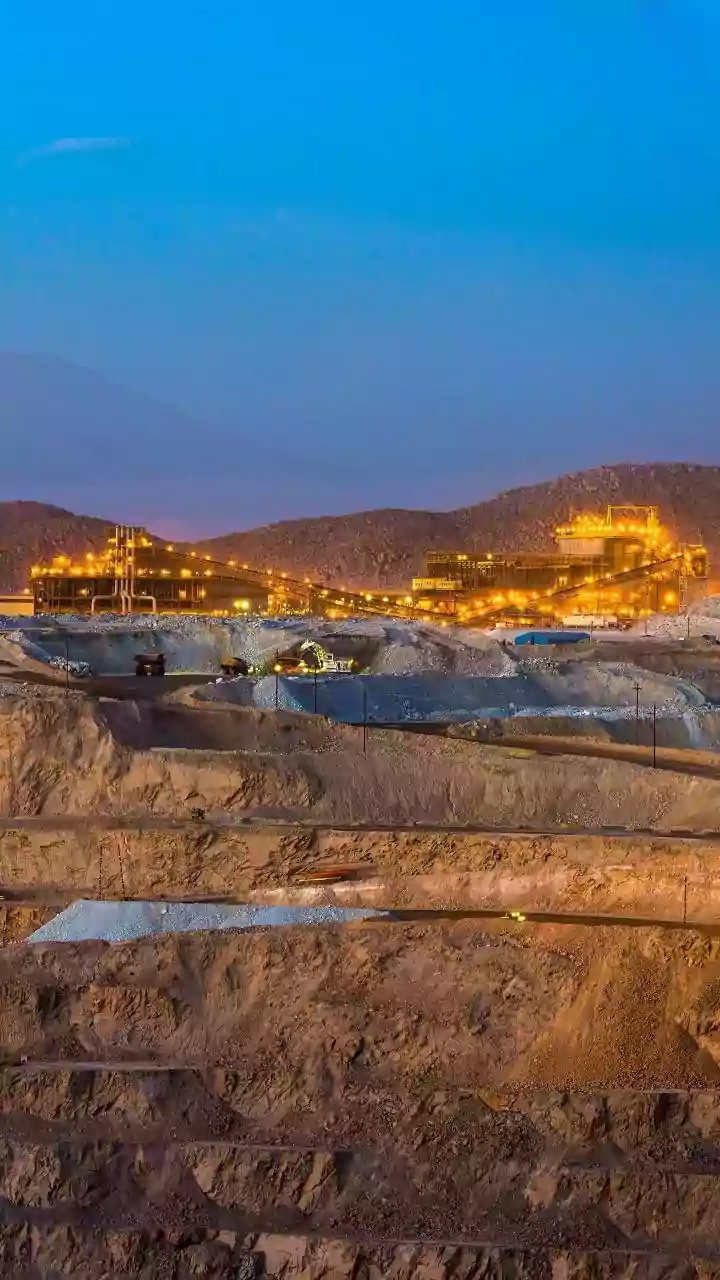
This interest, viewed by many as a potential acquisition, had sparked significant unease, especially among European leaders. The primary driving force behind Trump's focus on Greenland was the island's strategic significance, particularly in terms of its rich mineral deposits. Additionally, Greenland's geographical location provides a pivotal advantage for the US and NATO security strategies, particularly in the face of growing competition from countries like Russia and China in the Arctic region. This strategic value has amplified the importance of Greenland's positioning, making it a critical consideration for both defense and international commerce, setting the stage for a dramatic showdown at the Davos summit.
Greenland's Strategic Value
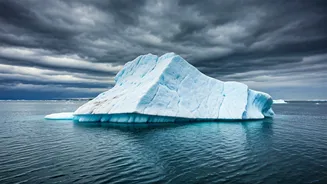
Trump's insistence on the importance of Greenland was very clear, emphasizing its crucial role in US and NATO security. He argued that controlling Greenland was essential to counter the influence of both Russia and China in the Arctic. Greenland's vast territory, which is resource-rich, offers strategic depth and a critical foothold in the Arctic region. The region's strategic importance has grown over time due to the melting ice, which has opened up new shipping routes. This would make the region an important factor in global trade and military deployments. Trump used his presence at Davos to assert that Greenland was not only vital for US national security but also for maintaining the existing world order. His direct approach raised concerns among European leaders, who viewed the potential acquisition and associated pressure tactics as destabilizing and a challenge to the existing global power structure.
European Resistance & Risks
European leaders reacted with significant resistance to Trump’s Greenland acquisition ambitions, expressing fears about the potential ramifications. They were united in their warnings, emphasizing the risks that this bid posed to the global order led by the United States. Many saw the pressure tactics applied by the US administration as a challenge to established diplomatic norms. The EU, in particular, was vocal in its opposition, with concerns over potential disruptions to existing trade deals. Consequently, the EU paused its approval process for a US trade agreement, adding another layer of complexity to the situation. European leaders were worried about the precedent that such an acquisition could set, and its potential impact on international relations. They viewed it as a sign of unilateralism and a possible prelude to future aggressive strategies.
Trade War Fallout Risks
The tensions surrounding Greenland had the potential to extend beyond geopolitical maneuvering, potentially disrupting international trade. Economists and analysts recognized the possibility of these tensions escalating into a full-scale trade war, affecting several nations. Gita Gopinath, a prominent economist, highlighted the risk, stating that even countries like India were not completely insulated from the potential fallout. The US threat to impose tariffs on European countries over the Greenland issue amplified these fears. Such actions could trigger reciprocal measures, leading to a downward spiral of retaliatory tariffs and barriers, impacting businesses and consumers worldwide. The interconnectedness of the global economy meant that any significant disruption in trade could have far-reaching effects, underscoring the seriousness of the situation at Davos.
Trump's Actions & Remarks
Throughout his Davos visit, President Trump made several key statements and took specific actions to assert his position. He directly addressed the Greenland issue, highlighting its importance to the US and NATO. He also employed a mix of directness and assertiveness. In other instances, Trump mocked French President Emmanuel Macron. These public gestures were interpreted by many as indicative of the US approach to international negotiations. These actions were aimed at reinforcing his stance on Greenland, and also to convey a message of American dominance in global affairs. At times, he had to walk back his threats, like the threat of tariffs, showing a tactical shift as the negotiations and discussions unfolded. This dynamic further added layers of complexity to the overall situation, leaving many wondering about the long-term impact on international relations.