



Sweet Pongal's Essence
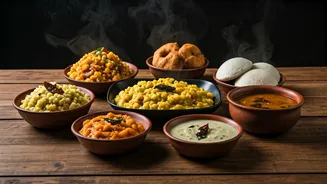
Sweet Pongal, also known as Chakkara Pongal, is often the first dish prepared during the festival. It’s a sweet rice porridge made with rice, moong dal
(split yellow lentils), jaggery, ghee (clarified butter), and nuts. The ingredients symbolize prosperity and sweetness in life. The slow cooking process, usually done in a new pot, represents new beginnings. The use of jaggery instead of refined sugar adds a unique flavour profile, and the ghee infuses the dish with richness. Nuts like cashews and raisins are often fried in ghee and added at the end for both taste and visual appeal. Sweet Pongal is not just a dish; it’s an offering to the Sun God, symbolizing the harvest's bounty and the warmth of the sun.
Savory Pongal's Delight
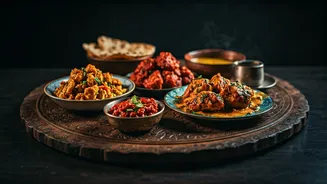
Ven Pongal is a savoury preparation made with rice, moong dal, pepper, cumin, and ginger. This dish offers a comforting and flavorful start to the Pongal festivities. The ingredients are cooked together, creating a soft, porridge-like consistency. The seasoning comes from the addition of whole peppercorns and cumin seeds, which are sauteed in ghee along with ginger. This not only enhances the flavour but also aids in digestion. Ven Pongal is often served with sambar and coconut chutney, providing a delightful combination of textures and tastes. It is a staple breakfast item in South India and offers a balance to the sweetness of the Chakkara Pongal, making the Pongal meal wholesome.
Vadai's Crispy Crunch
Vadai, also known as vada, is a savory fritter made from lentils, typically urad dal (black gram). These deep-fried, doughnut-shaped snacks add a satisfying crunch to the Pongal spread. The urad dal is soaked, ground into a batter, and then mixed with spices like green chilies, onions, and curry leaves. The batter is then deep-fried until golden brown. There are many variations of vadai, including medu vada, which is popular across South India. Vadai is typically served hot with sambar and chutney, creating a perfect balance of textures and flavors. They are a welcome addition to the Pongal menu and a popular snack enjoyed by all.
Sambar's Flavorful Stew
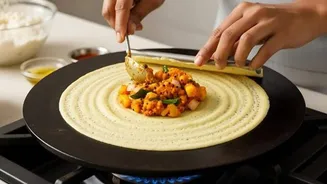
Sambar is a lentil-based vegetable stew that is an essential part of a South Indian meal. Prepared with a blend of vegetables, lentils (usually toor dal), tamarind, and aromatic spices, it adds a complex and tangy flavor profile to the Pongal feast. The vegetables commonly used include drumsticks, eggplant, tomatoes, and pumpkin. These are cooked with the lentils, and a special sambar powder is added to give it a distinct flavor. The tamarind provides a sourness that balances the spices. Sambar is a versatile dish often served with idli, dosa, vada, and rice. During Pongal, it complements both the sweet and savoury dishes, making it an indispensable part of the festive meal.
Coconut Chutney's Zest
Coconut chutney is a ubiquitous accompaniment to many South Indian dishes and is particularly essential during Pongal. Made with fresh coconut, green chilies, ginger, and a tempering of mustard seeds and curry leaves, this chutney is both refreshing and flavourful. The coconut provides a creamy texture, and the chilies add a touch of spice. The tempering, done in hot oil, enhances the taste and aroma. Coconut chutney is best served fresh and adds a bright flavour contrast to richer dishes like Sweet Pongal and Ven Pongal. Its simplicity and versatility make it a constant favourite in South Indian cuisine, essential for the Pongal celebration.
Avial's Vegetable Medley
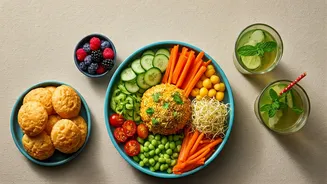
Avial is a mixed vegetable dish from Kerala, often included in Pongal celebrations. Prepared with an array of vegetables cooked in a coconut-based sauce, it offers a nutritious and delicious experience. Common vegetables in avial include carrots, beans, potatoes, drumsticks, and pumpkin. These are cooked with coconut milk, yogurt, and spices, resulting in a creamy texture and balanced flavour. The dish is finished with a garnish of curry leaves and coconut oil, adding both fragrance and taste. Avial is a vegetarian delight that embodies the essence of South Indian cooking during Pongal, reflecting the abundance of fresh produce available during the harvest season.
Payasam's Sweet Symphony
Payasam, a sweet dessert similar to pudding, comes in various forms and is a common part of the Pongal meal. It can be made with rice, vermicelli, or lentils, cooked in milk and sweetened with jaggery or sugar, and flavored with cardamom and nuts. This dessert offers a smooth and creamy texture, making it a perfect end to the festive meal. Rice payasam or paal payasam is a simple and traditional version often made during Pongal. The key to a good payasam is slow cooking, allowing the flavours to meld beautifully. Served warm, payasam is a comforting treat that signifies the sweet moments of the festival.
Murukku's Crunchy Delight
Murukku is a crispy, savory snack made from rice flour and urad dal. These spiral-shaped snacks are deep-fried until golden brown and provide a delightful crunch. The dough is seasoned with spices like cumin and sesame seeds, which add to the flavor and aroma. There are many variations of murukku, each region adding its own twist to the recipe. They are a popular snack during Pongal, enjoyed as a welcome treat during the festivities. Murukku is a great snack to have on hand during the celebrations and are often made in large batches, making them ideal for sharing.
Puli Saadam's Tang
Puli Saadam, or tamarind rice, is a tangy and flavorful rice dish that is often part of the Pongal feast. This rice is prepared by cooking rice with tamarind pulp, spices, and other ingredients, resulting in a sour and savoury dish. The tamarind pulp provides the primary flavour element, along with a mix of mustard seeds, lentils, and dried red chilies, giving it a distinctive taste. It is typically served as a main dish and is often enjoyed as part of a larger Pongal meal. Puli Saadam offers a burst of flavour and makes for a filling and satisfying dish, perfect for the festival.