







Barcode's Hidden Dangers
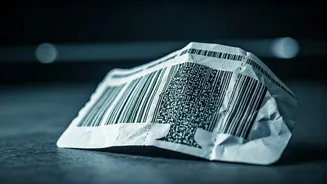
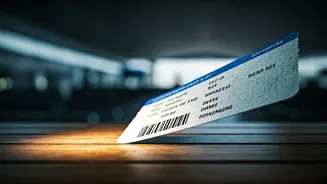
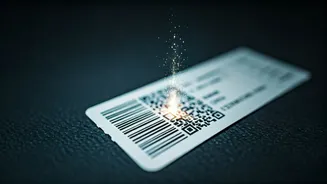
That seemingly innocuous barcode on your boarding pass is a treasure trove of sensitive travel data, following the IATA Bar Coded Boarding Pass (BCBP)
standard. For aviation expert K Anuradha Suresh, a retired Senior AGM at Air India, this digital key can be easily deciphered by anyone with a free smartphone app. The encoded information includes your full name, exactly as it appears on your passport, your unique 6-character Passenger Name Record (PNR) which acts as your booking code, and potentially even your frequent flyer number. This information can also be linked to your contact details like email or phone number. The danger lies in the accessibility: with just your PNR and surname, which are readily available on the barcode, individuals with malicious intent can gain access to significant portions of your booking online. This opens the door to a cascade of security breaches, from viewing your itinerary to making unauthorized changes, misusing your loyalty points, or falling victim to targeted phishing attacks. It's a stark reminder that personal vigilance is as crucial as any system-based security measure.
Flight Manipulation Risks
The information embedded within your boarding pass barcode, particularly your PNR and surname, provides a direct gateway to an airline's 'Manage My Booking' portal. This access allows potential fraudsters to manipulate your travel plans with alarming ease. Imagine someone logging into your account and altering your reserved seat to a less desirable middle seat, or even cancelling your return flight entirely, as has been documented in cases involving social media posts. Beyond seat changes and cancellations, malicious actors could also alter your meal preferences, which could become a significant inconvenience on long-haul journeys. These actions, while seemingly minor, demonstrate the extent to which your travel experience can be disrupted and inconvenienced by unauthorized access facilitated by sharing your boarding pass details online. This highlights the critical need to safeguard this information, as it directly impacts your comfort and security during travel.
Identity Theft and Burglary
Beyond the immediate disruption of your flight, the PNR can serve as a master key unlocking even more sensitive personal data, especially within certain airline systems. A successful breach could expose the last four digits of your credit card, and for international travel, potentially your passport number and date of birth. This level of access allows for a complete view of your travel itinerary, including details about where you will be staying and when you are scheduled to return. This information poses a significant risk of identity theft and account takeover. Furthermore, broadcasting your travel dates and duration directly alerts potential burglars to your absence from home, creating heightened risks of home invasion. The precise timing and length of your trip, revealed through your return flight information, give criminals a clear window of opportunity. Therefore, protecting this information is paramount not only for your travel security but also for the safety of your home.
Smart Sharing Strategies
If the urge to share your travel excitement on social media proves irresistible, it's crucial to adopt stringent safety protocols to protect your personal information. The most critical step is to completely obscure the barcode. Simply using a digital blur or brush tool is insufficient, as these effects can sometimes be reversed, revealing the underlying data. Instead, use a solid, physical object, like your passport or a thick piece of paper, to cover the barcode entirely before taking a picture. Equally important is hiding the 6-character PNR, your booking reference, ensuring it is completely unreadable. A much safer practice is to post your travel photos and updates *after* you have safely reached your destination or returned home. This way, you can share your experiences without inadvertently revealing your location or travel plans to potential threats. These simple precautions can significantly mitigate the risks associated with sharing travel details online.
Personal Vigilance is Key
The advice from aviation experts like K Anuradha Suresh is not intended to induce fear but to foster a greater understanding of digital exposure. The principle of risk mitigation, widely applied in aviation, is equally relevant to personal data security. By taking simple precautions, such as refraining from posting boarding passes or diligently obscuring the barcode and booking reference, individuals can proactively protect themselves from potential harm. Suresh emphasizes that security is a dual responsibility, involving both robust systems and individual vigilance. Beyond digital sharing, this principle extends to physical documents. Even discarded paper boarding passes can pose a risk. Therefore, it is recommended to always shred physical boarding passes after use rather than simply disposing of them in a trash can, ensuring that sensitive information doesn't fall into the wrong hands.