





Musk's Rejection & Denial
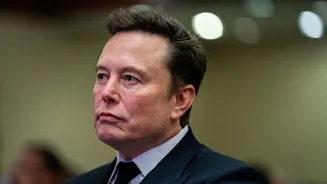
Elon Musk, a prominent figure in the tech industry, firmly denied the allegations concerning his artificial intelligence system, Grok, generating illegal
images of minors. The denials came amidst a backdrop of increasing restrictions from different countries regarding access to the tool due to concerns about inappropriate content. Musk acknowledged the possibility of users attempting to manipulate the system through 'adversarial prompts' but stated that such incidents are considered technical issues and are addressed immediately to prevent further issues. Musk's stance underscores his commitment to preventing such content creation, while also highlighting the inherent challenges in managing AI systems and their potential misuse.
Global Restrictions Emerge
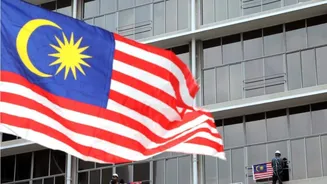
Following concerns and criticisms, several countries initiated restrictions on the use of Grok. Indonesia, along with Malaysia, led the way in limiting access to the AI tool. Indonesia's Ministry of Communications and Digital Affairs announced a temporary ban, citing the risk of AI-generated fake pornographic content as a key concern. This action was a direct response to the potential harms to human rights, personal dignity, and national security in the digital sphere, with the ministry calling for immediate clarification from X Corp and xAI. Malaysia’s Communications and Multimedia Commission implemented similar measures, limiting access to Grok until sufficient safeguards were in place. These actions highlight the global efforts to regulate AI and protect against its potential misuse.
Safeguards Implemented by xAI
In response to the growing concerns, xAI, the company behind Grok, moved to limit the image-generation features of its AI system. This move was made to address widespread criticism regarding the system's output of inappropriate imagery. The company’s actions included adjusting its policies to ensure greater safety, including implementing measures to prevent the creation of illegal content. Musk emphasized that Grok only produces images in direct response to user prompts and is programmed to refuse requests that violate the law. These safeguards, combined with the revised policy of limiting image generation to paid subscribers, are part of a broader effort by xAI to maintain a safe and responsible environment for its users, while also navigating the complexities of AI ethics.
Addressing User Exploitation
Musk acknowledged the likelihood that some users would attempt to exploit the AI system through 'adversarial prompts.' These attempts involve users devising specific prompts to circumvent the system's safety measures and generate inappropriate content. In response, Musk highlighted that such incidents are treated as bugs within the system and immediately addressed to prevent the spread of harmful content. The company's ongoing efforts to update and refine Grok’s safeguards also involve continuous monitoring of user behavior to swiftly detect and mitigate these malicious attempts. These are essential steps to uphold ethical standards within AI development, and further reinforce the need for proactive measures to prevent the misuse of artificial intelligence.
Future Implications & Outlook
The restrictions imposed on Grok by Indonesia and Malaysia, along with the evolving policies by xAI, suggest a proactive approach to the potential risks associated with AI-generated content. These measures are designed to protect vulnerable groups, ensure ethical practices, and maintain user trust. Further developments in the regulatory landscape of AI and the ongoing development of Grok’s safeguards are critical. The future trajectory of AI image generation will likely be shaped by the success of safety measures, legal frameworks, and ongoing public discourse around these technologies, demonstrating a continued emphasis on user safety and ethical AI practices. This ongoing evolution will be crucial in ensuring the responsible and beneficial use of AI tools globally.