







The Norovirus Menace
For years, the Norovirus, a notorious stomach bug, has been a persistent issue on cruise liners. Its highly contagious nature thrives in the shared spaces
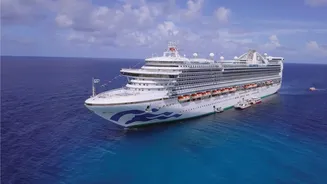
common on ships, such as dining halls and communal areas where surfaces are frequently touched. Although cruise ship outbreaks represent a small fraction of global Norovirus cases, they are closely monitored by health authorities due to the high concentration of people. For instance, the Caribbean Princess experienced a significant Norovirus outbreak affecting over 100 passengers and crew on a 13-night voyage in the Southern Caribbean, as reported by NBC News, citing the CDC. This incident followed another in early 2020, where the same ship saw over 400 individuals fall ill across two trips, serving as a stark reminder that long-standing viral threats remain a major concern for onboard hygiene. Analysis of historical data reveals a considerable number of Norovirus outbreaks documented on cruise vessels, primarily attributed to contaminated surfaces, foodborne transmission, and rapid person-to-person spread. Ships like the Celebrity Mercury and Explorer of the Seas have become well-known for such occurrences, not because they are unique in their susceptibility, but because their design, featuring close proximity and shared facilities, creates an ideal breeding ground for these viruses to spread rapidly through high-traffic zones like buffet dining areas.
Diamond Princess Crisis
The Diamond Princess became a stark symbol of the pandemic's initial confusion in February 2020. Following a single passenger's positive test result, the vessel was placed under quarantine off the coast of Yokohama, Japan. This strategy, intended to contain the virus, proved counterproductive. The pathogen disseminated through the ship's ventilation systems and narrow corridors, ultimately infecting 712 of the 3,711 individuals on board. With 14 fatalities and an infection rate of 20%, the Diamond Princess vividly demonstrated to the world the alarming speed at which a virus can proliferate within an enclosed environment, highlighting the challenges of managing infectious disease in such settings.
Ruby Princess and Nile Incidents
While the Diamond Princess served as a cautionary tale of ineffective quarantine, the Ruby Princess incident in Australia highlighted issues with poor timing and decision-making. In March 2020, approximately 2,600 passengers were disembarked in Sydney before their COVID-19 test results were finalized. This decision later linked the ship to over 900 confirmed cases and 28 deaths, effectively facilitating the virus's widespread transmission into the Australian community. The risks are not confined to large ocean liners; even the tranquil waters of the Nile River proved susceptible. A cluster of 45 cases was identified aboard the MS River Anuket, demonstrating that smaller river cruise vessels also present significant transmission risks. These events underscore that regardless of size or location, the enclosed nature of cruise travel poses inherent vulnerabilities for disease propagation.
Enclosed Environments Amplify
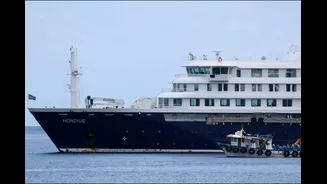
The MV Hondius outbreak brought renewed attention to how confined travel settings, such as cruise ships, can significantly accelerate the spread of even rare infections, particularly when early detection and intervention are delayed. These environments, characterized by close quarters and shared amenities, create a perfect storm for pathogens. High-contact areas, especially buffet-style dining facilities where guests share utensils and touch communal surfaces, are consistently identified as primary risk zones for the rapid dissemination of contagious illnesses. The interconnectedness of passengers and crew, coupled with the constant circulation of air and shared resources, means that a single infected individual can quickly expose a large population. This dynamic necessitates stringent health protocols and rapid response mechanisms to mitigate the impact of any potential outbreak and protect both passengers and the wider communities that cruise ships interact with.