


Scalp Massage Basics
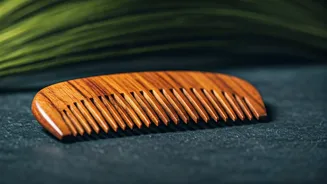
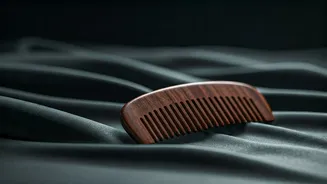
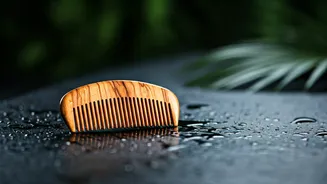
The practice of massaging the scalp with a wooden comb, often seen in Japanese households and increasingly viral online, is presented as a remedy for issues
like premature greying. However, this isn't a novel concept, as similar rituals have long been part of Indian homes. Dermatologists suggest there's a scientific basis for its benefits. The core idea is that scalp massage enhances blood circulation. This improved flow delivers vital oxygen and nutrients directly to the hair follicles, fostering a healthier environment for hair growth. For those concerned about greying, this enhanced circulation might slow the decline of pigment cells responsible for hair color. While the massage can contribute to overall scalp health and potentially mitigate some signs of aging hair, it's important to understand that greying is a complex process influenced by many factors beyond just circulation.
Beyond the Physical
The perceived effectiveness of the wooden comb scalp ritual often stems from a combination of physical stimulation and psychological benefits. Dr. Shweta Nakhawa explains that a gentle scalp massage not only aids in nourishing the scalp but also plays a significant role in reducing stress levels, promoting relaxation. In our fast-paced lives, stress is a well-documented trigger for both premature greying and increased hair loss. Therefore, individuals who consistently incorporate this massage into their routine might observe improvements not due to any mystical properties, but rather because the practice effectively alleviates stress and provides holistic scalp nourishment. This connection between mental well-being and physical hair health is a key aspect of why the ritual resonates with many.
Who Should Try?
For the vast majority of people, incorporating a gentle scalp massage with a wooden comb or even just fingertips is entirely safe and can be a pleasant addition to one's routine. The key is to perform the massage with care and gentleness. However, individuals suffering from pre-existing scalp conditions, such as eczema, psoriasis, or active infections, should exercise caution. Before attempting this or any new scalp practice, it is highly recommended to consult with a dermatologist. Medical advice is crucial to ensure the practice doesn't exacerbate any underlying issues or cause irritation, prioritizing scalp health and safety above all.
Realistic Expectations
It's crucial to approach the wooden comb scalp ritual with realistic expectations, understanding that it is not a magical cure for all hair woes. While massage and combing can be beneficial components of a regular hair care regimen, the primary determinant of hair greying remains largely genetic. Dr. Nakhawa emphasizes that factors such as maintaining a balanced diet, ensuring adequate sleep, and effectively managing stress are paramount for preserving healthy hair. For individuals who are already experiencing noticeable grey hairs, established methods like hair dyes or specific medical interventions are the most evidence-based solutions. The comb ritual should be viewed as a supportive wellness practice, not a definitive solution.
A Wellness Practice
Ultimately, the nightly wooden comb scalp massage can be embraced as a valuable wellness practice, offering a blend of relaxation and potential hair texture enhancement. It is an affordable and accessible form of self-care that can contribute to a more calming bedtime routine. If you find joy in incorporating rituals that promote relaxation and mindfulness into your day, this practice can serve as a soothing element of your evening schedule. Think of it as an act of self-love and maintenance rather than a cure for significant hair concerns. Its primary value lies in its ability to promote well-being and enhance sleep quality.