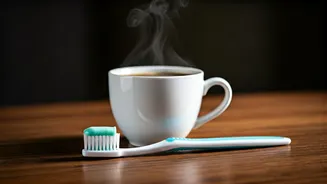







The Coffee-Toothbrush Dilemma
Many of us begin our day with a steaming cup of coffee, often followed by brushing our teeth. However, a prominent US dentist suggests this common practice
could be detrimental to our dental health. The issue lies in the acidity of coffee and the state of our enamel after waking. Coffee, with a pH typically around 5, can soften tooth enamel. This crucial protective layer takes about 30 to 40 minutes to naturally re-harden after exposure to acidic substances. Brushing immediately after consuming coffee, while the enamel is still vulnerable, doesn't effectively clean stains but rather scrubs away the softened mineral structure. This can lead to progressive yellowing of the teeth over time, even with regular brushing. The dentist likens this action to sanding your teeth, which is counterproductive to maintaining a bright smile.
Why Brushing First Matters
The key to safeguarding your enamel lies in the sequence of your morning routine. By brushing your teeth *before* you enjoy your coffee, you're essentially creating a protective barrier. This pre-coffee brushing helps remove the overnight biofilm, which can be sticky and allow milk proteins in coffee to adhere more effectively. When the enamel is in its hardened state, brushing is far more effective at cleaning and removing surface debris without causing damage. This habit significantly reduces the risk of staining and erosion. The dentist emphasizes that this simple adjustment can prevent the gradual wearing down of enamel, which is a common cause of teeth appearing yellower despite consistent oral hygiene practices.
Alternative Oral Care Strategies
For those who find it difficult to break the habit of brushing after coffee, or for individuals seeking enhanced oral protection, alternative methods can be employed. One recommended approach involves using an MCT (medium-chain triglycerides) oil blend for rinsing. This oil acts as a gentle, effective way to thin and remove the bacterial film coating the teeth, known as biofilm. Unlike mechanical abrasion, oil rinsing cleanses without directly interacting with the enamel's surface. This method ensures oral hygiene is maintained without compromising enamel integrity. Additionally, sipping water concurrently with coffee can help dilute the acid's impact, effectively shortening the enamel's recovery window. Following these practices allows for a more robust and enamel-friendly approach to morning oral care.
Protecting Enamel Long-Term
The collective impact of these habits on your dental health can be substantial. By understanding the delicate nature of tooth enamel and its response to acidic beverages like coffee, you can make informed choices. The dentist's advice highlights that the optimal approach involves brushing *before* your morning coffee to fortify your teeth. If you must brush afterward, allow at least 30 to 40 minutes for your enamel to re-harden. Incorporating an oil rinse or sipping water during coffee consumption further bolsters protection. These seemingly minor adjustments in your daily routine can prevent long-term damage, reduce staining, and help maintain a healthy, bright smile for years to come.