



Fueling Test Underway
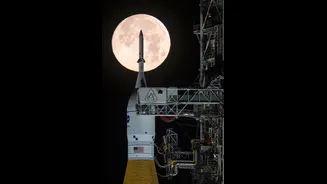
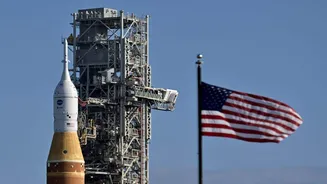
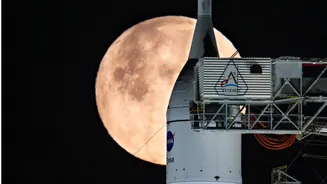
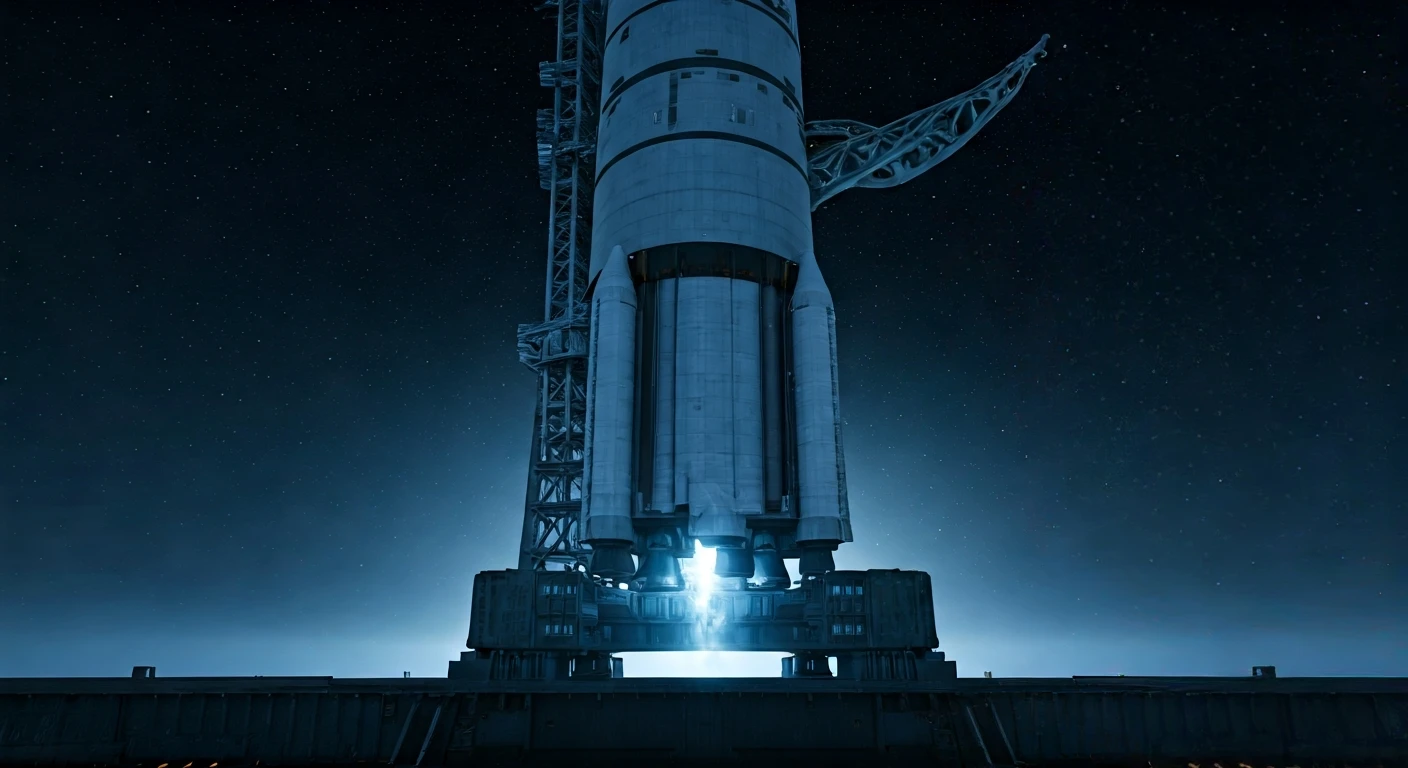
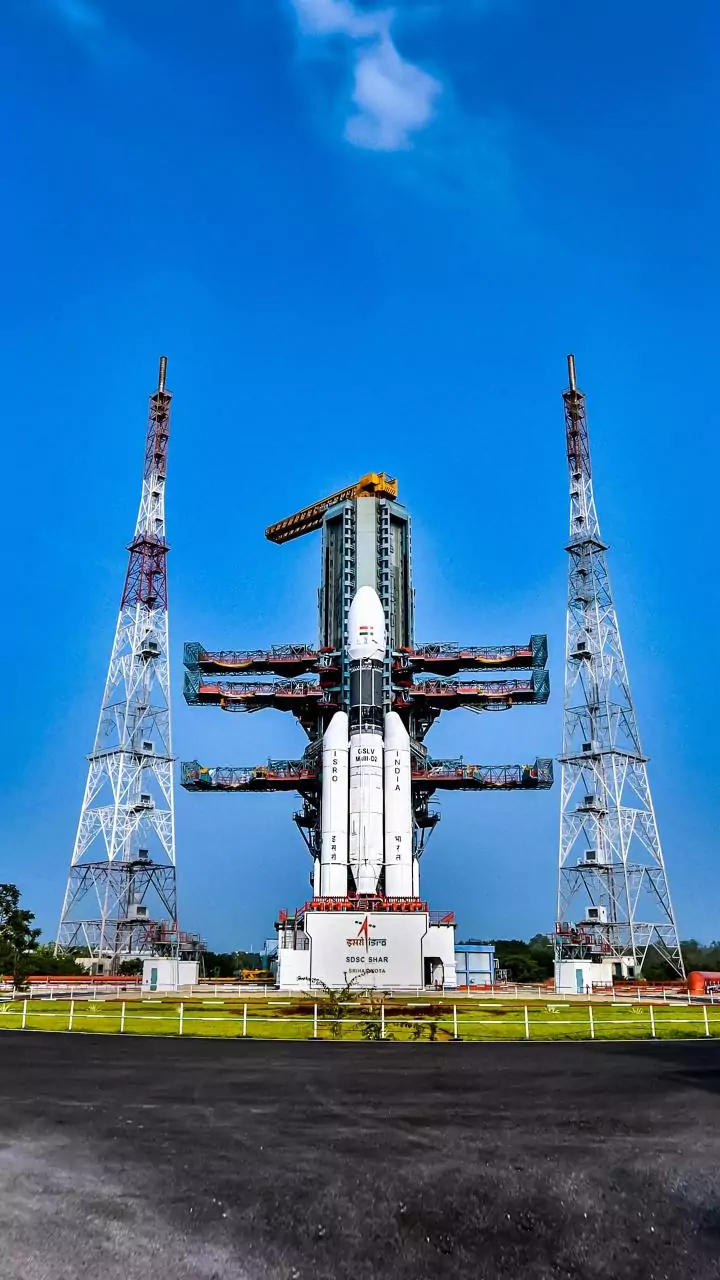
NASA commenced a vital fueling operation for its imposing 322-foot (98-meter) moon rocket, an essential step before astronauts can embark on their lunar
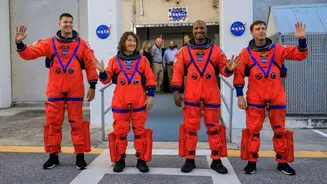
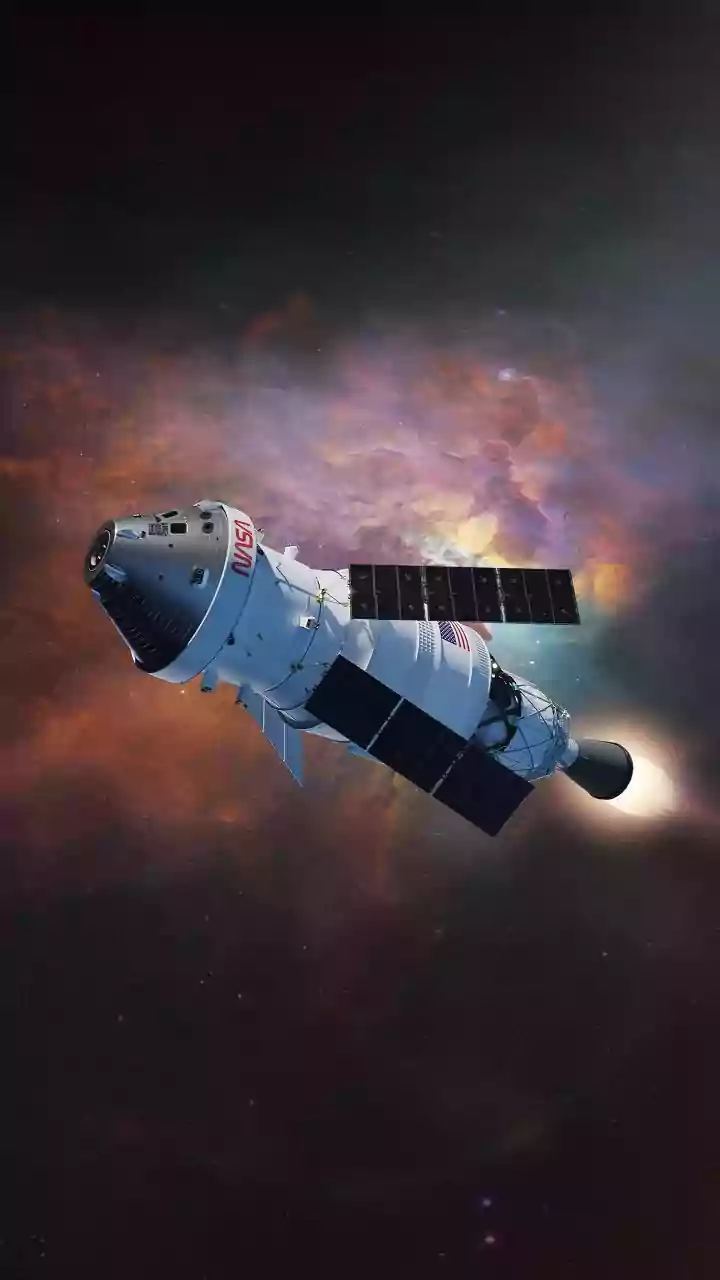
journey. This intricate process involved flowing over 700,000 gallons (2.6 million liters) of super-cold hydrogen and oxygen into the rocket's tanks at the Kennedy Space Center, a procedure designed to replicate the final moments of an actual launch sequence, requiring the propellant to remain stable for several hours. The success of this all-day test is paramount, as it directly dictates the timing for the first crewed lunar fly-around in over fifty years. The mission, if it proceeds, will see a crew of three Americans and one Canadian, who have been in quarantine for the past week and a half awaiting the outcome of this crucial dress rehearsal, travel past the moon and return to Earth, testing vital capsule systems without entering lunar orbit or attempting a landing. This mission serves as a foundational step in NASA's broader Artemis program, which aims to establish a sustained human presence on the moon, building upon the legacy of the Apollo missions from the 1960s and 1970s.
Hydrogen Leak Emerges
Midway through the extensive fueling process, a significant issue arose: an excess of hydrogen was detected near the rocket's base. This unexpected discovery led to an immediate temporary halt in the hydrogen loading, with only half of the core stage's tanks filled at that point. The launch control team quickly activated contingency plans, employing strategies previously developed during the Space Launch System (SLS) rocket's inaugural test flight three years prior, which was also beleaguered by hydrogen leaks before its eventual successful liftoff. The astronauts, monitoring this critical dress rehearsal from nearly 1,000 miles away in Houston at the Johnson Space Center, anxiously awaited the resolution of this problem. This particular fueling demonstration was already running two days behind schedule due to an earlier severe cold snap, further intensifying the pressure to overcome this latest hurdle.
Launch Window Ticking
The outcome of this demanding fueling demonstration holds the key to unlocking the launch window for commander Reid Wiseman and his crew. If the test concludes successfully and without further complications, NASA could potentially launch the mission as early as Sunday. However, a stringent deadline looms: the rocket must achieve liftoff by February 11th. Should this date be missed, the mission will be postponed until March. NASA operates within very specific launch windows each month, and the recent extreme cold weather has already shortened February's available days by two. The intricate process involved setting the countdown clocks to halt just before engine ignition, providing controllers an extended period to meticulously work through any remaining rocket issues and ensure the integrity of the system. The recurring nature of hydrogen leaks, which significantly delayed the first SLS rocket's launch for months in 2022, underscores the critical importance of resolving this issue for the Artemis program's ambitious lunar objectives.