







Brain's Fuel Vulnerability
The brain's absolute reliance on glucose as its primary energy source makes it exceptionally vulnerable when blood sugar levels drop precipitously. Unlike
other organs, the brain lacks its own glucose reserves and cannot produce it independently. Consequently, any rapid decline in blood glucose levels directly impairs brain cell function. This impairment initially manifests as subtler cognitive and behavioral changes, such as confusion, heightened irritability, distorted vision, or unusual demeanor. As the glucose deprivation intensifies, these symptoms can escalate to more alarming neurological events, including prolonged staring episodes, involuntary muscle spasms, or complete generalized seizures. Prolonged and severe hypoglycaemia can unfortunately result in irreversible neurological damage, underscoring the critical need for prompt recognition and intervention when blood sugar levels fall too low.
Triggers for Danger
Severe episodes of low blood sugar, medically termed severe hypoglycaemia, typically arise from an imbalance between prescribed medications, dietary intake, and physical exertion. For individuals managing diabetes, particularly those on insulin, medication errors represent a significant risk factor. This includes administering excessive doses, taking insulin at incorrect times, or confusing different types of insulin, such as rapid-acting or long-acting varieties. Even simple mistakes like taking a double dose, injecting insulin without consuming a meal, or misidentifying insulin types can lead to a sudden, dangerous drop in glucose. The prolonged presence of certain medications in the body, especially in elderly patients or those with compromised kidney function, can further exacerbate this risk. Additionally, skipping meals after taking insulin, underestimating exercise intensity without adjusting food intake, or consuming alcohol on an empty stomach are common precipitating factors that can severely lower blood glucose levels.
Spotting Early Warnings
Before the onset of severe symptoms like seizures, the body often provides discernible warning signals of impending low blood sugar. These initial indicators typically include profuse sweating, noticeable trembling or shakiness, a rapid heartbeat, feelings of dizziness, sudden intense hunger, heightened anxiety, headaches, or difficulty maintaining focus. If these early manifestations are overlooked or not addressed promptly, the condition can rapidly deteriorate, leading to profound confusion, physical collapse, and ultimately, seizures. Experts emphasize that immediate consumption of fast-acting carbohydrates, such as glucose tablets or fruit juice, followed by a blood sugar re-measurement after 15 minutes, can effectively halt the progression of hypoglycaemia in many instances and prevent escalation to more critical stages.
Prevention and Response
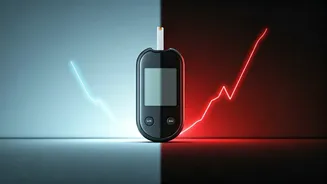
Maintaining stable blood glucose levels is paramount for preventing severe hypoglycaemia, achieved through consistent meal schedules, accurate medication usage, and regular self-monitoring. Individuals at higher risk are strongly advised to avoid skipping meals, synchronize their food intake with physical activity levels, and always carry a readily accessible source of quick sugar. Advanced tools like continuous glucose monitoring systems can provide early alerts for sudden glucose drops. Adjustments to medication regimens during periods of illness, travel, or significant routine changes should always be made in consultation with a healthcare professional. Emergency preparedness is crucial; affected individuals should be educated on recognizing early warning symptoms and maintain essential supplies like a glucometer and glucose powder at home. In instances where blood sugar drops, dissolving three teaspoons of glucose in water and consuming it immediately is recommended. If a person is unconscious or unable to swallow, immediate medical attention is required for intravenous glucose administration. Long-term strategies involve comprehensive education on personal triggers, strict medication adherence, mindful alcohol consumption, and wearing medical identification to minimize risks.