





The Paneer Predicament
Many vegetarians aiming for weight loss or fitness often rely on low-fat paneer for its protein content. However, for a significant number of people, the
texture and taste of low-fat paneer are unappealing, making it a chore rather than a pleasure to consume. This can severely undermine long-term adherence to a healthy eating plan. A fitness coach highlights that while paneer might serve as a temporary protein source, its unpalatable nature can lead to it feeling like chewing on leather, posing a choking hazard due to its dryness. The core issue is that fitness and weight management are not short-term fixes; they require sustainable habits. If a key dietary component feels unpleasant, maintaining it becomes exceptionally difficult, thereby jeopardizing the results achieved and potentially leading to weight regain. The emphasis should shift from temporary adherence to building a dietary approach that is both enjoyable and realistic for long-term success, ensuring protein intake remains consistent without feeling like a punishment.
Sustainable Eating Strategies
Achieving lasting fitness results hinges on adopting a sustainable approach, rather than merely treating dietary changes as a short-term project. Fitness coach Raj emphasizes that viewing a diet as a temporary measure, perhaps for a few weeks or months, before reverting to old habits, is fundamentally flawed. Sustaining weight loss or fitness gains requires sustaining the efforts that led to those achievements. This includes consistently consuming adequate protein. Therefore, the focus must be on cultivating eating patterns that can be maintained for a lifetime. This means finding protein sources that are genuinely palatable and can be integrated into daily meals without feeling like an obligation. A long-term plan involves not just reaching a goal weight but also maintaining that status through enduring healthy lifestyle choices, with nutrition playing a central role.
Versatile Protein Powerhouses
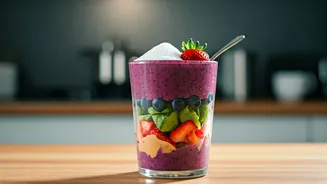
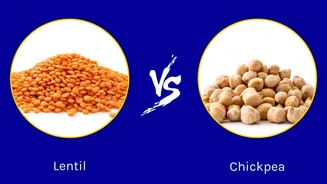
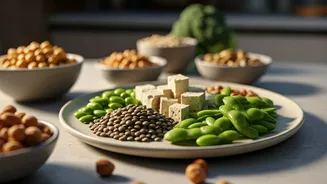
To foster a sustainable and enjoyable dietary regimen, diversifying protein sources is crucial, moving beyond the singular reliance on low-fat paneer. Excellent alternatives include tofu and tempeh, both derived from soybeans, offering distinct textures and flavors that are often more appealing. Tofu's mild taste and adaptability allow it to absorb marinades and complement various cuisines, from stir-fries to scrambles. Tempeh, with its fermented nature, provides a firmer texture and a richer, nuttier profile, making it ideal for grilling or pan-frying. Increasing the consumption of lentils and legumes, such as chickpeas, kidney beans, and black beans, significantly boosts protein and fiber intake, promoting satiety. These can be incorporated into hearty curries, salads, soups, or blended into dips. Greek yogurt, particularly the plain, unsweetened variety, stands out for its high protein content and creamy texture, serving as a convenient snack, a smoothie base, or a foundation for savory sauces. Edamame, or young soybeans, offers a simple, protein-rich snack option when steamed. For those struggling to meet protein needs through whole foods alone, a high-quality protein supplement can be a practical and effective adjunct. This variety ensures that meals remain engaging and that protein goals are met consistently, supporting long-term health and fitness objectives.
Expanding Your Vegetarian Protein Menu
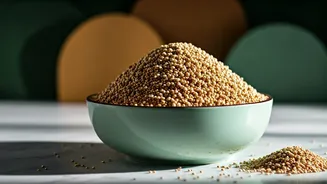
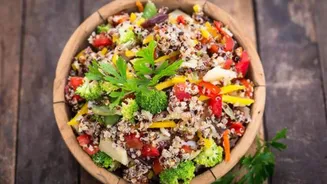
For vegetarians committed to weight loss and overall fitness, a varied intake of protein-rich foods is paramount, moving beyond the often-disliked low-fat paneer. Tofu, a versatile soy derivative, is an excellent choice, easily incorporated into stir-fries, curries, or baked dishes due to its neutral flavor and ability to absorb seasonings. Tempeh, another soy product but fermented, offers a firmer texture and a more pronounced, nutty taste, making it a great candidate for grilling or pan-searing. Lentils and various legumes, including chickpeas, kidney beans, and black beans, are foundational sources of both protein and dietary fiber, which aids in sustained fullness. These can enrich salads, soups, and stews, or be transformed into popular dips like hummus. Plain Greek yogurt, distinct from regular yogurt in its thickness and higher protein count, is an ideal choice for snacks, smoothies, or as a base for dressings. Edamame, the tender form of soybeans, provides a quick and protein-packed snack. Even nuts and seeds, like almonds, walnuts, chia, and flaxseeds, contribute protein and healthy fats, though their calorie density necessitates mindful portioning. Quinoa, a complete protein grain, offers a nutrient-dense alternative to traditional grains in salads and bowls. By integrating these diverse options, vegetarians can meet their protein requirements effectively, support muscle health, and facilitate sustainable weight loss without compromising on taste or enjoyment.