





Understanding Hormones & Supplements
Hormones are chemical messengers that orchestrate various bodily functions. When hormonal imbalances occur, it can affect mood, energy levels, menstrual
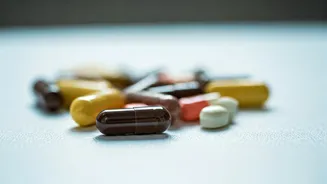
cycles, and more. A well-rounded diet is essential, but supplements can provide additional support, especially when dietary intake is insufficient. It is crucial to consult with a healthcare professional before starting any new supplement regimen to ensure it aligns with individual health needs and to avoid potential interactions with existing medications or health conditions. The gynecologists often carefully consider factors such as age, lifestyle, and specific health concerns when recommending supplements for hormonal balance. This personalized approach ensures the chosen supplements effectively address the individual's needs, maximizing benefits and minimizing risks.
Vitamin D's Role in Hormones
Vitamin D is essential for bone health and also plays a critical role in hormone regulation. Research has shown a connection between vitamin D deficiency and hormonal imbalances, including issues related to menstruation and fertility. Supplementation can help restore vitamin D levels, which may, in turn, positively impact hormonal health. The recommended dosage varies depending on individual needs and deficiency levels, so a healthcare provider can determine the appropriate amount through blood tests. Vitamin D assists in the absorption of calcium, it is important for overall health, and its impact on hormonal health further reinforces its importance in maintaining a balanced system. The benefits of vitamin D extend beyond bone health, influencing various aspects of the body's functioning, making it a crucial component in any regimen aimed at addressing hormonal imbalances.
Magnesium for Well-being
Magnesium is a mineral vital for various bodily functions, including hormone regulation. It plays a role in insulin sensitivity, which is crucial for managing blood sugar levels, and is linked to polycystic ovary syndrome (PCOS). Magnesium can help reduce PMS symptoms, such as mood swings and bloating. Supplementation can be particularly beneficial for those who are deficient, which is fairly common. Getting enough magnesium can improve energy levels and mood. Sources for magnesium include green leafy vegetables, nuts, and seeds. Supplementing with magnesium can have a beneficial impact on hormone balance and overall well-being, especially for women experiencing hormonal imbalances and stress. As always, it is important to consult a health professional to determine the appropriate dosage.
Omega-3 Fatty Acids Benefits
Omega-3 fatty acids, found in fish oil and flaxseed, are known for their anti-inflammatory properties and can significantly impact hormonal health. They may help to regulate menstrual cycles and reduce symptoms of conditions like PCOS, which is associated with hormonal imbalances. Regular intake can improve mood and reduce anxiety, often associated with hormonal fluctuations. Omega-3 fatty acids also support cardiovascular health. They are essential fats that the body cannot produce on its own. It is important to obtain them through diet or supplementation. For those who do not consume much fish, supplementation with fish oil or algal oil is often suggested. The appropriate dosage depends on individual needs and health conditions; consulting a healthcare provider is always advisable before starting a supplementation plan.
Probiotics: Gut Health Link
Probiotics, which are beneficial bacteria, support gut health, which has a significant impact on hormonal balance. The gut microbiome influences hormone production, absorption, and excretion. A healthy gut microbiome can lead to better hormone regulation, while an imbalance may exacerbate hormonal issues. Probiotics may help to reduce inflammation and improve digestion, leading to overall improvements in women's health. Including probiotic-rich foods, such as yogurt and kefir, or taking a probiotic supplement can support a healthy gut. The type and dosage of probiotics should be determined with the guidance of a healthcare professional. Maintaining a healthy gut microbiome is essential for optimal hormone function and overall well-being. It is increasingly recognized as a key factor in managing and preventing various health conditions, including those related to hormonal imbalances.
Inositol's Role in PCOS
Inositol, a type of sugar alcohol, has shown promise in managing PCOS. It can improve insulin sensitivity, reduce androgen levels, and promote regular menstrual cycles. It is often recommended by gynecologists for women with PCOS to help manage symptoms and improve fertility. There are different forms of inositol, with myo-inositol and D-chiro-inositol being the most common. Dosage and the ideal ratio of these forms are often recommended by a healthcare provider, taking into consideration the individual's condition. Inositol can also have positive effects on mood and overall well-being. Many women with PCOS have experienced significant benefits from inositol supplementation, making it an important tool in the treatment of this condition. It's best to consult a healthcare provider for recommendations.
Chasteberry for Hormonal Balance
Chasteberry, also known as Vitex, is a herbal supplement often used to balance hormones, especially those related to the menstrual cycle. It can help regulate irregular periods, reduce PMS symptoms, and alleviate hormonal acne. Chasteberry works by influencing the pituitary gland, which controls the production of several hormones. It is most effective for women with luteal phase defects, where the second half of the menstrual cycle is too short. The effects of chasteberry may take a few months to become fully apparent, so it requires patience. Consultation with a healthcare provider is crucial before starting chasteberry, especially if you're taking other medications or have underlying health conditions. This supplement can be a natural alternative for managing hormonal imbalances. It is recommended for those who seek to improve their reproductive health and well-being.