







A Health Setback
Namita Thapar, a prominent figure at 48, recently disclosed a significant period of her life where her physical activities came to a standstill. For approximately
six months, she found herself unable to engage in her regular fitness routines, including gym workouts, dancing, yoga, and Pilates. This hiatus was primarily attributed to experiencing the challenging symptoms of menopause alongside the debilitating pain and immobility caused by a frozen shoulder. She candidly described this phase as difficult, highlighting how the combined impact of these health issues led her to temporarily set aside all forms of exercise and movement, impacting her daily life and well-being significantly.
The Gradual Return
Despite the significant challenges, Namita Thapar has marked a triumphant return to her fitness regimen, albeit with a cautious approach. She shared an update showcasing her current gym session, acknowledging that she is still only about 50 percent recovered. However, her spirit and determination are evident as she focuses her workouts on areas that do not heavily involve her shoulder, such as her legs and core. This strategic approach allows her to continue building strength and maintaining her physical conditioning without exacerbating her injury. Her declaration, 'But baby, I’m back!' encapsulates her resilience and commitment to regaining her health and vitality, emphasizing the importance of continuing to invest in muscle mass even during recovery.
Muscle Mass: Beyond Aesthetics
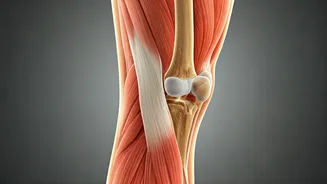
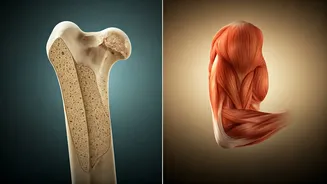
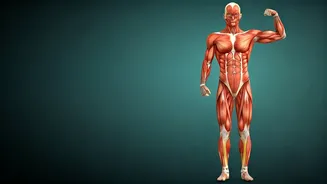
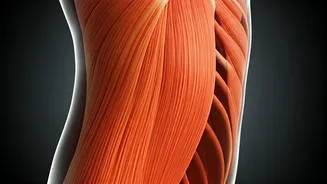
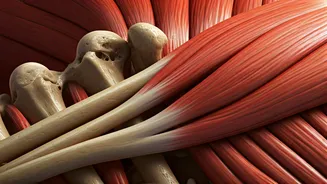
Consultant dietitian and fitness expert Garima Goyal emphasizes that maintaining and rebuilding muscle mass extends far beyond mere aesthetic appeal, especially for individuals in their 40s and 50s. Muscle tissue plays a fundamental role in supporting overall metabolic health, enhancing the body's sensitivity to insulin, and providing essential protection for joints. Furthermore, it is crucial for preserving bone density and bolstering the body's resilience as it naturally ages. Goyal points out that as people enter their fifth decade, a natural decline in lean muscle tissue begins if it's not actively stimulated through consistent resistance training. Therefore, preserving muscle becomes a paramount concern for long-term health and functional independence.
The Importance of Rebuilding
The period of inactivity, especially when brought on by an injury or a health condition like a frozen shoulder, can lead to a gradual but noticeable loss of muscle mass and a subsequent reduction in functional strength. Namita Thapar's experience underscores this reality, highlighting how stepping away from regular training made her acutely aware of muscle's crucial role in maintaining strength, mobility, and overall well-being. According to Garima Goyal, once the body is sufficiently healed and ready to resume physical activity, rebuilding muscle mass becomes a top priority. This process is not just about returning to previous fitness levels but about strategically regaining lost strength and function in a safe and effective manner, ensuring a sustainable path back to health.
Patient Progress
Returning to a fitness routine after a significant break necessitates a patient and progressive approach. Garima Goyal advises that the primary goal immediately following a period of inactivity should not be to immediately replicate past performance levels. Instead, the focus should be on gradually restoring mobility, enhancing stability, and re-engaging muscles. A well-structured progressive strength training program, coupled with sufficient protein intake to support muscle repair and growth, and adequate rest for recovery, are all integral components. This combination helps the body effectively regain lost muscle mass while concurrently minimizing the risk of re-injury, ensuring a safe and effective path back to full fitness.
Investing in Future Health
In essence, the contemporary understanding of exercise transcends the sole pursuit of weight loss or aesthetic improvements. Garima Goyal articulates that the emphasis has shifted towards using physical activity as a means to maintain and build muscle, which serves as a vital protective reserve for long-term health. Rebuilding muscle after a pause in training represents more than just a physical comeback; it is a profound investment in one's metabolic health, ensuring sustained functional independence, and promoting a healthier, more resilient aging process. This perspective highlights the holistic benefits of maintaining muscle mass throughout life.