







Putin's India Visit
The visit of Russian President Vladimir Putin to India became the focal point of many news reports. This high-profile meeting between the leaders of both
nations offered a chance to advance collaborations and address significant issues. The discussions included important topics such as trade deals and the possibility of military hardware purchases, setting the stage for a period of ongoing diplomacy. The discussions between the leaders were not just about trade and strategic partnerships but also reflected the deeper relationship and mutual interests of the countries. A lot of expectations were tied to the visit, with experts eagerly analysing the potential impact on international relations. Furthermore, Putin's visit underscored the evolving dynamics of alliances, especially given the current global geopolitical scenario.
Major Summit Agenda
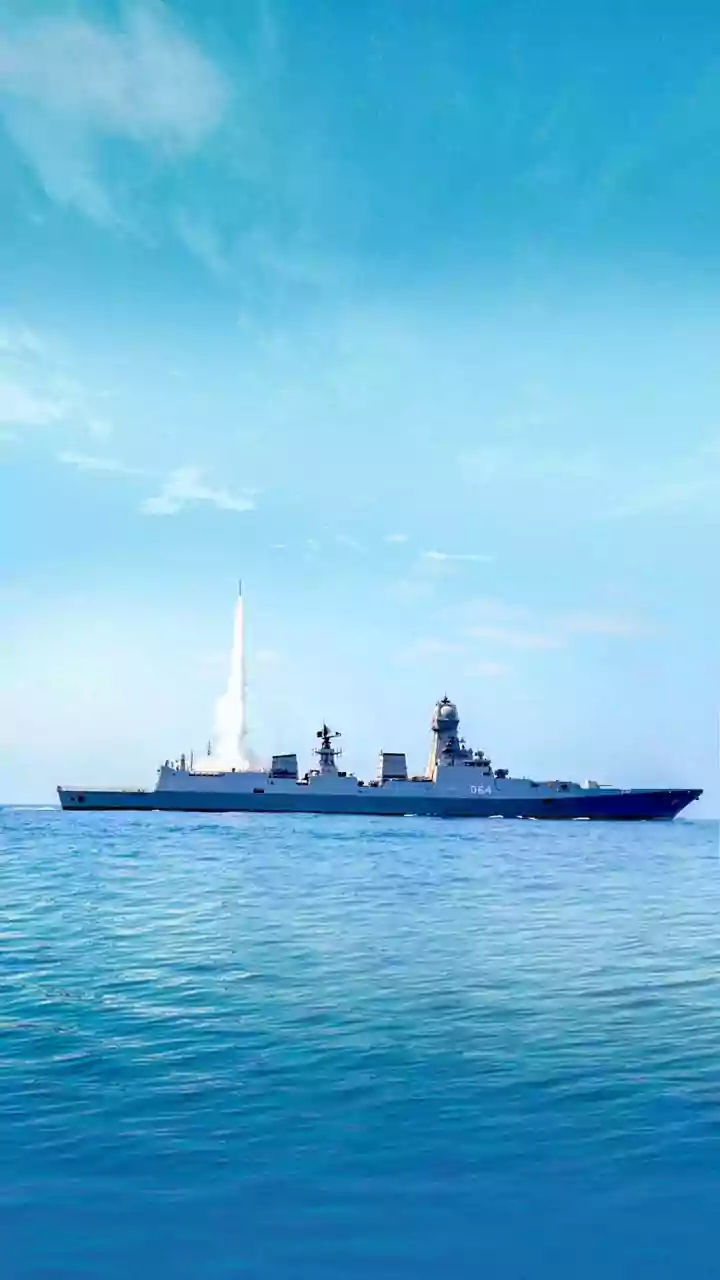
The central topic of discussion during the summit was the potential for bolstering the defence systems with the inclusion of advanced missile systems. There were discussions about the possibility of acquiring S-400 missile systems and Su-57 fighter jets. These talks showed a focus on bolstering military capabilities and improving the strategic partnership between the countries. Along with defence, the meeting also covered trade and economic partnerships. Discussions focused on increasing trade volume and exploring avenues for economic cooperation, to reinforce the economic relationship between the nations. The leaders reviewed the progress of already-existing collaborations and also explored new areas of cooperation. The meeting covered a range of topics, displaying the dedication of both countries to collaborate on key areas.
Potential Deals Explored
Among the most significant topics was the potential for future defence agreements. Discussions primarily focused on the S-400 and Su-57 deals, which could majorly strengthen India's defence capabilities. The potential financial aspects of these deals were thoroughly discussed, with estimates running into billions of dollars. Besides, the leaders also talked about other areas of strategic collaboration, pointing towards a broadening of the partnership. Another critical area of discussion was trade and economics. Both leaders aimed to increase trade volume, with a goal of achieving higher numbers in the upcoming years. They also reviewed specific trade barriers and proposed collaborative solutions to smooth international trade. Overall, the summit highlighted the mutual interest in enhancing trade ties, in addition to defence and strategic ties.
Economic and Trade Ties
The summit's agenda prominently featured economic collaborations and trade. Discussions centred on ways to boost mutual trade and the possible reduction of trade barriers to facilitate commerce. Leaders reviewed the progress of existing trade agreements and explored new sectors for collaboration. There was a dedicated focus on energy, technology, and infrastructure, all of which are vital for economic expansion. A lot of talks surrounded the idea of increasing investment flows between the countries to promote economic growth. The aim was to ensure that the economic partnership continues to develop and contributes to shared economic prosperity. The meetings also explored innovative ideas like digital payments and green technologies to align with global sustainability aims. These discussions highlight the importance of economic partnerships.
The Larger Context
The high-level meeting came at a critical time in global geopolitics, providing an opportunity for both countries to deepen their strategic alliances. The summit provided a chance to strengthen relationships amidst evolving global dynamics, highlighting the strategic importance of the collaboration. The discussion about potential defence acquisitions, such as the S-400 and Su-57, emphasized a mutual commitment to regional security. The focus on trade also reflected a desire to achieve economic stability amidst international challenges. These discussions sent out a message of a robust and enduring collaboration. Ultimately, the visit was a strategic opportunity for both India and Russia, emphasizing their commitment to work together and address common interests on many fronts.