






A Double Disaster
The state of Victoria in Australia confronted a critical situation marked by both devastating bushfires and sudden flash floods. The region, already battling
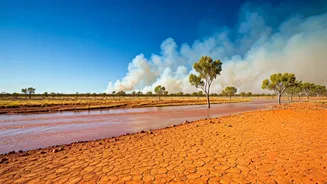
10 major bushfires, experienced a deluge of water from heavy rainfall on a Thursday. This double challenge prompted emergency responses and underscored the need for community preparedness. Emergency Management Commissioner Tim Wiebusch highlighted the extreme weather conditions, including a severe heat wave, catastrophic bushfires, and extreme flash flooding. He emphasized the importance of being ready for all types of emergencies. The declaration of a state of disaster on January 10th reflected the severity of the situation. This was after days of grappling with bushfires that had destroyed homes and claimed a life north of Melbourne, adding to the urgency of the response.
Flooding's Impact Unveiled
The flash floods in Victoria led to significant disruptions and displacement. The Great Ocean Road was cut off, and up to 300 people were forced to evacuate. Many of these individuals were holidaying at caravan camps, highlighting the impact on tourism and recreational activities. One child was injured and required an airlift to the hospital, emphasizing the potential for serious injuries during such events. The impact was visible even after the floodwaters receded. Two cars remained partially submerged under the ocean waves, close to the sandy coastline, serving as a stark reminder of the flood's power. Local authorities recorded an unprecedented 186 millimeters of rain within 24 hours in one area, illustrating the intensity of the downpour and its resulting impact on the surrounding environment. These specific details provide crucial insights into the human cost and physical damage inflicted by the flooding.
Emergency Services Response
In response to the combined threats, Australia's emergency services issued urgent warnings. They advised residents to stay prepared for sudden downpours and the persistent danger of bushfires across the country's eastern region. The fires had already caused extensive damage, destroying 289 homes and damaging an additional 18, along with hundreds of outbuildings. The warnings aimed to equip people with information and encourage proactive measures. The situation demanded an agile and coordinated response from emergency services, with a focus on both immediate relief and long-term recovery efforts. The alert served as a critical message, encouraging everyone to stay informed and vigilant in the face of ongoing environmental and safety risks. This highlighted the need for individuals to prioritize their safety and follow guidelines from the emergency services, to manage and navigate through the hazards.
Personal Accounts of Events
Firsthand accounts from those affected by the flooding provided poignant insights into the event's immediacy and intensity. One camper described the experience: "It was lightning fast and quiet too. There's no noise, just all of a sudden the water is up." Video and photo evidence from local news channels showcased a car being swept away through muddy waters near the Wye River, southwest of Melbourne. Another eyewitness, Matthew Stanhope, said, "It was raining, we were all in the tent playing cards with the gang, then we heard shouting." He, along with his companions, quickly relocated to a nearby hill. These personal narratives humanized the crisis, demonstrating the suddenness and chaos caused by the flash floods. These accounts highlighted how quickly the situation transformed and the urgent need for quick action and resilience.