
Commute Time Reality
The reality of daily commutes in several Asian cities is a significant time commitment, often impacting the quality of life for many residents. These extended
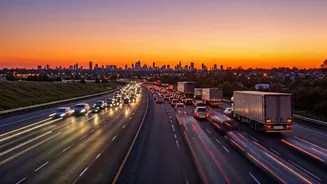
travel times are not merely an inconvenience; they can influence various aspects of people's lives, from their work-life balance to their physical and mental health. The causes behind these long commutes are multifaceted, often involving a combination of factors. Rapid urbanization is a primary driver, as the influx of people into cities strains existing infrastructure. This can lead to increased traffic congestion, particularly during peak hours, when roads become clogged with vehicles. Inadequate public transportation options further exacerbate the problem. When public transit is limited or inefficient, individuals are more reliant on personal vehicles, contributing to even greater congestion. Additionally, the spatial distribution of residential areas and workplaces plays a crucial role. If homes and jobs are far apart, commute times naturally increase, especially in cities where affordable housing may be located on the outskirts.
Factors Affecting Travel
Several intertwined elements contribute to the extended travel times in these Asian cities. Traffic congestion, as previously mentioned, is a dominant factor, especially in densely populated urban centers. The sheer volume of vehicles on the roads, coupled with bottlenecks at key intersections, creates significant delays. Poorly maintained or insufficient road infrastructure can also worsen congestion. Limited road capacity and the absence of efficient traffic management systems further compound the issue. Moreover, inadequate public transportation systems often force people to rely on private vehicles. In cities where the public transport network is underdeveloped or unreliable, the dependency on cars, motorcycles, and other personal vehicles increases, leading to more traffic. Furthermore, the geographical layout of a city and the distance between residential areas and workplaces play a vital role. In some cities, there is a mismatch between where people live and where they work. This often leads to increased commute times. The overall urban planning, or lack thereof, can exacerbate these problems.
Impacts on Life
The implications of lengthy commutes extend beyond just wasted time; they impact various aspects of daily life. The most evident effect is on work-life balance. Long commutes reduce the time available for leisure, family, and personal pursuits. This can lead to increased stress, fatigue, and decreased overall well-being. Studies have shown a correlation between long commutes and higher stress levels, which can manifest in various health problems. Reduced sleep, poor diet, and less time for exercise are common consequences. Long commutes may also affect social relationships. Less time at home can strain family dynamics. The constant exposure to traffic and the stress of commuting may lead to road rage, or other negative behaviors. Economic implications are also significant. Long commutes can increase the cost of transportation, as people spend more on fuel, maintenance, or public transport fares. This can affect the household budget and reduce disposable income. In the grand scheme of things, there are many impacts to consider.
Potential Solutions
Addressing the challenge of long commutes requires a multifaceted approach, focusing on improving infrastructure, enhancing public transport, and implementing urban planning strategies. Investing in infrastructure development, such as building new roads, expanding existing ones, and improving traffic management systems, is crucial. Smart traffic control technologies and real-time traffic updates can help mitigate congestion. Upgrading and expanding public transportation networks is vital. Investing in more efficient and reliable bus systems, metro lines, and railway networks can encourage people to shift from private vehicles to public transit. Integrating various modes of transport, such as providing seamless transfers between buses, trains, and subways, can improve the overall commuting experience. Furthermore, urban planning plays a key role. Policies promoting mixed-use developments, where residential, commercial, and recreational areas are located close to each other, can reduce commute times. Encouraging the decentralization of workplaces and promoting remote work opportunities can also help lessen the burden on transport systems.
10 Cities Examined
This section examines 10 Asian cities that grapple with long commutes, though specific data and rankings weren't provided in the prompt. Each city likely faces unique challenges and employs various strategies to manage its commute times. Some cities may have prioritized investment in public transport, such as subway systems, to alleviate congestion. Others may have focused on road infrastructure improvements, like building flyovers and widening roads, to enhance traffic flow. Urban planning policies, such as the development of satellite cities or the promotion of mixed-use developments, might have been implemented to reduce commute distances. Examining these strategies in different cities can provide valuable insights into effective solutions and the varying impacts of different policy approaches. Comparing these cities helps in understanding the diverse solutions available for handling the challenges related to long commutes.
Commuting's Future
The future of commuting in Asian cities depends on how they address the existing challenges. Sustainable urban development will be crucial, with a focus on efficient public transportation, smart city technologies, and a shift towards more sustainable transportation options like electric vehicles and cycling. Integration of technology plays a vital role in providing real-time traffic information, optimizing routes, and making public transport more convenient. Data-driven traffic management systems can help in reducing congestion. Furthermore, the adoption of flexible work arrangements, like remote work and staggered work hours, can significantly ease the pressure on transportation networks during peak hours. In the long term, cities should aim for more liveable, sustainable environments where commuting is reduced, and the focus is on creating communities where residents can access amenities and opportunities without wasting a great deal of time travelling.