





Launch Window Shifts
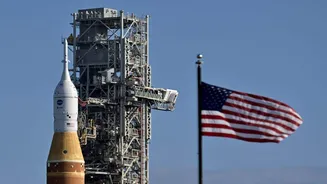
The much-anticipated return to lunar exploration via NASA's Artemis II mission has seen its launch date pushed back from February 8th. After meticulous
tests at the Kennedy Space Center in Florida, space agency officials announced that the earliest opportunity for the crewed flight test is now slated for March. This adjustment allows for a comprehensive review of data gathered during recent intensive testing, including a critical "wet dress rehearsal." NASA Administrator Jared Isaacman acknowledged that encountering challenges is expected, especially with significant gaps between Space Launch System (SLS) flights, emphasizing that such rehearsals are precisely for identifying and resolving issues before the actual mission. The decision to reschedule aims to ensure the highest probability of success for this historic undertaking, prioritizing the safety of the astronauts, the ground crew, and the complex systems involved in this pioneering journey back to deep space.
Fueling Rehearsal Challenges
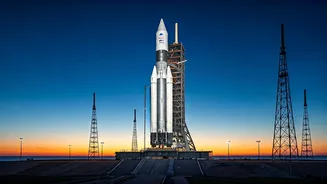
A "wet dress rehearsal" is a crucial procedure where NASA simulates the entire fueling process of the Space Launch System (SLS) rocket, meticulously monitoring every system at the Kennedy Space Center. During the early February rehearsals, teams worked diligently to troubleshoot a persistent liquid hydrogen leak detected at a core stage interface during the fueling sequence. This required deliberate pauses to allow equipment to warm up and adjustments to the propellant flow. Despite these hurdles, all core stage and interim cryogenic propulsion stage tanks were successfully filled, and the countdown proceeded to approximately T-5 minutes before an automatic halt was triggered due to an elevated liquid hydrogen leak rate. Beyond the leak, engineers also identified minor issues with the Orion spacecraft's extended closeout work and experienced intermittent dropouts in audio communication channels. The prevailing cold weather also contributed to a delayed start for tanking operations and affected the performance of some monitoring cameras, necessitating additional attention.
Astronauts' Quarantine Routine
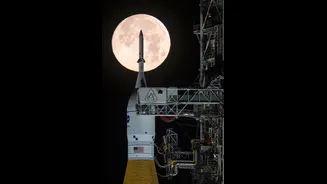
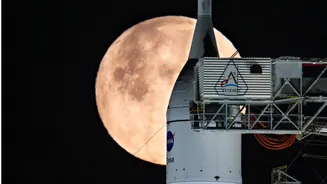
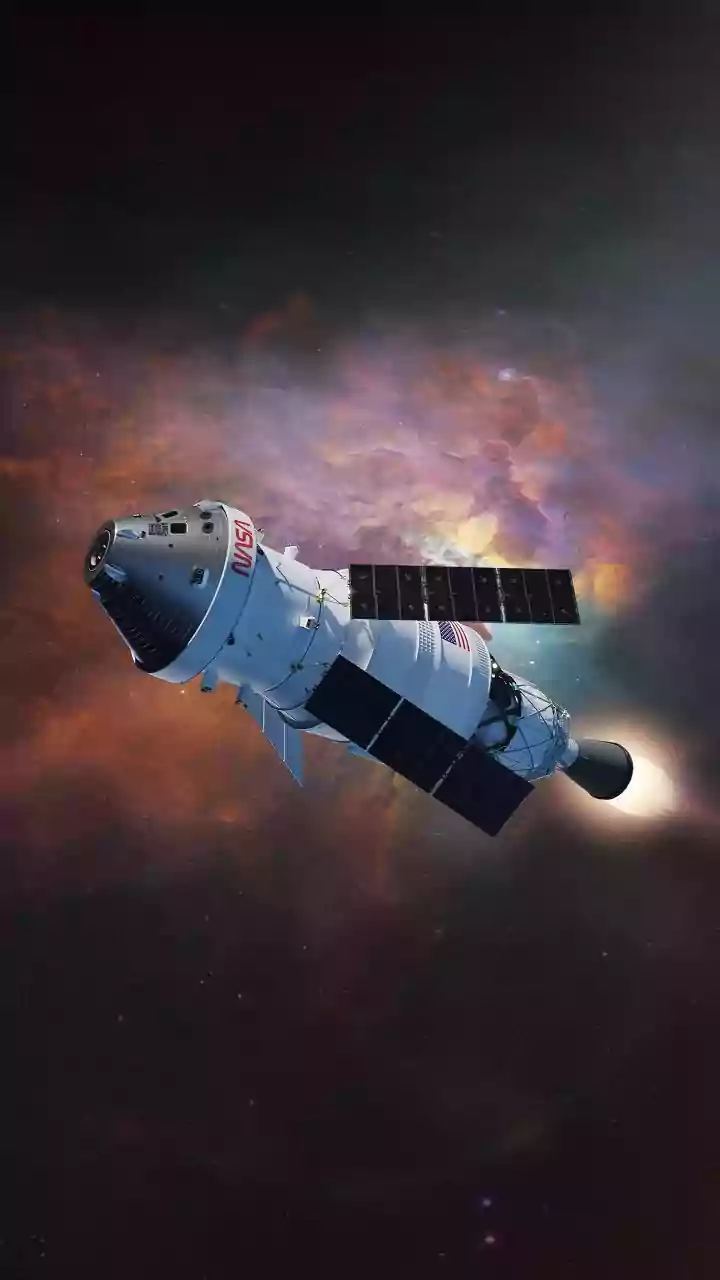
The four astronauts selected for the Artemis II mission – NASA's Reid Wiseman, Victor Glover, and Christina Koch, alongside Canadian Space Agency's Jeremy Hansen – will now be released from their initial quarantine period, which commenced on January 21st in Houston. This temporary release is part of a strategic adjustment to their preparation schedule. They are slated to re-enter quarantine approximately two weeks prior to the newly targeted launch window in March. This mission holds profound significance as it marks NASA's re-engagement with lunar exploration after a 54-year hiatus since the last Apollo landing. The crew will embark on a journey aboard the Orion spacecraft, venturing nearly 4,600 miles beyond the far side of the Moon without making a lunar landing. The primary objective of this mission is to rigorously test the spacecraft's sophisticated systems in the extreme conditions of deep space, laying the essential groundwork and gathering invaluable data for the eventual return of humans to the lunar surface.