




Trump's Tariff Threat
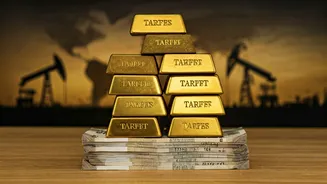
Former U.S. President Trump has recently indicated his intention to impose a 25% tariff on countries continuing to trade with Iran. This potential action
has created ripples of uncertainty across the globe, with several nations closely observing the unfolding situation. The announcement has triggered a wave of analysis and speculation about its potential impact on international trade dynamics. The possibility of such tariffs introduces considerable volatility in the market and could significantly affect established trade agreements and partnerships. The international community is preparing for various potential outcomes and assessing the appropriate strategies to mitigate the effects of this policy, should it be implemented.
India-Iran Trade Ties
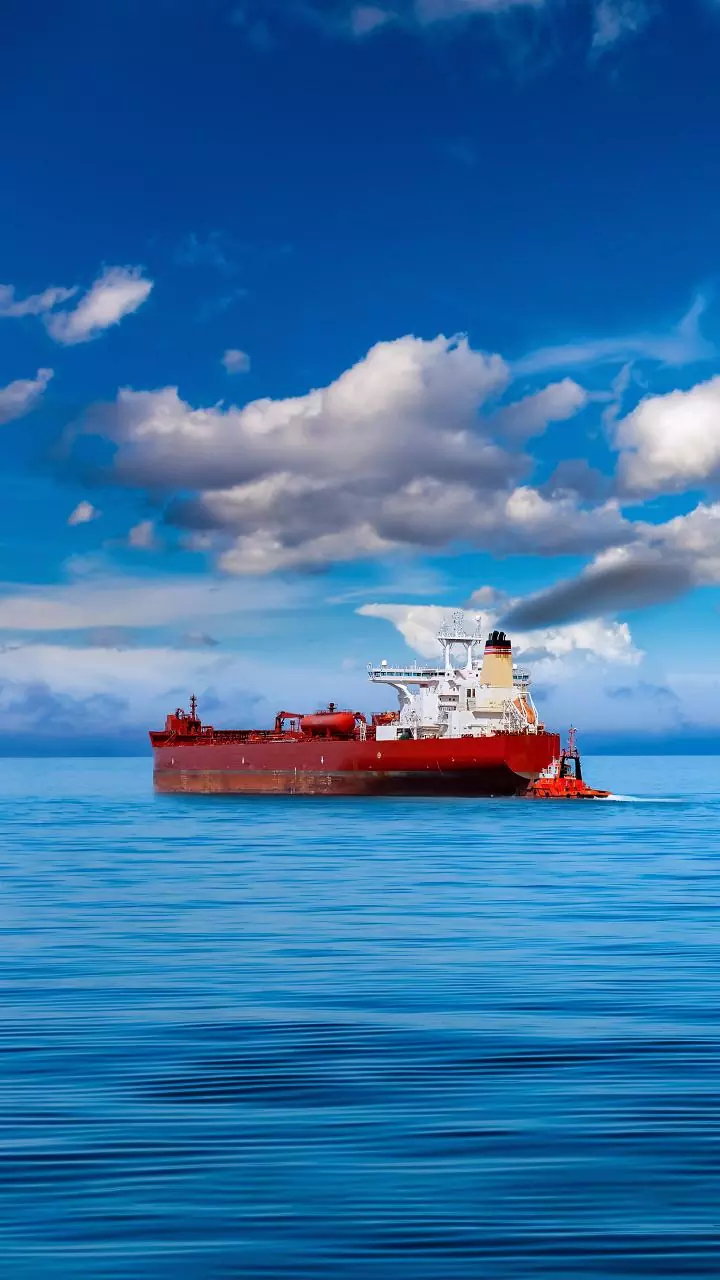
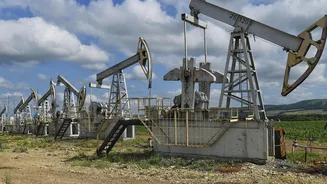
India and Iran have maintained a longstanding trade relationship spanning multiple sectors. Primarily, India imports crude oil from Iran, which is crucial for its energy requirements. Iran, in turn, imports a variety of goods from India. This reciprocal trade supports both economies, providing a source of vital resources and markets. The partnership has been particularly vital for India's energy security given Iran's considerable oil reserves. Beyond oil, the trade includes a variety of products, underscoring the broad-based nature of the economic ties between the two countries. The potential imposition of tariffs could disrupt this established flow, leading to economic complications for both nations involved.
Impact on India
The imposition of tariffs by the United States on countries trading with Iran could pose several challenges for India. The most immediate impact would likely be on the cost of importing Iranian oil. Higher costs for energy could translate to inflation, thereby affecting various sectors and everyday consumers. Furthermore, the tariffs could potentially lead to restrictions in trade, thereby impacting Indian exports to Iran and subsequently leading to a downturn in overall trade volumes. Additionally, India would have to consider re-evaluating its trade strategies to minimize potential losses. Companies trading with Iran would need to make difficult choices, and the government would be obliged to weigh the economic and diplomatic ramifications carefully. The financial implications are expected to be complex.
Geopolitical Implications
This potential move by the former U.S. President carries broader geopolitical implications. It may amplify existing tensions and influence the dynamics of international relations, particularly in the Middle East region. Such actions can put significant pressure on other countries and affect regional alliances and partnerships. It could also possibly lead to a reassessment of international trade policies, potentially prompting other nations to examine and adjust their economic strategies. The move could add instability to an already volatile global landscape, leading to further uncertainty in trade and diplomatic relationships. This development could reshape the global balance of power and alter relationships among significant nations.
Possible Responses
India has several potential avenues to navigate the situation. The country could engage in diplomatic efforts to negotiate with the U.S. and mitigate the effects of the tariffs. Diversifying its import sources for oil is another strategic move that could decrease dependency on Iran. Moreover, India may reinforce its partnerships with other nations that share similar economic interests, thereby establishing a more resilient trading network. The government could also consider implementing domestic policies aimed at absorbing some of the economic impact to help cushion its economy. India's strategy will need to incorporate a blend of diplomacy, diversification, and economic adjustments to successfully overcome the possible challenges.