






Liver Health Boost
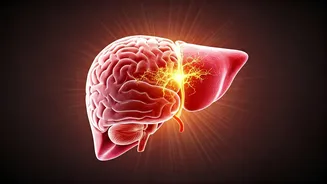
Embracing a daily routine of black coffee can yield remarkable advantages for your liver's well-being. Consistent consumption has been linked to a reduced
risk of developing serious liver conditions such as fatty liver disease, fibrosis, and cirrhosis, which involve the irreversible scarring of liver tissue. While not the sole method for maintaining a healthy liver, incorporating coffee into your diet is now recognized as a doctor-recommended practice for supporting this vital organ. This simple habit can contribute to a healthier internal environment, making it a valuable addition to a proactive health regimen.
Metabolic Surge
Coffee is a powerhouse of beneficial compounds, notably chlorogenic acid, which plays a crucial role in enhancing insulin sensitivity and optimizing your body's metabolic processes. Scientific studies indicate that these components can effectively trigger the nervous system, signaling the body to accelerate the breakdown of stored body fat. Furthermore, coffee acts as a natural appetite suppressant, a valuable trait for those aiming to manage their calorie intake effectively. By curbing hunger, it aids in maintaining a balanced diet and supporting weight management goals, making it a strategic ally in your wellness journey.
Cognitive Enhancement
The well-known stimulant, caffeine, found abundantly in coffee, offers a temporary but significant uplift in alertness, focus, and overall mental performance. While it's not a substitute for adequate sleep, its ability to sharpen cognitive functions is undeniable. Just as observed in popular medical dramas where professionals rely on coffee for sustained concentration during demanding tasks, caffeine can indeed provide the mental edge needed for complex activities. Even small doses, similar to those found in 200mg caffeine tablets, can be incorporated into daily routines to sustain mental acuity.
Digestive Harmony
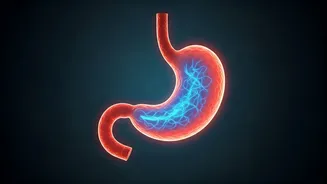
For many individuals, coffee serves as a catalyst for initiating bowel movements, with studies suggesting that a notable percentage of coffee drinkers experience this urge shortly after consumption. This effect is attributed to the presence of certain acids in coffee that elevate the levels of gastrin, a hormone essential for stimulating gut motility and promoting involuntary muscle contractions in the digestive tract. However, it's important for individuals with Irritable Bowel Syndrome (IBS) to exercise caution, as coffee can sometimes trigger adverse reactions like abdominal pain, diarrhea, or bloating. The expert recommends consuming one to three cups of black coffee daily, advising moderation or avoidance if experiencing palpitations, anxiety, acid reflux, or disrupted sleep. Crucially, the benefits are maximized when coffee is consumed without excessive sugar or processed creamers, which can negate its positive effects.