






A New Tariff Era
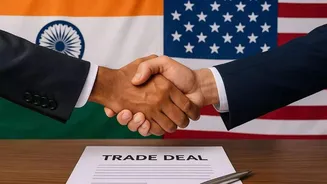
In a move that strengthens bilateral trade, Bangladesh and the United States have finalized a reciprocal tariff agreement. This pact effectively reduces
the United States' tariffs on goods imported from Bangladesh, bringing them down from a previous 20% to a new rate of 19%. The signing ceremony took place on a Monday evening, just a few days before Bangladesh's national elections, scheduled for February 12th. This crucial trade deal was the result of nine months of dedicated negotiations, commencing in April of the previous year. Representing Bangladesh at the signing were Commerce Adviser Sheikh Bashir Uddin and National Security Adviser Khalilur Rahman, while US Trade Representative Ambassador Jamieson Greer stood for Washington. This agreement is anticipated to foster deeper trade connections and offer substantial support to Bangladesh's immensely important garment industry, a cornerstone of its economy.
Zero Tariffs for Select Goods
Beyond the overall tariff reduction, the agreement introduces a particularly beneficial provision: zero reciprocal tariffs for specific categories of textile and apparel items. These special provisions apply to goods that are manufactured using either US cotton or man-made fibers. This initiative is designed to incentivize the use of American raw materials in Bangladeshi production, creating a mutually advantageous supply chain. Bangladesh's Commerce Adviser, Sheikh Bashir Uddin, lauded the pact as a 'historic step,' emphasizing its potential to unlock expanded market access for both trading partners. This forward-looking element of the deal is expected to drive increased exports and innovation within the textile sector, solidifying its competitive edge in the global market.
Boosting the Garment Sector
The implications of this tariff agreement for Bangladesh's garment sector are profound. National Security Adviser Rahman, who played a leading role in the negotiation process, expressed confidence that the revised tariff structure will significantly benefit exporters. He highlighted the agreement's potential to provide a major impetus to Bangladesh's prominent garment industry, which is a significant contributor to the nation's economy and employment. The Council of Advisers has officially endorsed the deal, and it is set to be implemented once both nations issue their respective notifications. This move is strategically timed, as election campaigning nears its conclusion. Regardless of the election outcome, the incoming government is expected to welcome this US tariff pact, which offers a critical advantage in the highly competitive US apparel market, where garments constitute nearly 95% of Bangladesh's exports.