

Coconut's Global Acclaim
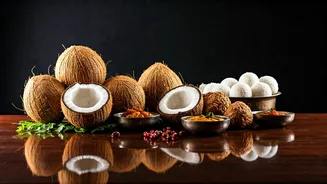
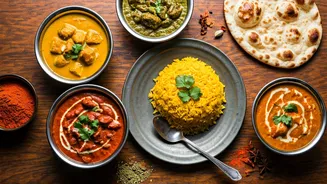
Coconut, a staple in many Indian dishes, has earned global recognition, with 12 Indian culinary creations standing out among the world's best. These dishes highlight
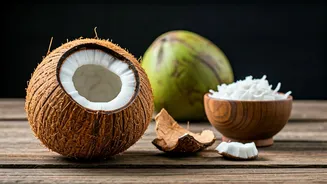
the importance of coconut in enhancing flavors and textures, showcasing the diverse applications of this tropical fruit in the kitchen. Coconut's presence adds a unique richness and aroma that elevates the overall dining experience, contributing to the dishes' widespread popularity. Its versatility allows it to be used in various forms, such as shredded, grated, or as coconut milk, each bringing a distinctive element to the final product. The acclaim these dishes receive underlines the significant role coconut plays in Indian culinary traditions, making each of these 12 dishes truly special and worth trying.
Diverse Culinary Creations
The 12 dishes featured in the global rankings encompass a wide range of culinary styles, from savory main courses to sweet desserts. The dishes provide a diverse experience that showcases the adaptability of coconut in different cooking techniques and flavor profiles. Each dish presents a unique combination of spices, herbs, and other ingredients, with coconut acting as a central ingredient that binds these flavors together. The variety includes creamy curries, tangy chutneys, and delectable sweets, each showcasing the versatility of coconut in Indian cooking. These diverse creations reflect India's regional variations and culinary practices, providing a comprehensive overview of how coconut is embraced across different parts of the country. This selection demonstrates the wide-ranging appeal and culinary possibilities that coconut offers.
Regional Indian Specialties
These 12 dishes highlight various regional specialties, showcasing how coconut is integrated into different Indian cuisines. The coastal regions, in particular, are renowned for their use of coconut in dishes like fish curries, where it provides a rich, creamy base that complements the seafood. Southern Indian states also have a strong affinity for coconut, using it extensively in dishes like coconut rice and various types of dosas and idlis, where it adds both flavor and texture. Beyond the coastal areas, coconut is used in sweets and desserts across the country. These regional variations demonstrate the cultural significance of coconut and how it is adapted to create unique and delicious dishes that represent the distinct food traditions of each region, making each dish a true reflection of its local culinary heritage.
Flavor Enhancing Techniques
Various cooking techniques are employed to highlight the flavors of coconut within these celebrated dishes. The coconut can be used in different forms, from fresh coconut flesh to coconut milk and oil, each bringing its unique element to the taste. In curries, coconut milk often forms the base of the gravy, providing a creamy texture and a subtle sweetness that balances the spices. When making sweets, grated coconut is a key ingredient, offering both texture and richness. Roasting or toasting coconut before adding it to dishes can bring out its natural flavors and enhance the overall taste. The cooking techniques not only highlight the flavor profile of the coconut but also add to the complexity and depth of each dish. By carefully employing these methods, chefs and home cooks can bring out the full potential of coconut, creating culinary experiences that are both delicious and memorable.
Coconut's Cultural Significance
Coconut holds deep cultural significance in Indian traditions, particularly in rituals, ceremonies, and everyday cooking. It is often seen as auspicious and is used in various religious practices to symbolize purity and prosperity. Breaking a coconut is a common practice at the beginning of important events, such as weddings and housewarmings, symbolizing the removal of obstacles. The use of coconut in food is also prevalent during festivals and celebrations, adding to the festive mood. It is considered a sacred offering, and its association with good fortune and well-being adds a layer of cultural depth to the dishes. The coconut is not merely a culinary ingredient; it is a symbol of tradition and is interwoven into the fabric of Indian life, making these 12 dishes much more meaningful.
Dish-by-Dish Exploration
This selection showcases how coconut is incorporated in unique ways, making each of the 12 dishes distinct. Some dishes might feature coconut milk, which creates creamy textures, while others use grated coconut, which offers a satisfying bite. Ingredients like curry leaves and mustard seeds combine with coconut to create an aromatic base that enriches various recipes. Regional variations introduce dishes like Kerala-style fish curry, known for its rich coconut milk base, and various South Indian sweets, which use coconut as a key ingredient. The variety extends to chutneys and sides, demonstrating the versatility of this ingredient. Every dish provides a special flavor experience, offering a comprehensive look at how coconut is used, making each of the 12 dishes stand out.
Pairing and Serving
Many of these coconut-based dishes are served with traditional accompaniments to enhance the flavors and dining experience. Rice, both plain and flavored, is a common pairing, absorbing the rich gravies and curries. Flatbreads like roti and paratha are also used, offering a great way to enjoy the dishes. For example, the sweetness of coconut curries pairs well with the slight acidity of a tamarind chutney, creating a perfect balance. Spiced accompaniments, like a vegetable salad, can help to cut through the richness of the dishes. The variety of pairings offers a complete culinary experience, highlighting the deliciousness of these dishes. By serving each dish with the suitable accompaniments, people can best enjoy the full range of flavors. This adds to the appeal of these coconut dishes.