






The Overnight Danger Zone
Many people prioritize a fresh morning breath, believing it's sufficient for oral cleanliness. However, a closer look reveals that the real damage to your
teeth can occur while you sleep. Dentist Aparna highlights that neglecting to brush at night leaves your mouth in a stagnant state for hours. During this prolonged period, without the natural cleansing action of saliva which significantly reduces during sleep, food particles and bacteria thrive unchecked. This environment fosters acid production, a primary culprit in enamel erosion and cavity formation. The focus on superficial freshness in the morning often masks the deeper, insidious damage accumulating overnight.
Why One Brush Falls Short
While a morning brush might leave your mouth feeling clean momentarily, it's largely ineffective in combating the prolonged bacterial activity that transpires overnight. Plaque, a sticky film of bacteria, begins to reform on teeth within hours of being brushed. Consequently, brushing only once a day, particularly in the morning, leaves your teeth vulnerable to bacterial proliferation for an extended duration. Clinically speaking, brushing before bed is non-negotiable. It serves the crucial function of eradicating the day's accumulated plaque and food debris, thereby significantly mitigating the overnight bacterial onslaught and offering superior protection.
Long-Term Oral Health Risks
The repercussions of consistently skipping nighttime brushing extend far beyond simple bad breath or immediate plaque buildup. Over time, persistent plaque hardens into tartar, a substance that cannot be removed through regular brushing and necessitates professional dental cleaning. This progression can escalate to more severe oral health problems, including gingivitis and periodontitis, a serious gum disease that can ultimately lead to tooth loss. Furthermore, the chronic inflammation associated with advanced gum disease has been increasingly linked to systemic health issues throughout the body, underscoring the far-reaching implications of neglecting this fundamental aspect of oral hygiene.
Embracing Preventive Care
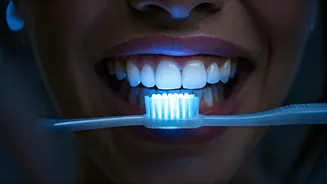
Achieving optimal oral health hinges less on occasional intensive cleaning sessions and more on the establishment of consistent, daily habits. The simplest yet most potent strategy for safeguarding your teeth and gums involves brushing twice a day, with a particular emphasis on the routine before bedtime. Utilizing fluoride toothpaste during these sessions further enhances the protective barrier against decay and gum disease. By making this nightly ritual a non-negotiable part of your routine, you actively engage in preventive care, ensuring a healthier smile and a healthier body for the long term.