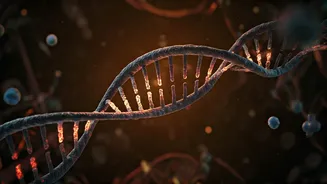








Genetic Blueprint for Life
Historically, the consensus leaned toward lifestyle being the primary determinant of how long we live. Factors such as diet, exercise, and environmental
exposures were seen as the major influencers. However, emerging scientific evidence challenges this long-held perspective, pointing towards a much stronger genetic influence. Scientists now believe that our genes are far more critical in determining lifespan than previously considered. This shift in understanding prompts a deeper look into the intricate ways our genetic makeup shapes our health and the aging process. Understanding this genetic blueprint is key to unlocking potential interventions for a longer, healthier existence. It could reveal targets for treatments or lifestyle adjustments tailored to an individual’s genetic predispositions.
Decoding Longevity Genes
The hunt is on for the specific genes that contribute to a longer life. Researchers are actively identifying and studying these 'longevity genes.' These genes are believed to influence various biological processes, including how efficiently our cells repair damage, fight off disease, and manage inflammation. Some genes appear to be more efficient at protecting cells from the effects of aging and diseases. Others might enhance the body's natural defenses, making it more resistant to environmental stressors. Pinpointing these genes gives scientists valuable insights into the mechanisms of aging, paving the way for targeted interventions that could potentially slow down the aging process and extend lifespan. Furthermore, it helps understand individual vulnerabilities and strengths.
Impact on Healthspan
The conversation around longevity has expanded to consider 'healthspan' – the period of life spent in good health. It's not just about living longer; it's about living well for longer. Genetic factors play a crucial role in this, impacting the onset of age-related diseases. Genes can influence our susceptibility to chronic illnesses like heart disease, Alzheimer's, and cancer. People with beneficial genetic variations are more likely to have a longer healthspan, potentially avoiding or delaying the onset of these debilitating diseases. This emphasis on healthspan underscores a shift toward preventative strategies and personalized healthcare approaches based on an individual's genetic profile.
Future Implications Unveiled
The evolving understanding of the genetic role in longevity opens exciting possibilities for the future. Gene editing technologies may be used to alter genes to promote healthier aging. Scientists are also exploring how lifestyle interventions can interact with our genetic predispositions. This could lead to personalized health plans. Genetic research will help identify people who are at higher risk of age-related disease. This allows for earlier interventions. As research continues, the integration of genetic information into healthcare practices is set to increase. It will shift the focus to proactive health management and preventative care. The prospect of living longer, healthier lives is becoming increasingly attainable.