





Melting Ice Concerns
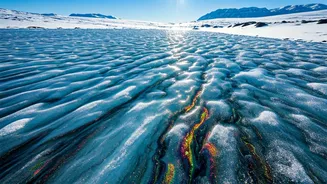
The rapid melting of Greenland's ice sheet is a significant indicator of global climate change, and has widespread consequences for the world. As the ice melts,
it contributes to rising sea levels, posing a threat to coastal regions globally. The melting also affects ocean currents, which can disrupt weather patterns and ecosystems around the world. Scientists and environmentalists have been monitoring the ice melt and researching its implications. Greenland's ice sheet holds a significant amount of freshwater, and its continued melting will have a domino effect on the environment, leading to increased coastal erosion, flooding, and the displacement of communities living near the ocean. The rate of melting has increased in recent years, prompting international discussions and initiatives to mitigate climate change and its impact. This melting ice is a potent reminder of the need for urgent action to address the global climate crisis.
Rare Earth Elements
Beneath Greenland's ice lie significant deposits of rare earth elements, vital for manufacturing high-tech products like smartphones, electric vehicles, and renewable energy technologies. The extraction of these minerals represents significant economic opportunity but poses environmental challenges. Mining operations could potentially disrupt fragile ecosystems and the island's unique environment. Access to these resources has intensified the competition among nations, with countries like the United States showing increasing interest in securing access to these critical minerals. Greenland itself has a complex relationship with these resources, weighing the potential economic benefits against the environmental impacts and the desire to control its own resources. The race for rare earth elements in Greenland is intertwined with geopolitical strategies, as nations seek to bolster their technological competitiveness and reduce dependence on other countries for these vital resources, driving an unprecedented level of international interest in the region.
Geopolitical Dynamics
The United States and other countries have expressed growing interest in Greenland, positioning it as an area of strategic significance due to its location and resources. The US has been involved in discussions and initiatives related to Greenland, including those concerning its defense, economic development, and access to resources. Greenland's location in the Arctic is also strategically important, particularly in the context of emerging geopolitical dynamics. The country is an autonomous territory within the Kingdom of Denmark, and the relationship between Greenland, Denmark, and other nations like the US is evolving. The US-NATO discussions about Greenland reflect its strategic importance. The situation highlights the complex interplay of environmental, economic, and security interests in the region. Greenland is becoming a significant player in the new global power race, and its role will continue to evolve as international competition for resources and influence intensifies.