




A Taste of Tradition
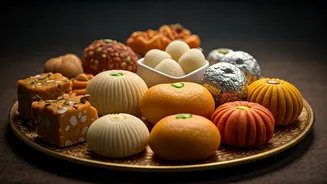
Bengal's unparalleled love affair with sweets, or 'mishti,' is deeply ingrained in its cultural fabric, offering a sweet for every conceivable occasion
and budget. These confections transcend mere dessert, acting as expressions of emotion, markers of ritual, and symbols of heritage. The region's historical abundance of sugarcane, coupled with indigenous sugar production from Palmyra palm trees and cultivated crops, laid the foundation for this vibrant sweet culture. From the everyday rosogolla enjoyed after exam success to elaborate wedding trousseaus featuring intricately molded 'tatwa mishti,' these treats are fundamental to Bengali life. The very existence of mishti is intertwined with sociality, going far beyond basic nutritional needs or logical consumption patterns. The elevated status of some mishti means they are not just eaten but are considered integral components of significant life events, underscoring their profound cultural importance and the artistry involved in their creation.
Crafting Sweet Legacies
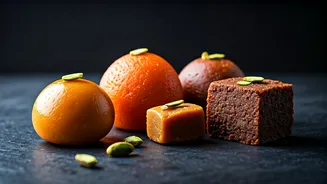
The evolution of Bengal's mishti is intrinsically linked to a symbiotic relationship between patrons and artisans, often initiated by affluent individuals commissioning unique sweets for specific events or esteemed guests. This dynamic fostered innovation and the development of iconic treats. The introduction of chhena, or milk curd, a relatively recent phenomenon dating back to the 16th century with the arrival of Portuguese and Dutch traders, revolutionized sweet-making. Previously, chhena was primarily used in savory dishes, but colonial contact brought refined white sugar and advanced crystallization techniques. This combination with chhena, which became smoother and more malleable, transformed it into an ideal base for shaping, infusing, and folding into delicate desserts, paving the way for popular items like sandesh and rosogolla. This transformation highlights how external influences and local ingenuity merged to create a distinct and enduring culinary art form.
Gendered Confections
The mishti industry in Bengal, despite its widespread appeal, is notably gendered, with traditional roles often excluding women from key artisanal positions. Historically, the demanding nature of sweet production, which frequently requires working through the night to align with milk and chhena supply chains, led to a preference for male artisans. This practice has meant that women, even those from families with a history in the sweet trade, such as the author's own family, have had limited opportunities to inherit and continue these businesses. Understanding the politics of labor, gender, and craft is therefore essential to fully appreciating the complexities of mishti making. This gender imbalance not only affects who creates these sweets but also influences the perpetuation of traditional techniques and the broader economic landscape of the industry.
Historical Sweet Stories
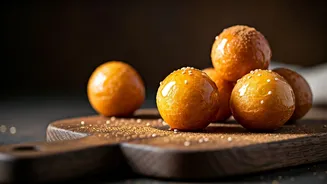
Many of Bengal's most celebrated mishti are accompanied by fascinating origin stories, often tied to significant historical figures or events. For instance, the syrupy, deep-fried Ledikeni was specifically created by the renowned confectioner Bhim Chandra Nag in 1856 to commemorate the visit of Lady Charlotte Canning, the wife of the then Governor-General. While similar sweets may have existed, this dedication bestowed a unique identity upon the treat, ensuring its lasting fame. Similarly, the sandesh family boasts variations like the 'Nehru sandesh,' crafted in honor of lawyer-activist Motilal Nehru's visit to Kolkata in the late 1920s, and 'Ashubhog sandesh,' dedicated to the distinguished mathematician and lawyer Ashutosh Mukherjee. These legends imbue the sweets with historical resonance, transforming them from mere confections into edible pieces of cultural narrative.
Artistry and Innovation
The artistry of mishti extends beyond taste and history to encompass visually stunning presentations, particularly in the elaborate 'tatwa mishti' platters prepared for weddings and special occasions. These decorative arrangements, priced between ₹1,000 and ₹5,000, showcase a remarkable level of creativity, with sweets molded into intricate shapes like fish, butterflies, conch shells, brides and grooms, and even palanquins. One extraordinary example includes a platter meticulously crafted to resemble a woolen shawl, complete with faux embroidery. These bespoke creations serve not only as status symbols but also as a dynamic platform for sweetshops to display their innovative skills and craftsmanship. Contemporary sweetmakers are also pushing boundaries by experimenting with modern flavors such as lemon, coffee, strawberry, and avocado, alongside developing sugar-free options, demonstrating the industry's continuous adaptation.
Challenges Ahead
The enduring legacy of Bengal's mishti faces contemporary challenges that threaten its diversity and quality. The increasing ubiquity of 'nolen gur,' a prized liquid jaggery traditionally available only in winter, is a direct consequence of climate change and over-harvesting, leading to a noticeable decline in its quality and subsequently impacting the production of nolen gur-based sweets. Concurrently, the quality of milk, a fundamental ingredient, is also deteriorating. Perhaps the most significant concern is the shrinking number of 'karigars,' or skilled artisans, essential for a craft that demands decades of dedicated learning and refinement. These compounding issues raise questions about the future of mishti, with the possibility of losing certain variants altogether, though the industry's history suggests an innate capacity for innovation in the face of adversity.