

A Historic Agreement
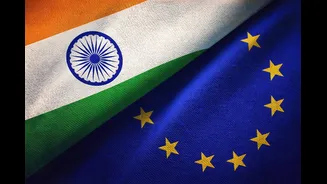
After twenty years of discussions, India and the European Union have finalized a pivotal trade agreement. This arrangement is set to redefine the economic
relationship between the two entities. The deal has the potential to drive substantial shifts in the flow of goods and services, ushering in a new era of economic cooperation. The agreement's impact will be felt across multiple sectors, impacting everything from the prices of luxury goods to essential medicines. This monumental pact signifies a strategic alliance that is expected to foster economic growth and collaboration on a global scale.
Timing of the Deal
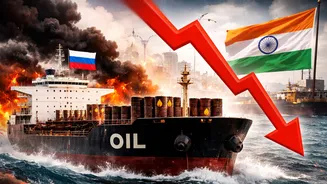
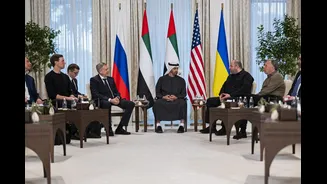
The timing of this trade deal is particularly noteworthy, emerging amidst a dynamic global economic climate. The agreement was celebrated by Canada, who saw it as a response to tariff-based economic coercion by global powers, indicating a push towards diversified trade alliances. The US Treasury Secretary expressed some concern, voicing apprehension about the deal's potential indirect financial implications related to the ongoing Russia-Ukraine war. The concurrence of these perspectives adds layers of complexity to the trade deal's narrative, underscoring its significant relevance to present-day international trade and geopolitical dynamics.
Benefits for India
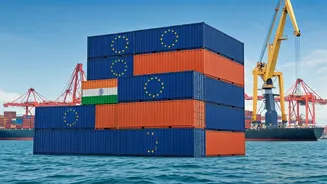
The India-EU trade agreement promises substantial benefits for Indian exporters. The deal is structured to facilitate increased market access, easing the path for Indian goods to reach European consumers. The reduction of tariffs is a key component, making Indian products more competitive in the EU market. This arrangement is set to stimulate economic growth and boost export volumes. The advantages extend to a diverse range of sectors, encouraging innovation and creating new opportunities for Indian businesses and driving significant economic gains. This collaborative effort demonstrates a commitment to open markets and international trade.
Impact on Prices
Consumers in India can anticipate shifts in the pricing of various goods due to this trade agreement. Luxury cars, fine wines, and pharmaceuticals are among the items expected to see price adjustments. It is anticipated that the cost of weight loss drugs and life-saving medicines will be influenced. This implies an easier accessibility of important items for the public. The changes will not be uniform, as prices across various categories will be impacted at different levels, influenced by factors such as tariff reductions and supply chain efficiencies. These changes will influence the consumption patterns and lifestyles of Indian consumers, representing a noticeable effect of the agreement.
Global Perspectives
The India-EU trade deal has drawn reactions from multiple global entities. Canada has lauded the agreement, seeing it as a countermeasure against tariff-based economic pressure. Concerns have surfaced from the US, with criticism regarding potential financial ties to the Russia-Ukraine war. These contrasting viewpoints reflect the complex geopolitical backdrop against which this agreement takes place. International trade is often subject to varied perspectives, making it crucial to assess the deal's implications from multiple vantage points. The agreement is sure to fuel dialogues on international economic relations and global trade strategies.