
Unexpected Winter
Saudi Arabia, a nation typically associated with arid desert landscapes and scorching temperatures, has recently witnessed an extraordinary shift in its
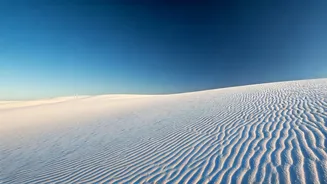
weather patterns. The familiar golden sand dunes, iconic of the region, have been dramatically transformed into unexpected slopes, perfect for snow skiing. This unexpected transition has captured the attention of both residents and the global community. The phenomenon raises questions about the meteorological factors that have contributed to this uncharacteristic snowfall. It represents a significant departure from the region's typical climate profile and has introduced a unique element of winter sport to the area.
Snowfall Explained
The occurrence of snowfall in Saudi Arabia is attributable to several key meteorological factors. Cold air masses, often originating from northern regions, converge with moisture-laden systems, contributing to precipitation in the form of snow. Atmospheric conditions, including the positioning of jet streams and the presence of low-pressure areas, play a critical role in facilitating these winter weather events. These interacting climatic elements, combined with specific geographical characteristics, create the conditions necessary for snow to accumulate on the traditionally warm desert sands. While snowfall events in Saudi Arabia are rare, they are usually the result of a precise alignment of atmospheric circumstances.
Impact and Reactions
The rare snowfall has had a profound impact on the local population and visitors. The sudden transformation of the landscape has led to a surge in interest in winter sports like skiing and snowboarding. Social media is now filled with images and videos showcasing the unique scenes. Furthermore, the local economy has likely benefited from increased tourism, with people traveling to experience this unusual weather. This unexpected winter spectacle has created a festive atmosphere. The overall reaction among locals and tourists reflects a sense of excitement and wonder at the unexpected gifts of nature.
Long-Term Implications
The snowfall in Saudi Arabia, while a fascinating and engaging event in the short term, also raises pertinent questions about potential long-term climate implications. The frequency and intensity of extreme weather events, including snowfall, can be indicators of broader shifts in global climate patterns. Scientists and meteorologists are likely to analyze the data from this event to better understand its connection to the overall climate trends. Understanding the context of changing climates is essential for long-term planning. The focus will be on studying how the local climate is evolving, and it may require measures to mitigate future impacts and enhance preparedness for extreme weather events.