



Core Ingredient Essentials
At the very foundation of Indian cooking lie several core ingredients that give a dish its unique identity. Rice, a staple, comes in various forms, including
long-grain basmati and short-grain varieties, each offering a different texture and aroma. Lentils, also known as dals, form the base of numerous dishes, providing protein and a hearty base. Commonly used are masoor dal (red lentils), chana dal (split chickpeas), and urad dal (black lentils). A wide variety of fresh vegetables are also essential, with potatoes, onions, tomatoes, and spinach often featuring prominently. Dairy products, such as ghee (clarified butter), yogurt, and paneer (Indian cheese), add richness and creaminess. The quality of these foundational components significantly influences the overall taste and authenticity of the final product. These are not just ingredients, but building blocks of flavor, tradition, and a legacy of culinary art.
Spice Cabinet Symphony
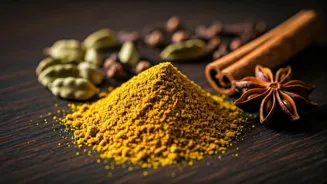
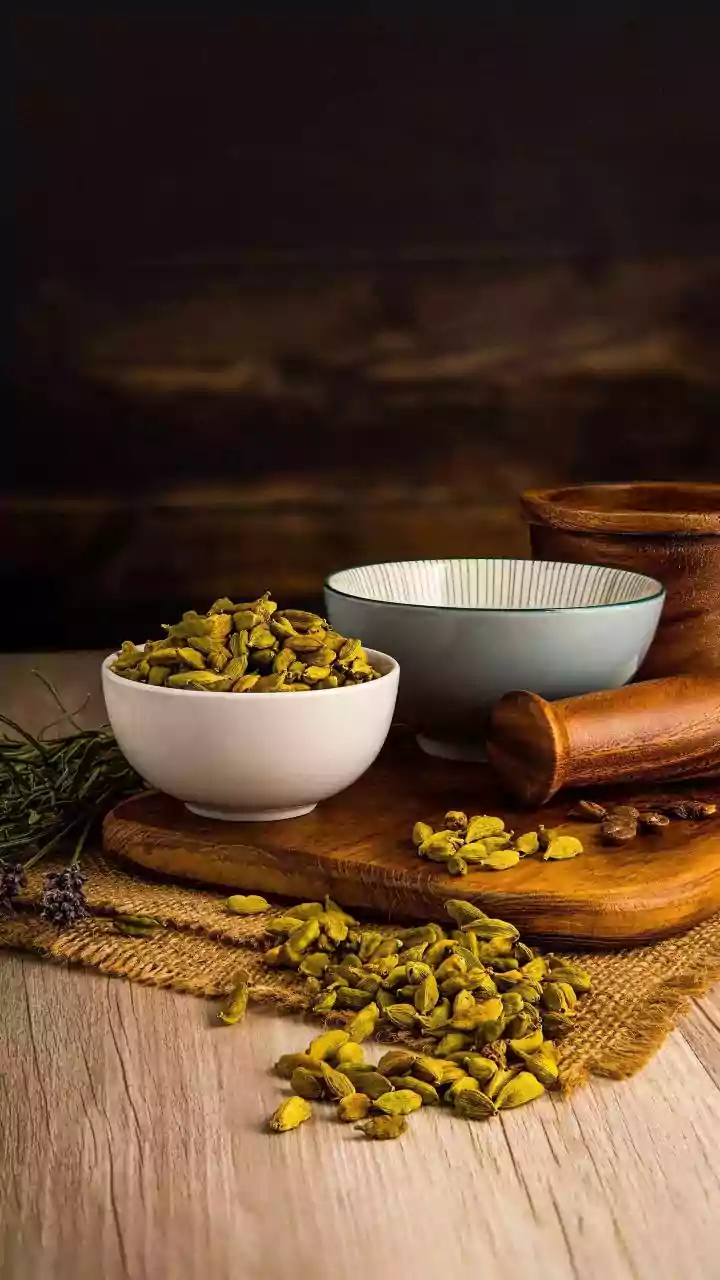
Spices are undeniably the heart of Indian cooking, with a myriad of aromas and flavors that transform simple ingredients into culinary masterpieces. Essential spices include turmeric, known for its vibrant color and health benefits, cumin, which lends an earthy note, coriander, adding a fresh citrusy essence, and chili powder, for heat. Garam masala, a complex blend, frequently features in finished dishes, enhancing their overall flavor profile. Other key components include mustard seeds, used for tempering, asafoetida (hing), which has a pungent aroma and is often used to improve digestion, and fenugreek seeds, providing a subtle sweetness and aroma. The meticulous use of spices is what differentiates regional cuisines; combinations vary to create specific tastes, with each region's unique combination adding depth and complexity.
Tadka: The Tempering
Tempering, or tadka, is a fundamental technique that releases the flavors of spices and oils, adding a delicious depth to dishes. This technique involves heating oil or ghee and adding spices, usually mustard seeds, cumin seeds, and asafoetida, and allowing them to sizzle and bloom. The hot oil then releases the flavors of the spices, and this fragrant mixture is typically poured over a dish, such as lentils or vegetables, at the end of the cooking process. This simple procedure elevates the flavors, infusing dishes with a signature fragrance and taste that distinguishes Indian cuisine. The timing and order of the spice addition are essential, as different spices release their flavors at varying temperatures. Mastering the art of tadka is essential for achieving authentic Indian flavors.
Cooking Methods Demystified
Traditional Indian cooking employs several techniques, each contributing to the variety and complexity of dishes. One of the most notable is the use of the tandoor, a clay oven used to cook marinated meats and breads, resulting in smoky and charred flavors. Methods like braising, used in dishes like rogan josh, involve slow-cooking meats in a rich gravy, allowing flavors to meld. Stir-frying is common in dishes like vegetable curries, where vegetables are quickly cooked over high heat. The art of slow-cooking is essential for creating dishes with rich and complex flavors. Frying methods also play a significant role: shallow frying for preparing snacks and deep-frying for crispy treats. These various techniques, when combined, showcase the broad range of textures and tastes that define Indian cuisine.
Regional Cuisine Diversity
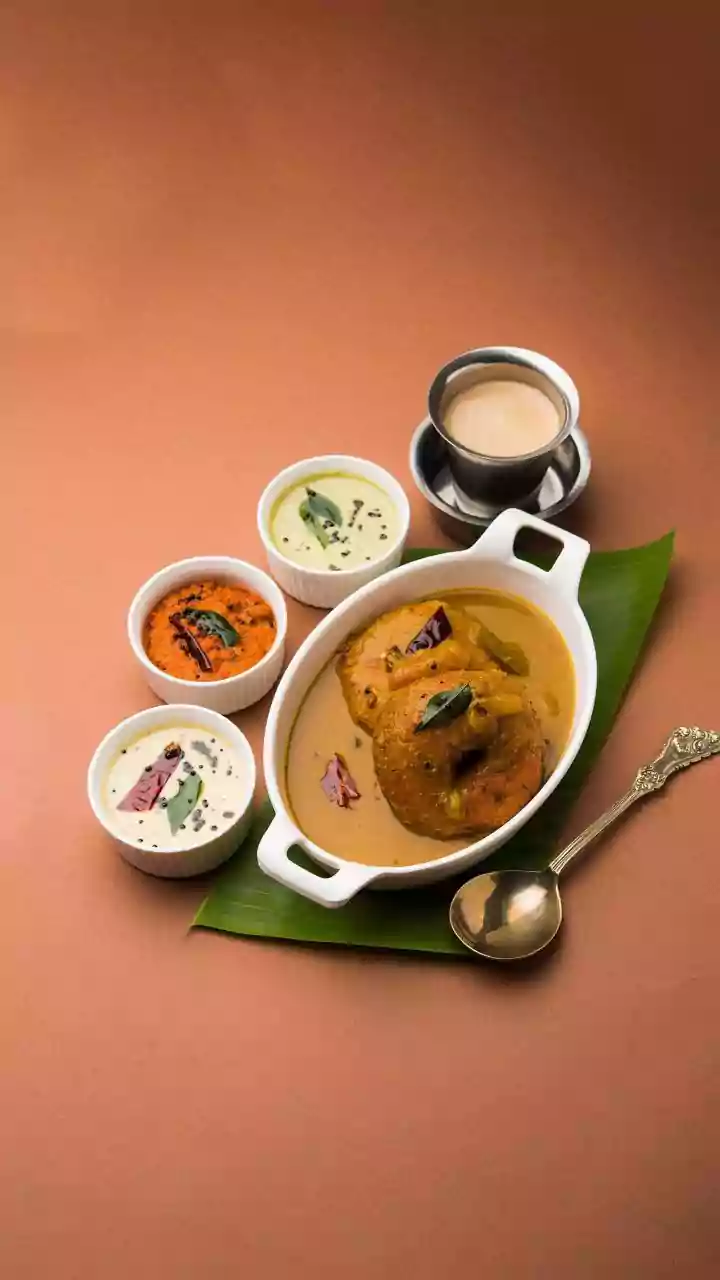
India's diverse culinary landscape is reflected in its regional cuisines, with each region offering a distinct flavor profile. North Indian cuisine often features rich, creamy curries, with popular dishes such as butter chicken, and a variety of breads, like naan and roti. In contrast, South Indian cuisine leans towards lighter, more flavorful dishes, using ingredients like coconut, tamarind, and spices. It is recognized for dishes like dosas and idlis. East Indian cuisine reflects a blend of Bengali, Oriya, and Assamese flavors, often featuring fish and unique spice blends. West Indian cuisine, encompassing Maharashtrian and Gujarati cuisines, shows off various vegetarian dishes and snacks, like vada pav and dhokla. This regional diversity is a testament to India's rich cultural history and varying climates, adding a layered richness to its culinary traditions.