







Current Weather Overview
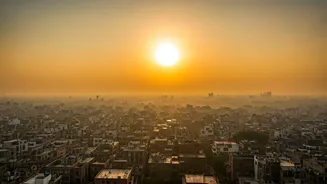
The weather forecast for Delhi indicates sunny skies, accompanied by mild temperatures, providing a pleasant outdoor experience. The IMD's advisory signals
a continuation of the cold wave, potentially causing additional discomfort across the region. While the clear skies offer visibility, the persistent poor air quality levels cast a shadow on the overall environmental health conditions. Residents should consider the weather to be inviting, but they must also be mindful of the impact of the prevailing pollution levels on their overall health and well-being. This creates a dichotomy, where the sun shines, but the air quality is not optimal.
Poor Air Quality Concerns
Despite the sunny conditions, the most pressing issue remains Delhi's concerning air quality. The AQI continues to register poor levels, representing a significant health risk for citizens. Breathing polluted air can cause a range of respiratory issues and potentially worsen existing health conditions. The ongoing cold wave adds another layer of complexity. It can trap pollutants, further deteriorating air quality. It is crucial for vulnerable populations, including the elderly, children, and those with respiratory ailments, to take precautions. The government and associated agencies must continue to monitor air quality data and issue timely advisories, advising citizens about appropriate protective measures. These could include limiting outdoor activities, wearing masks, and using air purifiers, to reduce health risks.
IMD Yellow Alert
In light of the cold wave gripping Delhi-NCR, the IMD has issued a yellow alert. This alert indicates the likelihood of harsh weather conditions that may disrupt daily life. The cold wave, in conjunction with the poor AQI, is expected to intensify the challenges faced by Delhi residents. Such alerts serve as important warnings, prompting necessary preparations. The public is advised to take appropriate precautions. These include staying indoors as much as possible, especially during peak pollution hours, wearing warm clothing, and drinking plenty of fluids. This helps to mitigate the negative health impacts and ensure the public's well-being. Proper safety precautions are crucial during the duration of the alert to avoid any serious incidents.