





Instant Water Heating
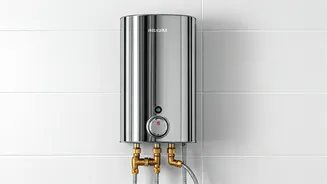
When selecting a geyser, it's essential to consider its heating efficiency. This feature dictates how quickly the geyser can provide hot water. Instant
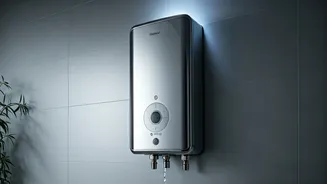
geysers generally heat water very quickly, making them suitable for smaller households or those with limited hot water needs. These types of geysers often offer a continuous supply of hot water, which is convenient. However, they may consume more energy compared to storage geysers. Factors such as wattage and the type of heating element influence the speed at which the water heats up, impacting both convenience and energy consumption. Always check the geyser's specifications regarding heating time to ensure it aligns with your usage patterns.
Safety Feature Check
Safety features are vital when buying a geyser. Look for geysers equipped with multiple layers of protection to prevent accidents. Key features include a thermostat that prevents overheating, a thermal cut-out that automatically shuts off the power if the temperature gets too high, and a pressure release valve to manage excessive pressure within the tank. Some geysers also have a shock-resistant design, adding another layer of security. Always verify if the product is ISI certified, indicating that it adheres to Indian safety standards. Furthermore, consider models with child safety locks to prevent unintentional use and potential hazards.
Size and Capacity
Choosing the correct size and capacity of a geyser is essential for meeting your household's hot water needs efficiently. The water capacity needed depends on the number of members in your family and how much hot water each person requires daily. For small families or individuals, a geyser with a capacity of 10-15 liters is usually adequate. Larger families may need geysers with 25 liters or more. Consider your bathing habits and the use of hot water for other purposes, like washing dishes or laundry, when determining the ideal capacity. Ensure that the geyser's dimensions fit comfortably in your bathroom space, as this can affect placement and ease of use. Remember to pick a geyser that matches your needs perfectly to avoid energy wastage.
Energy Efficiency Rating
Energy efficiency is a crucial factor when selecting a geyser, as it directly impacts your electricity bill and environmental impact. Look for geysers with high-energy efficiency ratings, often indicated by star ratings from regulatory bodies. Higher-rated geysers are designed to consume less energy while providing the same amount of hot water, leading to long-term savings. Consider features like efficient insulation, which minimizes heat loss and reduces the need to reheat water. Digital thermostats and smart controls can further help in optimizing energy usage by allowing you to set specific temperatures and operating times. Choosing an energy-efficient geyser is not only good for your pocket but also contributes to sustainable living by reducing carbon emissions.
Tank vs Tankless
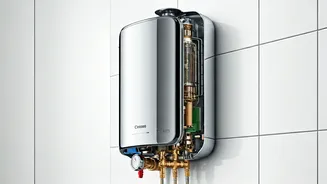
Geysers are primarily classified into two types: tank and tankless. Tank geysers store hot water in a tank, offering a ready supply of hot water at any time. They are suitable for households that require hot water at multiple points simultaneously. However, they may experience heat loss and consume energy to maintain the water temperature in the tank. Tankless or instant geysers heat water on demand, offering energy efficiency by only heating water when needed. They are compact and eliminate standby heat loss. But, they might struggle to supply hot water simultaneously to multiple taps. Consider your specific needs and usage patterns to decide which type best suits your home and preferences.
Material and Build
The construction materials of a geyser significantly affect its durability and longevity. The tank material is particularly critical; stainless steel is often preferred because of its rust resistance and extended lifespan. Enamelled steel tanks are another option, providing good corrosion protection. Ensure the tank is well-insulated to minimize heat loss and maintain water temperature efficiently. The heating element should also be durable and resistant to scaling, which can reduce its efficiency over time. Consider the overall build quality and warranty offered by the manufacturer to ensure you select a geyser that will provide years of reliable service.
Design and Aesthetics
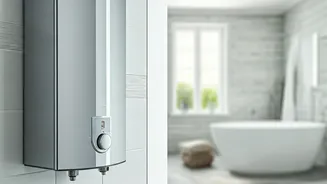
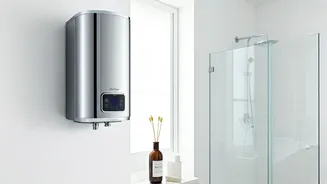
While functionality is paramount, the design of a geyser can complement your bathroom's aesthetic appeal. Modern geysers come in various designs, from sleek and compact units that save space to more traditional models. Consider the colour and finish of the geyser to match your bathroom decor. Some geysers feature digital displays, which provide easy temperature control and operational status updates. The design should not only be aesthetically pleasing but also practical, ensuring easy access to controls and maintenance. Choosing a geyser that blends well with your bathroom's style enhances the overall appearance of your space, elevating your daily routines.
Brand and Reviews
Choosing a reputable brand can assure quality and reliability. Research well-known brands that have a solid reputation for producing durable and efficient geysers. Read customer reviews and ratings to gather insights into the real-world performance of the geyser models you are considering. Online reviews often reveal information about the geyser's performance, ease of use, and customer service experiences. Check for certifications and awards that validate the product's quality and compliance with safety standards. Consider warranty details, as it reflects the manufacturer's confidence in the product's longevity. Make informed decisions by leveraging the experiences of other users.
Installation and Maintenance
Proper installation and regular maintenance are critical for ensuring your geyser's optimal performance and lifespan. Professional installation is often recommended to ensure that the geyser is set up correctly and safely. Make sure you understand the installation requirements of your chosen model. Regular maintenance, such as flushing the tank to remove sediment and checking the anode rod (in storage geysers) for corrosion, can prevent potential issues. Consult the manufacturer's guidelines for specific maintenance instructions and recommended service intervals. Promptly address any issues or leaks to prevent damage and extend the geyser's service life, ensuring a reliable hot water supply for years.
Price and Budget
Setting a budget is essential when shopping for a new geyser. The prices of geysers can vary significantly based on their features, capacity, energy efficiency, and brand. Determine your budget beforehand to narrow down your options and avoid overspending. Compare prices from different retailers to find the best deals. Don't base your decision solely on the price; consider the long-term value, including energy efficiency and durability. Explore financing options or installment plans if available, to make the purchase more manageable. Remember that investing in a high-quality geyser with the right features can be a cost-effective choice in the long run, reducing energy bills and maintenance costs.