




A Culinary Overview
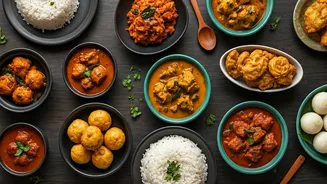
Bengali cuisine, renowned worldwide, is characterized by its complex flavors, often combining sweet, sour, and spicy notes. It is heavily influenced by the
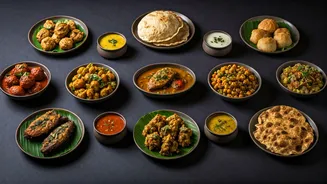
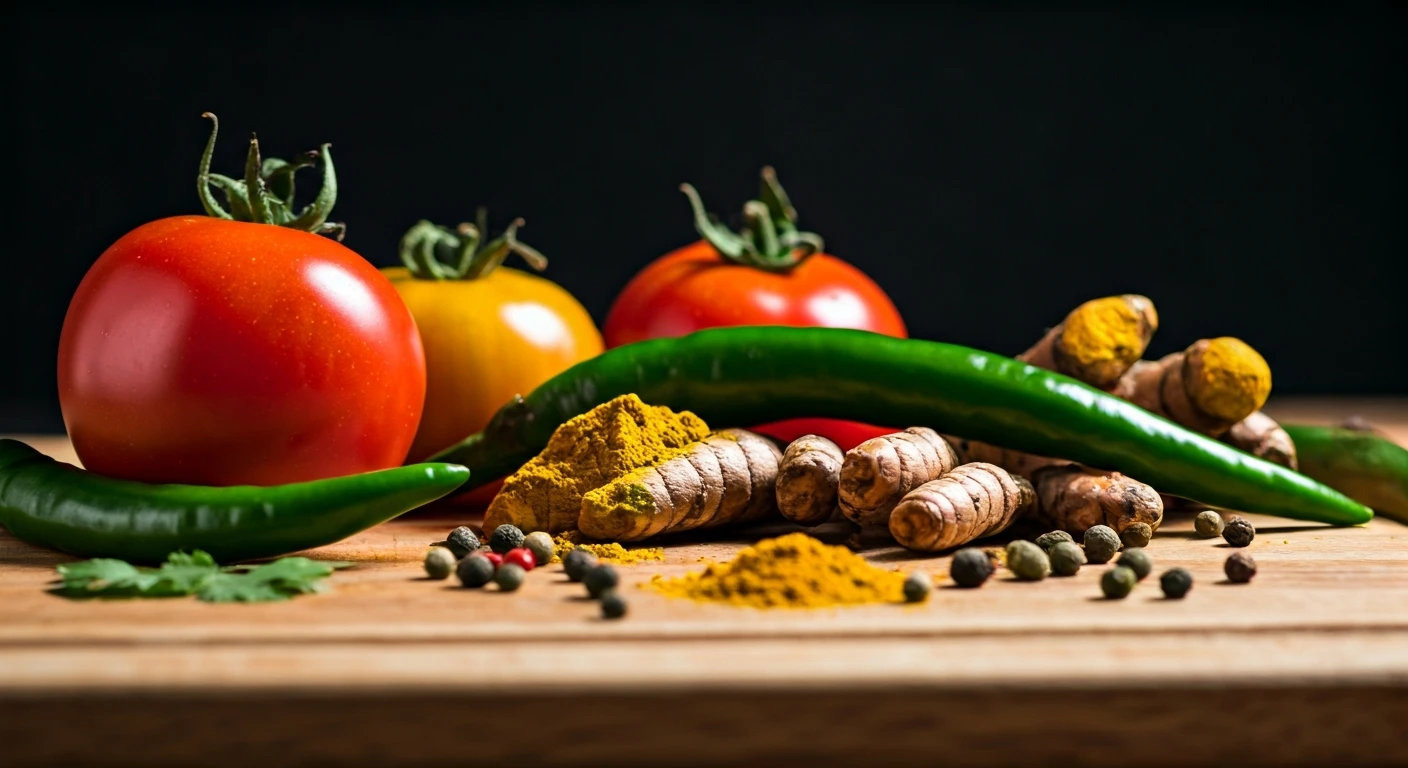
region's geography, with an abundance of rice, fish, and seasonal vegetables. The use of mustard oil and a unique blend of spices, including turmeric, cumin, and coriander, further defines its distinctive taste. The dishes range from simple everyday meals to elaborate festive preparations. Many dishes showcase the cultural exchange over centuries, particularly with the Mughals and the British. The emphasis on fresh ingredients and traditional cooking methods is integral to maintaining the authenticity of the food. Bengali cuisine is more than just food; it is an expression of the region's cultural identity and history, providing a rich and diverse culinary experience.
Fish Curry's Popularity
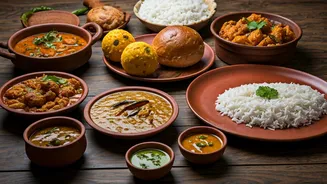
Machher Jhol, or fish curry, is a staple, with endless variations across Bengal. The type of fish used varies, often including rohu, catla, or hilsa, and is cooked in a flavorful gravy of tomatoes, onions, and spices. The gravy's consistency may range from thin and light to thick and rich. The dish is typically served with rice, forming a complete and satisfying meal. The preparation varies from household to household, with families adding their unique touches to the recipe. It is often enjoyed daily. It also represents the importance of fish in the Bengali diet, reflecting the region's numerous rivers and access to the sea. Machher Jhol is more than just a dish; it embodies the essence of Bengali home cooking and is a source of cultural pride.
The Delight of Rice
Rice is a central element of the Bengali diet, frequently consumed at every meal. The long-grain rice like basmati and other local varieties are preferred and serve as a base for various dishes. Rice is not simply a side dish; it often acts as the canvas upon which other flavors are presented. It is served with curries, vegetables, and lentils. The quality of rice is important, and Bengalis take pride in selecting the perfect grain. The way rice is cooked – whether steamed, boiled, or fried – can influence the taste and texture of the overall meal. Rice is a symbol of abundance and is integral to many cultural practices. It is a unifying element in the Bengali culinary experience, bringing families together around the table to share a simple yet significant meal.
Lentils and Dal Variations
Dal, or lentil soup, is another staple, offering numerous variations across Bengal. The most common varieties include masoor dal (red lentils), moong dal (split yellow lentils), and cholar dal (chickpea lentils). Each dal has its unique cooking method. The addition of spices, like cumin, coriander, and turmeric, enhances the flavors. Dal is often prepared with a tempering of spices, which is fried in ghee or oil. It is typically served with rice and vegetables and offers a balanced nutritional component to the meal. Dal preparation can range from simple, everyday versions to richer preparations with added coconut milk or vegetables. It serves as an essential source of protein in the Bengali diet. It represents the value placed on wholesome and nourishing food.
The Essence of Shukto
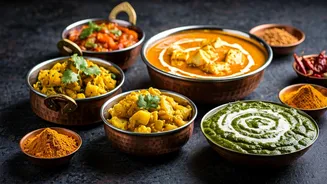
Shukto, a mixed vegetable dish, is often eaten at the start of a meal to cleanse the palate. This dish combines various vegetables, often including bitter gourd, potatoes, and drumsticks, cooked in a light gravy. It incorporates a hint of bitterness from the bitter gourd. The dish is prepared with a blend of spices and is commonly tempered with mustard seeds. It is cooked to stimulate the digestive system. Shukto reflects the Bengali preference for incorporating different flavors in each meal. It showcases the use of seasonal vegetables. This dish embodies the importance of balance in Bengali cuisine and presents an enjoyable way to incorporate a variety of nutrients into one's diet.
Aloo Posto's Simplicity
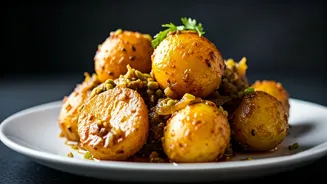
Aloo Posto, or potatoes cooked with poppy seeds, is a popular Bengali preparation that balances simplicity and flavor. The potatoes are cooked in a paste made from poppy seeds, often combined with green chilies. The poppy seeds provide a slightly nutty flavor and creamy texture. The dish's preparation is straightforward, and the resulting flavors are complex. It is usually served with rice and dal and is suitable for both everyday meals and special occasions. Aloo Posto showcases how common ingredients can be transformed into a delicacy. The dish is a testament to Bengali culinary creativity. The simplicity of aloo posto makes it a favored dish for its accessible yet sophisticated taste.
The Delight of Luchi
Luchi is a deep-fried flatbread made from refined wheat flour, a staple in Bengali cuisine. It is light, airy, and a delightful accompaniment to various dishes. Luchi is puffed up when fried in hot oil and is served hot. It is often paired with aloo dum (potato curry), kosha mangsho (meat curry), or other savory dishes. Its versatility makes it a favorite at breakfast, lunch, or dinner. It is a celebratory food, often prepared for special occasions and festivals. The contrast in textures and flavors adds to the overall eating experience. The preparation highlights the Bengali flair for creating simple, delicious comfort food.
Kosha Mangsho: A Classic
Kosha Mangsho, a slow-cooked mutton curry, is a quintessential Bengali dish known for its rich flavors and tender meat. The mutton is cooked in a thick gravy of onions, tomatoes, and a blend of spices. The meat is braised slowly over low heat to allow the flavors to meld, creating a dish with a complex taste. The cooking time of the mutton, the quality of meat, and the spice blend are critical. It is often served with rice, luchi, or paratha. Kosha Mangsho is a popular choice for celebrations and is often prepared for festivals and special occasions. The slow cooking process emphasizes the patience and care that goes into Bengali cooking, and the dish's rich taste is a result of time and attention.
Sweet Bengali Desserts
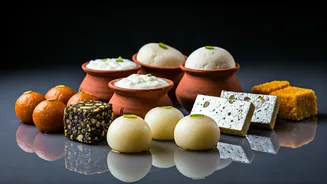
Bengali desserts are globally recognized, with various milk-based sweets. Rasgulla, spongy cheese balls soaked in sugar syrup, is a popular dessert that originated in Bengal. Sandesh, made from chenna (freshly made cheese) and sugar, offers a range of flavors and textures. Mishti Doi, a sweet yogurt, is a beloved dessert known for its creamy consistency. The desserts are an integral part of Bengali culture, with sweets often being distributed at festivals and celebrations. The preparation of these sweets shows the use of simple ingredients. Bengali sweets represent the sweet end to any meal, and the diverse range guarantees there's a dessert for every taste.
Ending with Mishti
The final culinary experience involves indulging in mishti, or sweets, which are the perfect conclusion to a Bengali meal. From the fluffy texture of rasgulla to the rich flavors of sandesh and the creamy delight of mishti doi, Bengal offers a diverse range of sweets. The sweets are a sign of happiness, and the serving of sweets is a significant part of social gatherings and festivals. They symbolize the Bengali tradition of celebrating life's moments. The art of preparing these sweets has been passed down through generations, and each sweet is a testament to the region's rich culinary history. Mishti perfectly encapsulates the sweet conclusion to a fulfilling Bengali culinary journey.