





A City of Contrasts
Kolkata, a sprawling metropolis that is home to nearly 23 million people, presents a compelling case for liveability amidst the often-overwhelming scale
of India's largest cities. Historically, it served as the capital of British India, a period marked by significant administrative and financial developments, as exemplified by James Wilson's arrival in 1859 to overhaul India's finances. Over time, the city has shed its colonial past, including its capital status and English name, to embrace a distinctly Indian identity. Today, it boasts the lowest rents and home prices among India's major urban centers, alongside affordable, high-quality education and healthcare. This economic accessibility, combined with a deep-rooted tradition of arts, music, and literature, cements its reputation as India's cultural heart. Furthermore, its open-minded approach to religious diversity and gender relations adds to its inclusive atmosphere, making it a welcoming place for a diverse population.
Navigating Urban Mobility
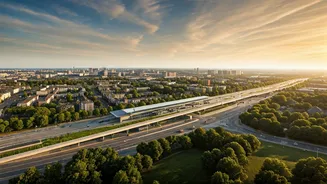
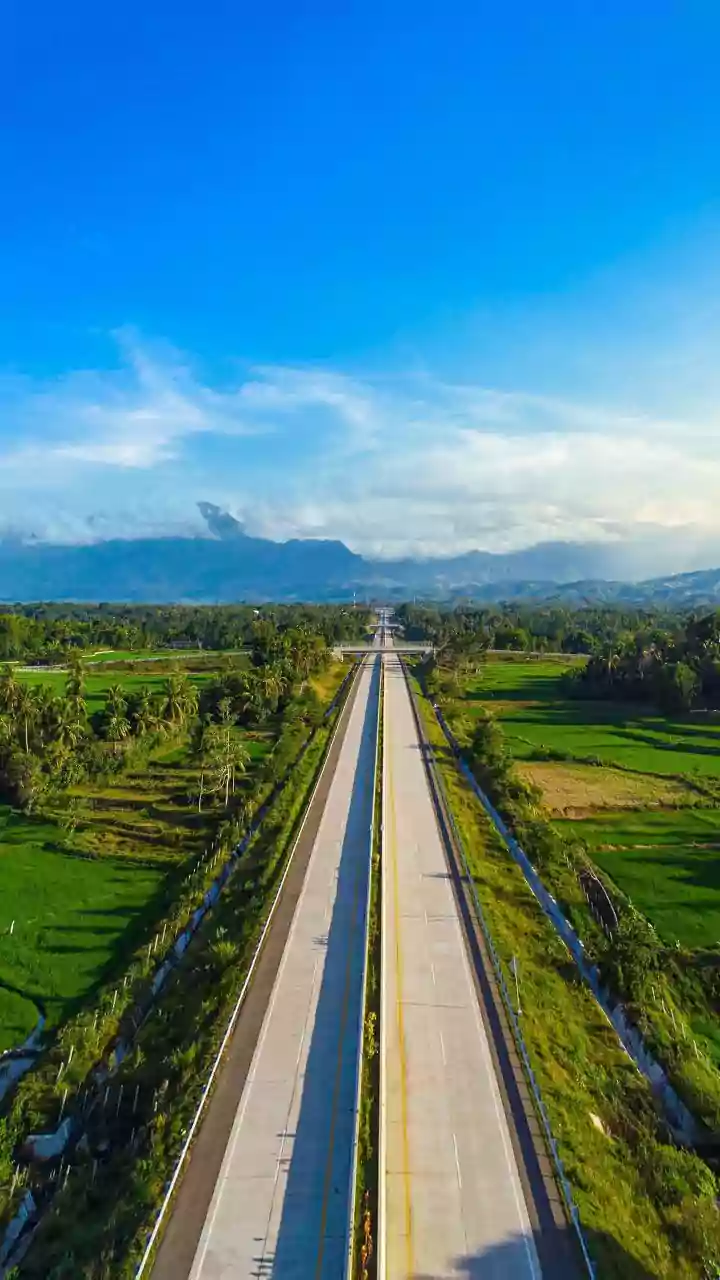
The daily lives of Kolkata's residents are significantly eased by a public transportation system that is not only economical but also consistently expanding. This network includes a growing number of elevated roadways designed to connect disparate parts of the vast city, providing crucial arteries for movement. While the streets below teem with the vibrant energy of commerce and a certain amount of urban chaos, they offer a smoother transit experience compared to the notorious gridlock found in cities like Bangalore. Adding to the city's dynamic urban landscape is a burgeoning café culture, complemented by the recent influx of trendy cocktail bars and upscale dining establishments. This modern culinary scene coexists with a historical architectural charm, as grand old mansions are being thoughtfully repurposed into accommodations like Airbnbs, blending the city's heritage with contemporary needs.
Governance and Welfare
A significant driver behind Kolkata's enhanced liveability is attributed to the leadership of Mamata Banerjee, who has steered West Bengal, its home state, since 2011. Her tenure marked a departure from the previous three decades of communist rule, which had become associated with industrial disputes and a less business-friendly environment. Ms. Banerjee has focused on modernizing the city and implementing extensive welfare programs targeting minority groups, women, and economically disadvantaged populations. This strategic combination of low living costs and targeted social support has positioned Kolkata as an exceptionally desirable location for individuals and families with modest incomes, offering a superior quality of life for the poor and middle classes compared to other large Indian cities.
Economic Realities
Despite its strengths in liveability, Kolkata presents a more challenging environment for individuals with loftier economic aspirations. Under Ms. Banerjee's administration, West Bengal's contribution to the national economic output has seen a decline. The city offers limited opportunities in white-collar professions, leading a significant number of talented young Bengalis to seek prospects elsewhere, and few graduates from other parts of India choose to relocate to Kolkata. The city experiences the slowest population growth among India's top five metropolises. The absence of direct international flights, such as to London, is a particular point of disappointment for its Anglophile intellectual and business communities. Critics suggest a lack of a clear economic vision, with the government neither actively hindering business nor aggressively pursuing investment as seen in states like Maharashtra and Karnataka, which attract a vastly disproportionate share of foreign direct investment.
A Regional Anchor
Kolkata's continued apparent prosperity stems largely from its historical role as the primary commercial hub for India's extensive and often underdeveloped eastern territories. Its strategic position as a gateway to the northeastern states and its historical magnetism for migrants from the impoverished neighboring states of Bihar and Jharkhand have sustained its economic relevance. The recent shift towards remote work has also seen a minor resurgence of white-collar professionals returning to the city, and there's a noticeable expansion of subsidiary offices by consultancies and IT service firms. Nevertheless, when evaluated against its latent potential, Kolkata is frequently characterized as an underachiever, representing a missed opportunity not only for the city and its state but also for the broader eastern region it serves.