




Add Fat During Cooking
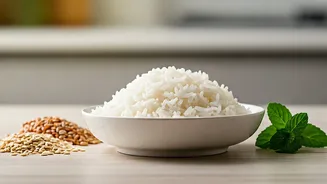
Elevate your rice by incorporating a touch of healthy fat as it cooks. Adding about a teaspoon of ghee, for instance, while preparing your rice can significantly
enhance its health benefits. This practice is not just about flavor; it plays a crucial role in making you feel fuller for longer, a phenomenon known as satiety. Furthermore, the inclusion of fat helps in moderating the rate at which your body absorbs sugars from the rice, thus contributing to more stable blood glucose levels throughout the day. This simple culinary adjustment turns a regular serving of rice into a more balanced and satisfying meal component, aligning with a healthier approach to carbohydrate consumption and promoting better metabolic control.
Cook and Cool Method
For those mindful of blood sugar fluctuations, particularly individuals managing diabetes, a transformative approach involves cooking rice and then allowing it to cool thoroughly. The recommendation is to prepare your rice, let it cool completely, and then refrigerate it overnight before consumption. This cooling process leads to a change in the rice's starch structure, transforming some of its digestible carbohydrates into resistant starch. Resistant starch acts more like dietary fiber, meaning it's not easily broken down in the small intestine and reaches the large intestine largely intact. This characteristic significantly reduces the speed at which glucose enters your bloodstream after a meal, leading to gentler, lower blood sugar spikes. This method is a powerful tool for improving gut health and maintaining better glycemic control.
Rethink Your Order
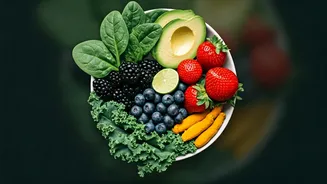
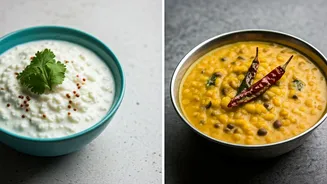
The sequence in which you consume your food can profoundly impact your body's response, especially concerning blood sugar management. Nutritionist Kavita Devgan suggests a strategic shift in your meal's consumption order. Begin by eating fiber-rich components first, such as a generous serving of salad or cooked vegetables. Following this, move on to your protein sources, which could include items like dal, curd, lean meats, chicken, sambar, or eggs. It's only after these nutrient-dense foods that you should incorporate your rice. This habitual change ensures that the rice is consumed with a fuller stomach and in the presence of fiber and protein, both of which help to slow down digestion and moderate the absorption of carbohydrates. This naturally leads to a more controlled portion of rice and minimizes post-meal glucose surges.
Portion Control Matters
Mindful consumption of rice revolves significantly around managing your portion sizes, particularly in relation to the time of day. A general guideline suggests avoiding excessively large servings, perhaps limiting intake to roughly two of your own fists. More importantly, consider consuming a more substantial portion earlier in the day, when your body's metabolic rate is typically higher and you have more time to utilize the energy. Conversely, opt for a smaller portion in the evening. While some advise against rice at night, Devgan suggests it can be beneficial for sleep. Rice can boost serotonin and melatonin, aiding relaxation and improving sleep quality. The key is appropriate timing and portioning, ensuring rice supports your needs without detriment.
Embrace Fermented Rice
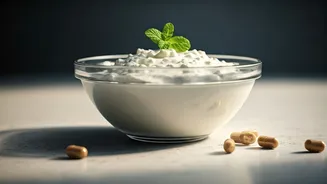
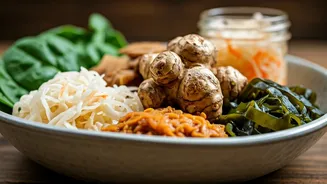
Exploring the ancient culinary traditions offers some of the most beneficial ways to consume rice. Fermented rice preparations are highly lauded for their gut-health promoting properties. Traditional dishes like idli, dosa, and pazhaya sadam (a type of rice porridge) are excellent examples. The fermentation process involved in creating these foods introduces beneficial probiotics, which are live microorganisms that contribute to a healthy gut microbiome. These probiotics can aid digestion, enhance nutrient absorption, and support immune function. The widespread adoption of fermented foods like kanji among many individuals seeking improved gut health underscores their efficacy, demonstrating that time-tested methods often hold the secrets to modern wellness trends.