







The Sodium Equation
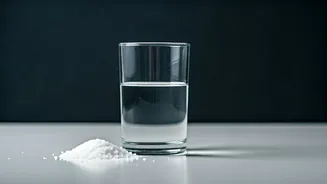
The idea of adding salt to water as a hydration method has gained traction, often fueled by social media 'hacks'. However, experts caution against the
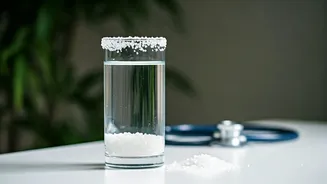
assumption that more salt equates to better hydration. Our regular diets typically provide sufficient sodium to meet the body's daily requirements. Introducing additional salt into every glass of water can easily push sodium intake beyond recommended limits. This excessive consumption carries a heightened risk of developing serious health issues such as elevated blood pressure, unwanted water retention, and long-term complications affecting the cardiovascular system. It's crucial to understand that while sodium plays a role in bodily functions, moderation is key, and overdoing it can be detrimental to overall health.
When Salted Water Helps
Salted water can indeed be beneficial, but only in very specific circumstances where the body has experienced significant sodium loss. These situations include recovering from strenuous physical activity that leads to heavy sweating, periods of vomiting or diarrhea, or prolonged exposure to extreme heat. In such instances, replenishing lost electrolytes, including sodium, is important. However, experts emphasize that transforming this into a daily habit is neither necessary nor advisable, and could even be harmful. For these specific scenarios, medically formulated oral rehydration solutions (ORS) or specialized electrolyte drinks are considered safer and more effective alternatives than simply adding table salt to water.
Who Must Abstain
Certain individuals must strictly avoid the salted water trend due to pre-existing health conditions. This includes people diagnosed with hypertension (high blood pressure), heart disease, kidney disease, or those experiencing swelling and fluid retention. Individuals with thyroid conditions should also exercise caution. Dr. Amit Saraf highlights that individuals with kidney disease are particularly vulnerable to elevated sodium loads; their bodies are less efficient at processing excess sodium, making it imperative for them to completely forgo adding extra salt to their water unless explicitly directed by a medical professional. For these groups, the risks far outweigh any perceived benefits.
Proceeding with Caution
Before considering the addition of salt to your drinking water, a thorough self-assessment of your health status is paramount. If you have any concerns regarding blood pressure or kidney function, it is best to avoid introducing extra sodium. It's a common misconception that increasing salt intake will automatically lead to superior hydration. In reality, the body's primary need is water, and an excess of sodium can paradoxically lead to increased thirst. A healthier approach to hydration involves relying on natural sources such as plain water, coconut water, buttermilk, and water-rich fruits like watermelon. While ORS can be beneficial when necessary, it should be used judiciously. It's also vital to be critical of social media trends; what might appear beneficial for one person might not be medically appropriate for another, underscoring the importance of personalized health advice.