
Incident at Sea
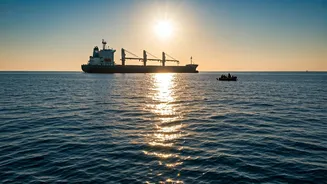
On Wednesday, the Rona, an Iranian dry cargo ship, became involved in an accident within the Caspian Sea. The exact nature of the accident wasn't immediately
specified in initial reports. However, the focus quickly shifted to ensuring the safety of the crew. International maritime law emphasizes the obligation of rescuing those in distress at sea. This incident highlighted the importance of emergency response protocols and international cooperation in maritime situations. The Caspian Sea, a strategically important body of water, sees considerable shipping activity. Therefore, incidents, even minor ones, require immediate and effective responses. The rapid rescue operation demonstrates the value of preparedness and the dedication of the authorities involved in the rescue operation.
Rescue Operation Details
The primary objective of all authorities was the rescue of the crew. Preliminary information, released by the Turkmenistan Foreign Ministry, confirmed the success of the rescue. The operation involved swift action to locate and assist the ship and its crew. The coordinated effort between different agencies likely played a crucial role. The swiftness of the rescue operation likely minimized potential risks to the crew. Detailed information about the rescue, including the specific actions taken, will probably be released in further official reports. The focus was on ensuring the safety of all 14 crew members, acknowledging the potential risks of the situation. This successful rescue showcases the effectiveness of the response mechanisms. Furthermore, it emphasizes the importance of maritime safety protocols and international cooperation in times of crisis.
Crew Member Demographics
The rescued crew comprised both Indian and Iranian nationals. The inclusion of Indian crew members in the incident has drawn attention from India. The specific number of Indian nationals aboard the Rona was not immediately specified. The presence of international crew members underscores the global nature of shipping and the potential for incidents to affect individuals from various nations. The safety and well-being of the Indian crew members were prioritized throughout the rescue operation. This incident further highlights the collaboration required during maritime emergencies involving international crew. The involvement of multiple nationalities necessitates the coordinated efforts of relevant countries and international agencies. The safe return of all crew is a testament to the efforts of those involved in the rescue, regardless of their nationality.
International Cooperation
The incident highlights the importance of international cooperation in maritime rescue operations. Various organizations and governments likely collaborated to facilitate the rescue of the crew. The role of the Turkmenistan Foreign Ministry, as indicated by the initial reports, suggests a cooperative effort. International maritime law establishes a framework for cooperation during distress situations at sea. This incident is an example of the practical application of those laws. The efficient and coordinated response exemplifies the shared responsibility for maritime safety. The swift rescue efforts demonstrate the effectiveness of established protocols. This event highlights the effectiveness of collaboration among international agencies. Furthermore, this emphasizes the importance of preparedness and response capabilities.