



Cholesterol: The Basics
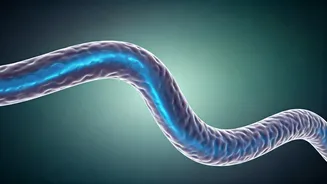
The cardiologist interviewed in the article begins by clarifying the fundamental aspects of cholesterol. It's often misunderstood as a singular entity;
however, cholesterol is a fat-like substance essential for various bodily functions, including hormone production and cell structure. The article highlights that cholesterol comes from two primary sources: the body itself and the food we eat. The liver naturally produces cholesterol, and the diet also contributes to its levels. The type of cholesterol intake varies from person to person. However, the expert says that it is essential to distinguish between 'good' (HDL) and 'bad' (LDL) cholesterol, as these distinctions are crucial for understanding the impact of cholesterol on health. The cardiologist states that understanding these basics helps one to begin to address the cholesterol myths.
Eggs and Cholesterol
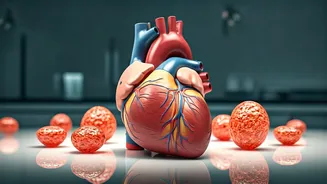
A significant part of the discussion addresses the controversial relationship between eggs and cholesterol. The article reveals that for many years, eggs were vilified due to their high cholesterol content. However, the cardiologist explains that dietary cholesterol, which is the cholesterol you get from the food you eat, has a less significant impact on blood cholesterol levels than previously thought. The impact varies from person to person; some people are more sensitive to dietary cholesterol than others. The article further clarifies that saturated and trans fats in the diet often have a more substantial impact on raising blood cholesterol levels than the cholesterol found in eggs. The cardiologist encourages a balanced view, suggesting that eggs can be part of a healthy diet unless specific health conditions dictate otherwise.
The Real Culprits
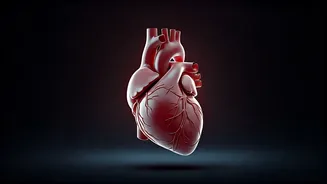
The cardiologist then delves into the factors that significantly influence cholesterol levels and overall heart health. The article emphasizes that saturated and trans fats found in processed foods, fatty meats, and certain dairy products are more likely to raise LDL (bad) cholesterol levels. In addition to dietary choices, other lifestyle factors are highlighted, including physical inactivity, smoking, and genetics. The expert stresses that these elements can have a greater impact on cholesterol profiles and cardiovascular risk than the consumption of cholesterol-rich foods like eggs. They suggest that a holistic approach to health, encompassing diet, exercise, and avoiding tobacco, is essential for maintaining healthy cholesterol levels and reducing the risk of heart disease.
Understanding HDL and LDL
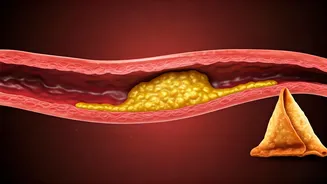
The article elaborates on the significance of distinguishing between good (HDL) and bad (LDL) cholesterol. It explains that LDL cholesterol contributes to the buildup of plaque in arteries, a process known as atherosclerosis, which can lead to heart disease and stroke. On the other hand, HDL cholesterol helps remove LDL cholesterol from the arteries, reducing the risk of cardiovascular events. The cardiologist stresses the importance of regularly monitoring cholesterol levels and understanding the ratio between HDL and LDL. This knowledge helps one to gauge their risk and make appropriate lifestyle adjustments. The article recommends that individuals consult their healthcare providers for personalized guidance on managing their cholesterol levels effectively.
Social Media's Influence
The article also touches upon the role of social media in shaping public perceptions of health-related topics. The cardiologist acknowledges that the internet and social platforms can disseminate information rapidly, but this can lead to the spread of misinformation and skewed viewpoints. They state that the constant stream of often contradictory health advice can cause confusion and anxiety among the public. The expert urges the audience to critically evaluate health information from online sources and to rely on evidence-based guidance from qualified healthcare professionals. It highlights the importance of fact-checking and understanding the source of health-related content before making any dietary changes.
Actionable Steps Forward
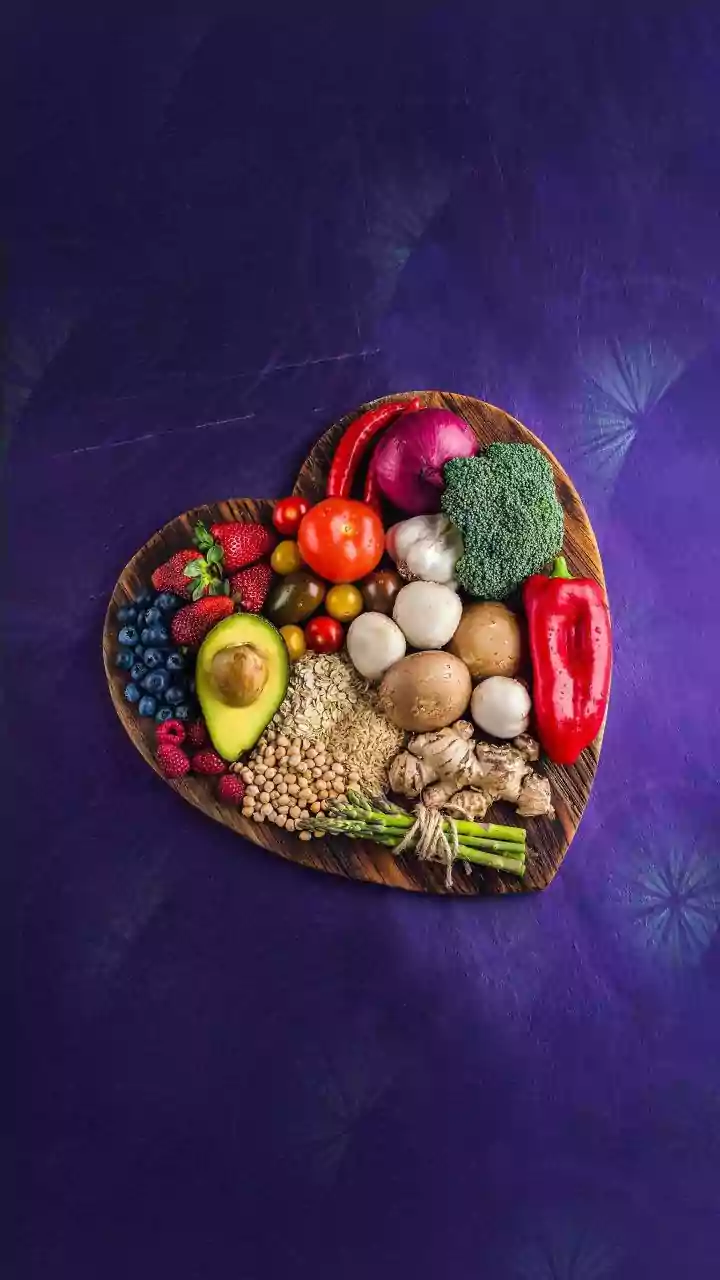
In the concluding segment, the cardiologist offers practical advice for managing cholesterol and improving heart health. This includes adopting a heart-healthy diet rich in fruits, vegetables, whole grains, and lean proteins, and low in saturated and trans fats. Regular physical activity is also recommended. The expert advises individuals to engage in at least 150 minutes of moderate-intensity or 75 minutes of vigorous-intensity exercise per week. The cardiologist emphasizes the importance of quitting smoking and managing other risk factors, such as high blood pressure and diabetes. They encourage readers to consult with their doctors to assess their risk factors, monitor cholesterol levels, and develop personalized strategies to improve their heart health and overall well-being.