



Initial Stance Emerges
The unfolding narrative of Pakistan's potential refusal to play against India in the T20 World Cup began with a government directive. The specifics of the directive have
not been explicitly stated, but its existence became the foundation of Pakistan's possible non-participation. This government stance has subsequently become a major topic of discussion within the international cricket community. Initial reports focused on the political tensions, leading to a climate of uncertainty regarding the match. This early phase set the stage for subsequent actions and statements, thereby significantly influencing the tone and trajectory of events. The anticipation surrounding the situation grew substantially as the situation gained traction, with various stakeholders voicing their perspectives and concerns.
Government Intervention & Implications
The involvement of the Pakistani government played a crucial part in the unfolding drama. By barring the team, the government amplified the issue, leading to wider media coverage and heated debates. The implications were far-reaching, encompassing not only sports but also diplomatic ties between the two nations. The government's decision introduced a new layer of complexity, essentially making the sporting event a reflection of deeper political and geopolitical dynamics. This intervention elevated the potential boycott into an international concern. The directive put the ICC in a difficult position, requiring them to mediate and address the concerns of all parties involved to avert further escalations. This situation had wider implications on the future of sporting tournaments and international relations.
ICC's Serious Concerns
As the situation progressed, the ICC weighed in, recognizing the seriousness of Pakistan's potential boycott of the match. The international cricket governing body expressed its concerns and issued warnings regarding the long-term impact that such a refusal could bring about. The ICC made it clear that a boycott would have significant consequences, not just for the participating teams but for the integrity and reputation of the sport worldwide. The ICC's reaction reflected its commitment to upholding the principles of fair play and its dedication to the growth and sustainability of international cricket. The ICC had to navigate complex issues to maintain the balance within the cricketing world, ensuring fairness and respect for all nations. Ultimately, the ICC aimed to foster a healthy, cooperative sporting environment.
Player Perspectives & Reactions
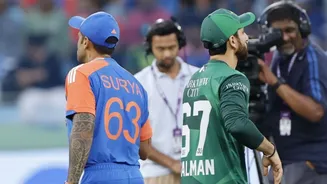
Players and key figures from both sides have also offered their perspectives on the developing situation. While specific comments from Pakistani players remain limited, their reactions and statements offer crucial insight. These reflections have added another dimension to the debate, showcasing the human aspects of the crisis. These reactions shed light on the pressures, emotions, and personal stakes involved in the situation. Public figures’ reactions also serve to reveal the broader challenges and complexities inherent in the matter, as well as the varying viewpoints. These different reactions provided nuance to the debate, showing the many perspectives on the situation, allowing the public to have a more comprehensive understanding of the situation and its impact on the players.
Possible Future Outcomes
Looking ahead, the situation's possible outcomes are quite diverse, each with potential repercussions. One scenario involves Pakistan reversing its decision, leading to a regular match and minimizing any impact. Another scenario could see a compromise, with potential adjustments. If the boycott proceeds, it could result in penalties for Pakistan, along with potential ramifications for its participation in future tournaments. The ultimate results will depend on how the key parties choose to negotiate, resolve, and handle the dispute. The repercussions could resonate beyond the immediate sporting arena, with consequences for international relations. The resolution of this situation will serve as a significant moment in the sport's history, influencing its future.