





Tactical Wins, Strategic Woes
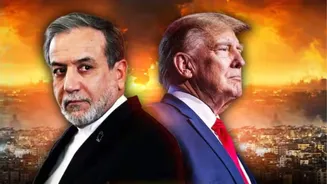
While the US military has achieved notable successes in engagements with Iran, the overarching strategic outcome remains uncertain. Critics argue that
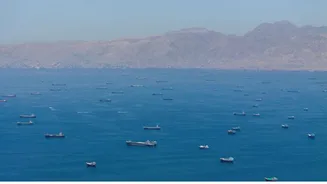
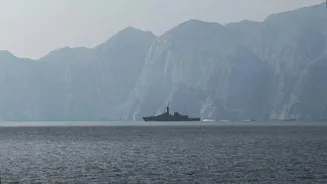
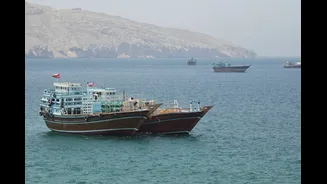
despite these battlefield triumphs, Iran's core capabilities and regional influence appear largely undiminished. The Strait of Hormuz remains under Iranian control, and its nuclear program continues to be a significant concern. This disparity between tactical victories and strategic stagnation leads to growing skepticism about the administration's ability to frame the conflict as a clear geopolitical win. Analysts suggest that the US and its Gulf Arab allies might emerge from this situation in a weaker position, while Iran, despite economic and military pressures, could potentially gain leverage by demonstrating its ability to disrupt global energy supplies. The current situation hovers precariously between tentative diplomatic efforts and intermittent threats of renewed military action, raising the specter of further regional instability and Iranian retaliation.
Domestic Pressures Mount
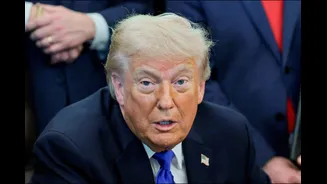
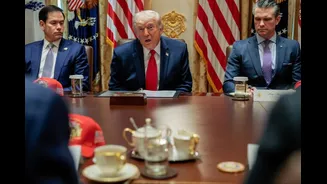
The ongoing standoff with Iran arrives at a critical juncture for President Trump, coinciding with significant domestic challenges. Facing pressure from rising domestic gasoline prices and a dip in approval ratings, particularly with midterm elections on the horizon, the administration finds itself in a precarious position. The conflict, initiated ahead of key elections, has added another layer of complexity to his political landscape, especially as his Republican party navigates the challenge of maintaining control of Congress. This confluence of international conflict and domestic political exigencies forces difficult decisions. Some observers believe Trump is faced with a stark choice: either accept a potentially imperfect diplomatic resolution as a way out or escalate military actions, risking a prolonged and more severe crisis. The possibility of a limited, decisive strike followed by a declaration of victory is also considered an option, allowing the administration to pivot focus.
Unfulfilled Objectives
President Trump's initial objectives for engaging militarily with Iran appear to be largely unmet, leading to increasing scrutiny of the long-term viability of his strategy. Key goals included halting Iran's path to nuclear weapons, curtailing its regional threat to US interests, and fostering conditions for internal regime change. However, evidence suggests these aims remain elusive. Despite significant military and economic blows, Iran's leadership reportedly views survival as a success and has demonstrated its capacity to exert influence over vital shipping lanes with perceived minimal consequences. The denuclearization objective, a cornerstone of the administration's policy, has also seen little progress, with concerns lingering over Iran's stockpile of highly enriched uranium. Furthermore, Iran's support for proxy groups continues, and the emergence of even more hardline leadership in Tehran suggests a persistent regional threat. This lack of tangible progress on stated goals raises questions about the administration's ability to achieve a favorable outcome in the long run.
Shifting Alliances and Global Lessons
The prolonged engagement with Iran has not only strained US foreign policy but has also had broader implications for international relations and the perception of American military might. Traditional European allies have largely remained unsupportive, having not been consulted on the military actions, leading to further erosion of transatlantic ties. Meanwhile, global powers like China and Russia are reportedly drawing significant lessons from the conflict. They are observing perceived shortcomings in US military capabilities when faced with asymmetric tactics employed by Iran, as well as the depletion of some American weapon supplies. This assessment could influence future geopolitical calculations and strategic planning. Experts like Robert Kagan have posited that the outcome of this engagement could represent a more profound setback to US global standing than previous, lengthy conflicts, arguing that it occurs closer to the main theaters of global competition and may not be easily overcome by a future American triumph.