
Protein: The Current Craze
In recent times, protein has ascended to the forefront of dietary discussions, often hailed as the ultimate solution for shedding unwanted pounds and building
lean muscle. This widespread belief has led many individuals to drastically increase their protein consumption, often at the expense of other vital nutrients. The market has responded with an explosion of protein powders, bars, and specialized supplements, all promising rapid results. This fascination with protein, while seemingly science-backed, has become a dominant narrative in the fitness and wellness industry, influencing consumer choices and fueling a significant portion of the health food market. The emphasis is often placed on hitting specific gram targets per meal or day, sometimes overshadowing the importance of a balanced and varied diet that includes carbohydrates and fats, which are also essential for bodily functions and overall well-being.
Diwekar's Counterpoint
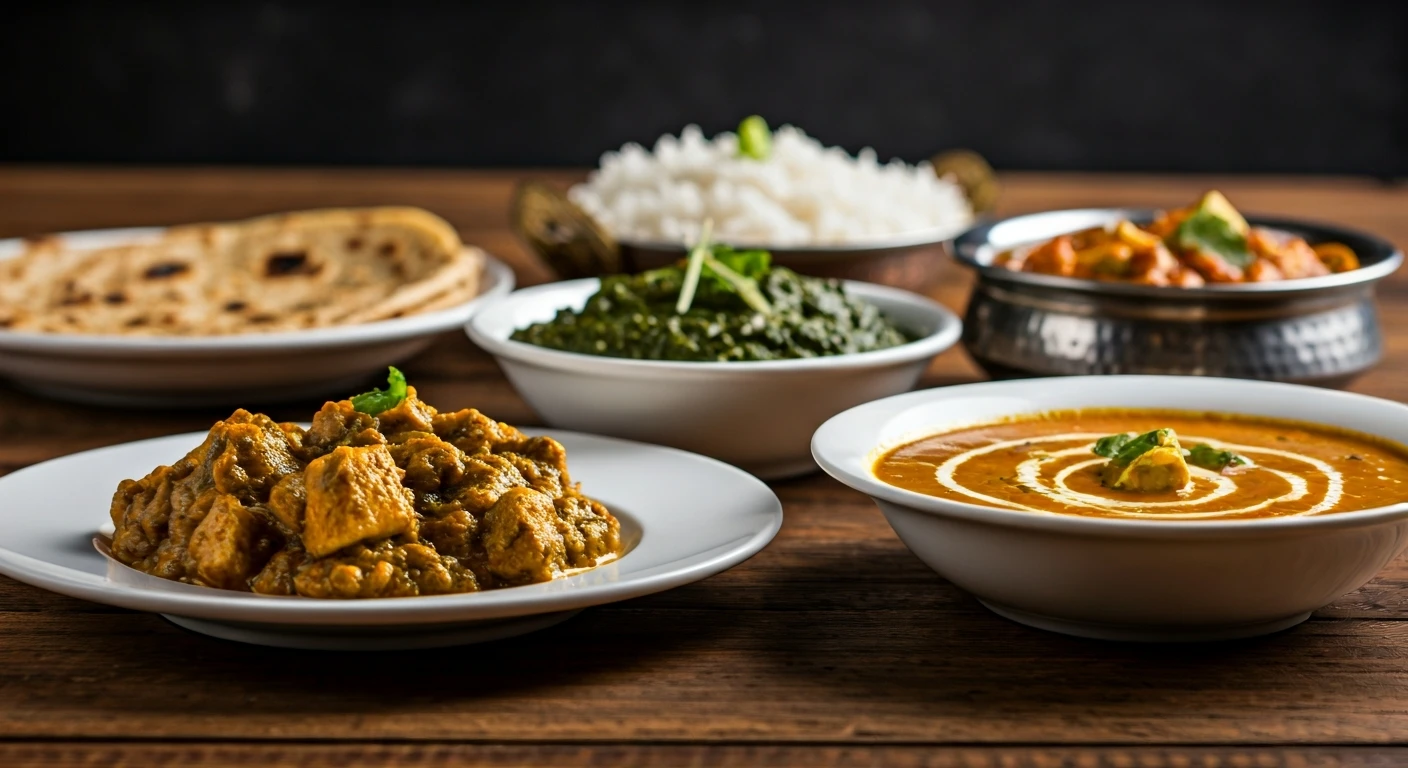
Nutritionist Rujuta Diwekar offers a refreshing counter-narrative to this protein-centric approach, questioning its efficacy as the singular path to weight management and arguing that it could be a financial drain. She suggests that the obsessive pursuit of protein might be a manufactured trend, leading people to spend excessively on supplements that may not be necessary or even beneficial for their specific needs. Diwekar emphasizes that our traditional Indian diets, when prepared holistically, already provide adequate protein from natural sources like dals, legumes, dairy, and certain grains. The focus, she posits, should shift from merely increasing protein quantity to ensuring the quality and bioavailability of the nutrients we consume, alongside overall dietary balance and lifestyle factors, rather than chasing a potentially illusory weight-loss panacea.
Beyond Protein Myths
Diwekar's perspective encourages a broader understanding of nutrition, moving beyond the single-minded fixation on protein. She advocates for a return to mindful eating, where the focus is on consuming whole, local, and seasonal foods that offer a complete spectrum of nutrients. This approach prioritizes the inclusion of carbohydrates for energy, healthy fats for hormone production and nutrient absorption, and fiber for digestive health, all of which play crucial roles in sustainable weight management and overall vitality. The nutritionist suggests that by embracing traditional dietary wisdom and making informed choices about food, individuals can achieve their health goals without succumbing to expensive, often unnecessary, supplement trends. The true secret, she implies, lies not in hyper-focusing on one macronutrient, but in creating a harmonious and nourishing eating pattern.