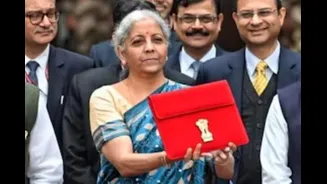

Income Tax Hopes
The Budget 2026 is a much-anticipated event for Indian taxpayers, especially those in the salaried and middle-class brackets. One of the primary areas
of focus is the income tax structure. Taxpayers are hoping for adjustments that might alleviate their tax burden. This could mean changes to tax slabs, potentially expanding the income brackets to give more individuals a financial breather. Another key expectation revolves around increasing the basic exemption limit, which is the income threshold below which no tax is levied. A rise in this limit would directly benefit a significant portion of the population by reducing their taxable income, leading to more disposable income. Additionally, taxpayers have their sights set on changes to various deductions and exemptions. Currently, there are several deductions available, such as those for house rent allowance (HRA), leave travel allowance (LTA), and investments made under sections like 80C. Individuals are hoping for these to remain robust, or even enhanced. Further enhancements to these, or new additions, could allow individuals to save more on taxes and encourage investments in specific sectors.
Tax Slab Adjustments
Adjustments to income tax slabs are one of the key expectations surrounding Budget 2026. The current tax slabs determine the rate at which income is taxed. The structure can be modified to better cater to changing economic conditions and the financial realities of taxpayers. A frequently discussed expectation is the potential for tax slab rationalization. This involves either reducing the number of slabs, simplifying the tax system or adjusting the income ranges within each slab. One potential change is the widening of the income ranges. This means increasing the income thresholds for each tax slab. This adjustment would ensure that more income falls within lower tax brackets. In essence, it prevents a significant portion of income from being pushed into higher tax brackets due to incremental earnings. Another expectation is the possible reduction in tax rates. This could involve lowering the percentage of tax levied on each income slab. Reduced tax rates give individuals a bigger share of their earnings, boosting their purchasing power and encouraging economic activity. Taxpayers also hope for greater clarity. The complexity of the current tax regime can often be difficult for many taxpayers to understand. The government might consider simplifying tax slabs, as it would make the entire process more transparent and easier to navigate.
Enhanced Exemptions & Deductions
The Budget 2026 could bring further refinements to the existing system of exemptions and deductions, offering taxpayers more avenues to reduce their tax liabilities. Various deductions and exemptions currently exist under different sections of the Income Tax Act. Section 80C is especially significant, allowing deductions for investments in avenues like the Employees Provident Fund (EPF), Public Provident Fund (PPF), and tax-saving fixed deposits. Taxpayers often seek an increase in the maximum limit under Section 80C, allowing them to invest more in these instruments and further reduce their taxable income. Another crucial aspect is the house rent allowance (HRA). Individuals paying rent often rely on this exemption to reduce their tax burdens. Changes here could involve increasing the allowable limits or simplifying the documentation required. Leave travel allowance (LTA) is another area of interest. This allows employees to claim expenses incurred on travel. Adjustments here might provide a boost to the travel and tourism sectors. Investments in health insurance under Section 80D are also vital. People hope for a boost in the deduction limits for health insurance premiums, incentivizing broader health coverage and bolstering the healthcare industry.
Impact and Implications
Changes to income tax regulations proposed in the Budget 2026 would have various impacts on individual taxpayers and the broader economy. If income tax slabs are adjusted, for example, the reduction in tax rates or the widening of income brackets would immediately put more disposable income in the hands of the salaried and middle classes. This could stimulate consumer spending, boosting the demand for goods and services. Enhanced exemptions and deductions, such as higher limits under Section 80C, would encourage investment and saving. This would help drive financial planning and encourage individuals to invest in long-term savings instruments. Simultaneously, modifications to HRA and LTA would have impacts beyond personal finances. They would support the real estate and tourism industries, and potentially create new jobs. Overall, a taxpayer-friendly budget would likely lead to greater financial security and boost the economy. These expectations demonstrate a strong desire for policies that provide financial relief, encourage savings, and support economic growth.