






Sooji: A Marvel
Sooji, also known as semolina, a coarsely ground grain derived from durum wheat, is a dietary staple in many regions of India. Its versatility allows it to
be used in various culinary applications, notably in breakfast preparations. Sooji’s mild flavor and ability to absorb flavors readily make it a fantastic base for diverse recipes. It's often praised for its ability to provide sustained energy throughout the morning. From the traditional upma to innovative dishes, sooji provides a nutritious and easily digestible foundation for a hearty breakfast. The process of making sooji dishes is generally straightforward, making it accessible for both novice and experienced cooks. Sooji's widespread use is not just about taste but also about its ease of preparation and its nutritional value, making it a beloved ingredient across Indian households.
Upma: The Classic
Upma stands as the quintessential sooji breakfast. To prepare this dish, sooji is first dry-roasted to enhance its flavor. Then, it's cooked with water and seasoned with various spices, vegetables, and sometimes nuts. Variations abound, including the addition of onions, tomatoes, green chilies, and mustard seeds, each adding its distinct layer of flavor. The texture of upma is key, aiming for a balance between softness and slight firmness. Preparing upma involves a series of steps that are easily followed, which makes it simple to make. The simplicity of upma, coupled with its nutritional content, makes it a favored breakfast choice, suitable for the morning meal. The final touch of garnish, such as fresh coriander, elevates both the flavor and visual appeal of this beloved breakfast.
Sooji Halwa: Sweet Start
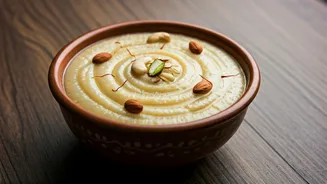
Sooji halwa is a sweet preparation perfect for starting the day. This dessert-like dish involves roasting sooji in ghee until it turns golden brown and develops a nutty aroma. The roasted sooji is then combined with sugar, water, and sometimes flavored with cardamom and saffron. It cooks slowly until the liquid is absorbed, creating a rich and pudding-like consistency. The dish is known for its smooth texture and rich, sweet taste. Nuts and dried fruits are often added for extra crunch and sweetness. The cooking time of sooji halwa can vary, but the result is a comforting and satisfying treat. This recipe is a frequent presence at religious ceremonies and celebrations, highlighting its cultural significance. The combination of simple ingredients gives a luxurious taste, making it ideal for a special breakfast.
Sooji Dosa: Crispy Delight
Sooji dosa offers a lighter, crispier alternative to the traditional dosa. The batter is prepared using sooji, rice flour, and spices, which are then fermented to create a tangy flavor. The mixture is poured onto a hot griddle to form a thin, crispy pancake. The cooking of the dosa requires precise attention to the heat and cooking time. It's served with chutney and sambar. The use of sooji provides a unique texture and flavor that differs from the conventional dosa. This is a quick and satisfying breakfast option, suitable for busy mornings. The contrast in textures between the crispy dosa and the soft accompaniments makes it a favorite among food lovers.
Sooji Idli: Steamed Goodness
Sooji idli offers a variation of the classic idli. Sooji idli is made using sooji, curd, and spices. The batter is steamed until it rises to a fluffy, spongy texture. The advantage of this dish is its quick preparation time compared to the conventional idli that needs overnight fermentation. This makes it an effective breakfast alternative. It's commonly enjoyed with sambar and chutney. Sooji idli is also a healthier choice since it's steamed and not fried. It is not only soft and easy to eat but also very light on the stomach. The quick and simple preparation makes it a practical option for daily breakfasts.
Sooji Uttapam: Savory Pancake
Sooji uttapam is a thick, pancake-like dish that is made with a batter of sooji and vegetables. The batter is spread on a hot griddle and garnished with onions, tomatoes, and other vegetables. The vegetables add flavors and textures. The result is a savory and fulfilling breakfast option. Uttapam provides a hearty meal, perfect for those seeking a more substantial breakfast. The cooking of the batter allows the vegetables to caramelize and blend with the sooji, resulting in a delicious meal. It is normally served with chutney or sambar. Its thick consistency and savory flavors make it an amazing choice for breakfast, delivering both taste and satisfaction.
Sooji Poha: Fusion Twist
Sooji poha introduces a twist on the traditional poha, using sooji instead of flattened rice. The sooji is cooked with spices, onions, and other vegetables, creating a flavorful, textured dish. The cooking method is akin to that of traditional poha, but it offers a unique texture and taste. The combination of sooji with common poha ingredients leads to an exciting fusion dish. It's often garnished with coriander and lemon juice. This version offers a new way to enjoy poha with a different texture and taste profile. It's a quick and easy breakfast, suitable for those who love experimentation in their cooking.
Sooji Cutlets: Crispy Bites
Sooji cutlets are a savory breakfast option. They are made from a mixture of cooked sooji, mashed potatoes, and spices, formed into patties, and then shallow-fried until golden. The blend of sooji and potatoes gives a unique texture to the cutlets, ensuring a crispy outside and a soft interior. They can be made in advance, making them suitable for quick breakfasts. These cutlets are often served with tomato ketchup or chutney. The cutlets are a crowd-pleaser and offer a delightful way to start the day. The preparation is straightforward, and the resulting cutlets provide a filling and flavorful breakfast option, ideal for both adults and children.
Sooji Paratha: Flaky Delight
Sooji paratha is a tasty and innovative spin on the regular paratha. The sooji is mixed with flour, spices, and water to create a dough. The dough is rolled out into parathas and either cooked directly on a griddle or sometimes stuffed with a filling. The parathas are then cooked until they are golden and flaky. The use of sooji in the dough gives the paratha a different texture and flavor. This makes it a great choice for breakfast. The cooked parathas provide a hearty and fulfilling meal, great for starting the day. Often served with yogurt or chutney, sooji parathas can be adapted to personal preferences.
Sooji Pancakes: Fluffy Treats
Sooji pancakes offer a fun, sweet breakfast option. A batter made from sooji, milk, eggs, and sugar is cooked on a griddle until the pancakes are golden brown. The sooji adds a slight texture to the pancakes, making them different from typical pancakes. They're typically served with honey, syrup, or fresh fruit. This makes the meal both flavorful and satisfying. Sooji pancakes are quick to prepare, making them a great option for busy mornings. The subtle texture from the sooji adds a novel spin to a traditional dish. They are an easy way to satisfy your sweet tooth while enjoying a fulfilling breakfast.