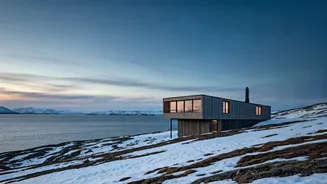









House Ownership Explained
In Greenland, the acquisition of a house is a viable endeavor for individuals, yet the fundamental principle of land ownership operates under distinct
regulations. Essentially, one can purchase a dwelling; however, the land upon which the structure stands is not included in the transaction. This approach is unique in many parts of the world. This characteristic reflects the historical and geographical context of Greenland. This means you own the building itself, the physical structure, but not the soil beneath it. This separation stems from the government's control over land resources. This system significantly impacts real estate transactions and long-term property rights. Buyers need to be fully aware of this when considering a purchase, as the government always has ultimate control of the land itself. While you have the right to the house, the land usage comes with specific conditions and stipulations governed by the local authorities.
Land's Special Status
The land in Greenland is primarily controlled by the government, a practice steeped in historical context and designed to safeguard cultural and environmental interests. This unique approach is quite different from many nations where private land ownership is prevalent. The government's control ensures the land is managed responsibly, preventing unrestricted development and resource exploitation. It is a way of preserving Greenland's natural beauty and protecting the cultural heritage of its indigenous population. This system provides the government with the ability to control how land is used, making sure it aligns with the nation's broader strategies. This can involve environmental protection measures, maintaining space for traditional activities, and managing urban growth. Individuals may purchase and maintain a house, but the land use is governed by agreements with the government, adding another layer of complexity to real estate transactions.
Why This Arrangement?
The government's control over land in Greenland arises from multiple intertwined factors, the primary one being a desire to protect the nation's cultural heritage. The government also prioritizes environmental conservation, which is critical in an area so environmentally sensitive. Maintaining government control lets them impose restrictions on development, thereby preventing the destruction of natural habitats and minimizing pollution. It also provides the government with a mechanism to manage resource extraction, preventing the over-exploitation of Greenland's valuable natural resources, such as minerals and fisheries. This unique system helps promote sustainable development, ensuring that any economic activities are compatible with environmental conservation and cultural preservation. This arrangement promotes community well-being and safeguards the land for future generations. The government's role in land management is thus both a legacy of the past and a commitment to the future, shaping Greenland’s unique identity and way of life.
Navigating Real Estate
Buying a home in Greenland entails understanding the specific regulations governing land use. While one can purchase a house, the land underneath it is usually leased, or used under license, from the government. The buyer must become familiar with the terms of the lease or land use agreement, which will likely outline conditions regarding the use of the property, the length of the agreement, and the possibility of renewal. Property values in Greenland can vary, often depending on the location and the quality of the building. The Greenlandic real estate market is smaller than many others and may experience price fluctuations, so it is necessary to conduct thorough due diligence and seek legal advice. Given the nuances, working with local real estate professionals who are knowledgeable about Greenlandic property laws is important. This ensures a smoother and more informed experience, and minimizes the risk of legal complications. The right advice can help navigate the complexities, and help potential buyers make sound decisions.