


A Taste of Tradition
Renowned actor Sudha Chandran recently opened up about her deep-rooted affection for South Indian culinary traditions. She explained that her daily meals
are predominantly South Indian, a preference so strong that it has influenced her husband, Ravi Dang, who hails from a Punjabi background. Chandran humorously noted that her husband initially had no familiarity with coconut oil, a staple in her cooking. She fondly recalled his first experience with Kerala cuisine during a visit to her hometown, Thrissur. Dishes like Puttu Kadala, which she adores, were a new experience for him. While he has grown to love many Kerala delicacies such as avial and olan, a specific incident involving puri fried in coconut oil presented a challenge he found difficult to overcome. Despite this, she emphasized that Kerala, being a hub of diverse spices, offers significant nutritional benefits.
Coconut Oil: A Kitchen Staple
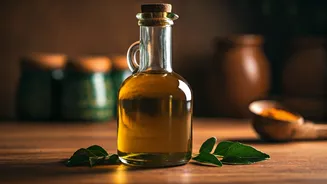
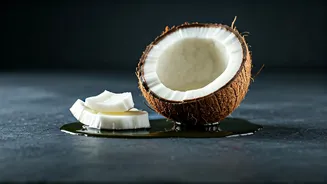
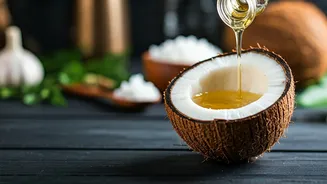
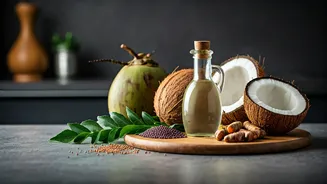
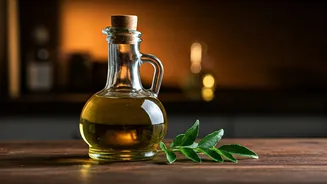
To provide expert insights into the use of coconut oil, we consulted with Dt Amreen Sheikh, chief dietitian at KIMS Hospitals in Thane. Coconut oil has been a cornerstone of South Indian cooking for generations, largely due to its rich content of medium-chain triglycerides (MCTs). These fats are processed differently by the body, potentially offering a readily available energy source. However, Sheikh advises a balanced perspective, highlighting that coconut oil is still a saturated fat. The key to its healthy integration lies in moderation and context. For most healthy individuals, incorporating small amounts into traditional recipes is acceptable, particularly when complemented by a diet abundant in fiber, vegetables, legumes, and whole grains. Issues typically arise from excessive consumption or when an individual's overall fat intake is already elevated. Therefore, mindful usage is paramount.
Decoding the South Indian Plate
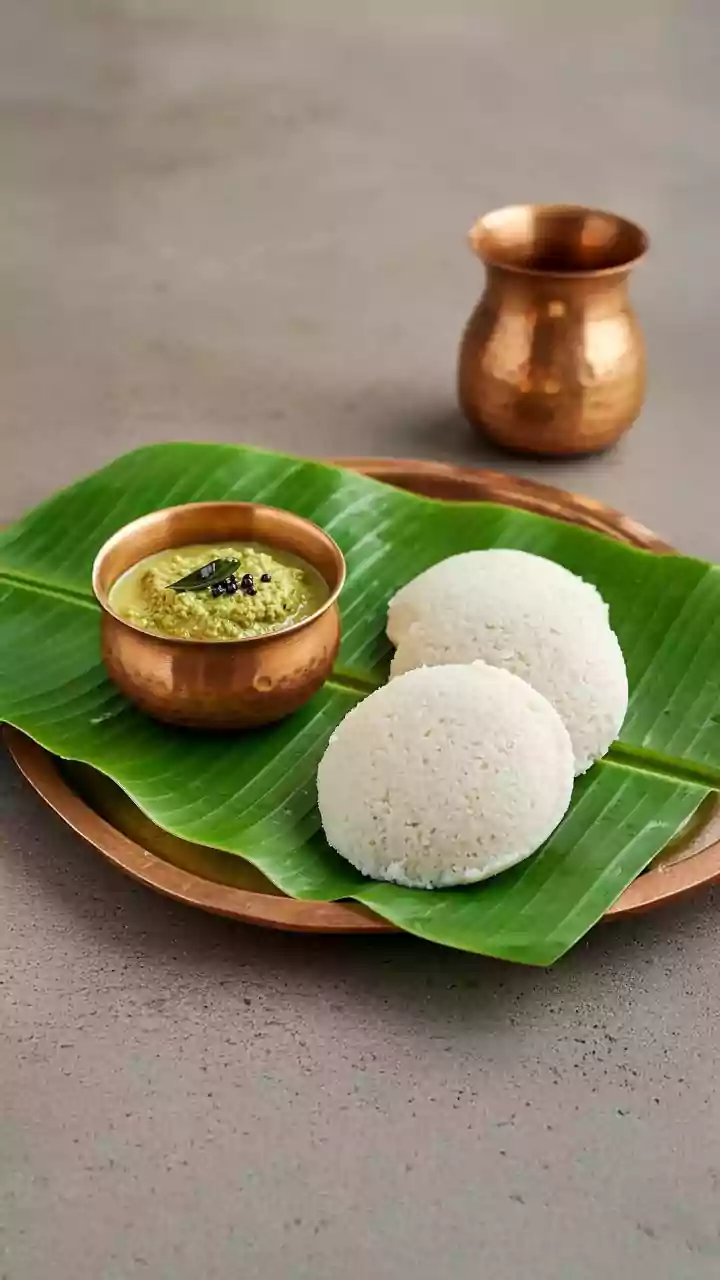
A typical South Indian thali often presents a well-rounded nutritional profile, commonly featuring items like idli or dosa paired with sambar, rasam, vegetable poriyal, curd, and rice. This traditional meal structure incorporates fermentation, which is beneficial for gut health, provides protein from lentils, and offers essential fiber from various vegetables. However, the overall health impact is heavily influenced by portion sizes and preparation methods. Deep-fried snacks, excessive servings of refined white rice, and the overuse of oil can easily shift the balance towards less healthy options. Dt Sheikh clarifies that the healthiness of the cuisine is not inherent but rather determined by how dishes are prepared and the quantities consumed. It's about the execution and moderation, not the cuisine itself.
Fat Intake and Health
When considering the potential impact of coconut oil on weight gain and heart health, Dt Sheikh explains that weight gain is primarily a result of consuming more calories than the body expends, rather than being attributable to a single ingredient. Given its calorie density, frequent and liberal use of coconut oil can contribute significantly to overall calorie intake. For individuals who have existing concerns about high cholesterol or a family history of heart disease, being cautious with coconut oil consumption is advisable. Sheikh recommends diversifying fat sources by rotating cooking oils, such as groundnut, sesame, or mustard oil, to ensure a broader spectrum of beneficial fats in the diet.
Heritage and Health
For those who wish to maintain their cultural eating habits while prioritizing fitness, Dt Sheikh offers encouraging advice. She emphasizes that there is no imperative to abandon traditional foods; in fact, culturally ingrained dietary patterns are often more sustainable in the long run. The focus should instead be on adopting mindful portion control, enhancing protein intake through sources like dals and curd, increasing the vegetable content in every meal, and consciously limiting the consumption of fried side dishes. Ultimately, achieving good health does not necessitate forsaking one's heritage; it calls for a thoughtful approach that balances tradition with awareness.