





Drain Discoveries Unveiled
Ahead of the anticipated June 5th monsoon arrival in Mumbai, a thorough drain cleaning initiative has brought to light an array of unusual discarded items.
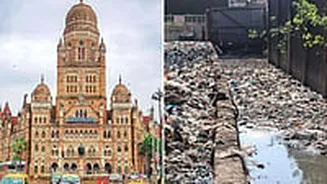
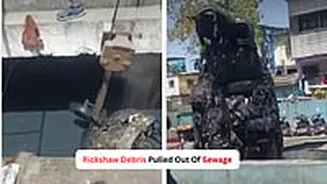
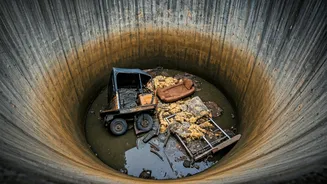
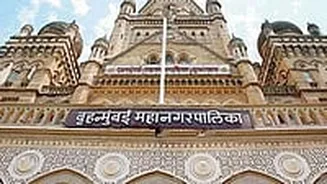
Among the most startling finds was the skeletal remains of an auto-rickshaw, painstakingly removed from a Sakinaka drain in Andheri East with the assistance of a crane. This wasn't an isolated incident; similar large debris, including sofas, mattresses, and beds, along with heavy electronic appliances and general scrap, were recovered from various other drainage systems throughout the city. The Brihanmumbai Municipal Corporation (BMC) is undertaking these extensive clean-up operations to ensure unobstructed water flow, a critical step in mitigating the severe waterlogging that often plagues Mumbai during the heavy monsoon downpours. As of Tuesday, the BMC reported that approximately 77 percent of the city's drain desilting work had been successfully completed, demonstrating a significant push towards monsoon readiness.
Monsoon Emergency Framework
In parallel with the drain clearance, Mumbai's development authority, the Mumbai Metropolitan Region Development Authority (MMRDA), has rolled out a comprehensive, multi-layered monsoon preparedness and emergency response strategy for all its ongoing metro and infrastructure developments. This proactive framework mandates that all contractors involved in metro and engineering projects must submit detailed Site-Specific Monsoon Preparedness Plans (SMPP) promptly. These plans are required to meticulously outline provisions for dewatering, slope stabilization, waterproofing measures, paramount labor safety protocols, maintaining an inventory of emergency supplies, and implementing flood-risk mitigation strategies. Crucially, these emergency response protocols are to be directly linked to the MMRDA's central Emergency Control Room. Contractors have also been instructed to clear any construction debris, undertake repairs to damaged drains and footpaths, reinforce structures against potential high winds, and rigorously test all electrical systems to prevent any monsoon-induced hazards. Furthermore, the MMRDA has directed contractors and consultants to halt high-risk construction activities, such as girder launching, during periods of severe weather warnings issued by the India Meteorological Department (IMD) or the municipality. They must also ensure that any labor camps situated in flood-prone areas are relocated to safer locations well before the peak monsoon season begins. A dedicated 24x7 disaster control room will be operational from May 25th to October 15th to address any complaints or emergencies.
Monsoon Arrival Forecast
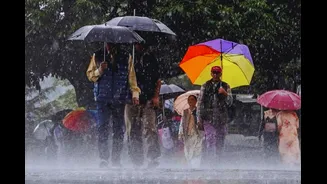
Weather analysts are predicting Mumbai's monsoon onset for around June 5th this year, potentially marking a return to a more typical timing after last year's unusually early arrival on May 26th, which was the earliest in 75 years. The India Meteorological Department (IMD) has indicated that the southwest monsoon is likely to reach Kerala approximately on May 26th, with a potential variation of up to four days either before or after this date. The IMD has also reported that the monsoon's advance has already covered most parts of the southeast Arabian Sea and extended into some areas of the Kanyakumari region, signifying progress towards the mainland. This forecast underscores the urgency of the ongoing preparations across the city, from drain cleaning to the implementation of robust emergency response systems by infrastructure authorities.